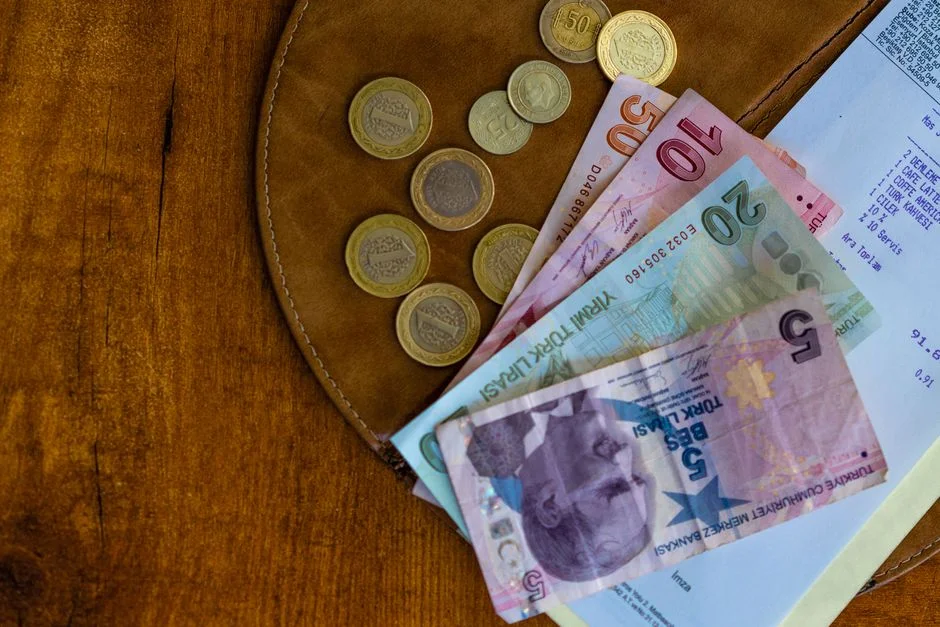
The emerging market carry trade has surged back into favor, with investors aggressively positioning for higher yields in Latin America and Africa. This shift marks a decisive turn for capital flows that had stagnated amid global uncertainty. The Brazilian real and South African rand have emerged as the primary beneficiaries of this renewed appetite. Traders are betting that these currencies will continue to outperform as central banks maintain firm monetary policies. The move signals a broader confidence in emerging economies despite lingering global headwinds.
Carry Trade Mechanics Drive Capital Flows
The carry trade is a financial strategy where investors borrow in a currency with a low interest rate and invest in a currency with a higher interest rate. The profit comes from the difference, or spread, between the two rates. This strategy thrives when global risk sentiment is stable and interest rate differentials are wide. Emerging markets often offer these attractive spreads compared to developed economies like Japan or the Eurozone. When the spread widens, capital floods in, boosting the local currency and lowering borrowing costs for local firms.
Currently, the Federal Reserve’s rate path and the European Central Bank’s cautious stance have created ideal conditions for this trade. Investors are seeking yields that outpace inflation in the US and Europe. The Brazilian real offers a compelling yield due to the Central Bank of Brazil’s aggressive hiking cycle. Similarly, the South African rand benefits from the Reserve Bank of South Africa’s relatively high benchmark rate. These factors make both currencies highly attractive for short-term capital allocation.
Market analysts observe that this rebound is not just a fleeting trend but a structural shift in how capital is allocated. The return of the carry trade suggests that investors are becoming more comfortable with emerging market volatility. This comfort level is driven by improving economic fundamentals in key economies. It also reflects a belief that global growth will remain resilient enough to support higher yields in the periphery.
Brazilian Real Leads the Charge
Brazil has become the poster child for the current carry trade resurgence. The Central Bank of Brazil has raised interest rates to combat persistent inflation and stabilize the currency. The benchmark Selic rate has climbed significantly, offering a premium over the US Federal Funds Rate. This differential attracts foreign capital seeking immediate returns. The inflow of dollars strengthens the real, which in turn helps to anchor inflation expectations.
The Brazilian economy has shown remarkable resilience despite global slowdowns. Domestic consumption remains robust, supported by social programs and a low unemployment rate. This internal strength provides a buffer against external shocks. Investors view Brazil as a safe haven within the emerging market bloc. The country’s large domestic market and diverse export base add to its appeal.
Monetary Policy and Fiscal Discipline
The success of the carry trade in Brazil hinges on the Central Bank’s ability to maintain high rates without stifling growth. The bank has signaled a steady hand, preferring gradual adjustments over sudden shocks. This predictability is crucial for foreign investors who value stability. Additionally, the government’s efforts to rein in fiscal spending have improved the country’s creditworthiness. The combination of monetary and fiscal discipline creates a favorable environment for the real.
However, risks remain. Political uncertainty can quickly erode investor confidence. Any slip in fiscal targets could lead to a sudden outflow of capital. Investors are closely watching the government’s budget execution and the Central Bank’s inflation reports. These indicators will determine whether the carry trade remains sustainable in the long term.
South African Rand Gains Momentum


South Africa is another key player in the emerging market carry trade. The Reserve Bank of South Africa has maintained a relatively high interest rate to control inflation and support the rand. The currency has appreciated against the dollar, reflecting positive market sentiment. This strength is driven by improved commodity prices and stable political developments. Investors are increasingly viewing the rand as a high-yield asset with manageable risks.
The South African economy faces unique challenges, including energy shortages and infrastructure bottlenecks. However, recent reforms and policy adjustments have begun to address these issues. The government’s focus on attracting foreign direct investment is paying off. Companies are setting up operations in key sectors like mining and technology. This influx of capital supports the rand and boosts economic growth.
Commodity prices play a significant role in the rand’s performance. South Africa is a major exporter of gold, platinum, and coal. When global commodity prices rise, the rand tends to strengthen. This correlation makes the currency an attractive hedge against inflation. Investors are leveraging this relationship to enhance their returns in the carry trade.
Global Context Shapes Emerging Market Performance
The performance of emerging markets is heavily influenced by global economic conditions. The US Federal Reserve’s monetary policy is the primary driver of capital flows. When the Fed raises rates, dollars tend to flow back to the US, putting pressure on emerging market currencies. Conversely, when the Fed pauses or cuts rates, capital flows into emerging markets in search of higher yields. This dynamic is currently favoring emerging markets.
European economic stability also plays a role. The Eurozone’s recovery or stagnation affects investor risk appetite. A strong European economy encourages investors to take more risks, benefiting emerging markets. A weak European economy leads to risk aversion, causing capital to flee to safe-haven assets. Currently, the European outlook is cautiously optimistic, supporting the carry trade.
Geopolitical tensions add another layer of complexity. Conflicts in the Middle East and Eastern Europe can disrupt supply chains and energy prices. These disruptions can impact emerging markets differently, depending on their export profiles. Investors must carefully assess these geopolitical risks when allocating capital. The ability to navigate these uncertainties is a key skill for successful carry traders.
Key Risks to Monitor
Despite the positive trends, several risks could derail the carry trade. A sudden spike in global inflation could force central banks to raise rates more aggressively. This would widen the yield spread but also increase the cost of borrowing for emerging markets. If inflation becomes sticky, the Federal Reserve might keep rates higher for longer, attracting capital back to the US.
Political instability in key emerging markets is another major risk. Elections, policy shifts, and social unrest can quickly change investor sentiment. For example, any unexpected political developments in Brazil or South Africa could trigger a sell-off. Investors need to stay alert to political news and policy announcements.
Commodity price volatility also poses a threat. A sudden drop in oil or metal prices can reduce export revenues for commodity-heavy emerging markets. This can lead to current account deficits and currency depreciation. The carry trade relies on stable or rising commodity prices to maintain its edge. Any significant downturn in the commodity markets could weaken the real and the rand.
What to Watch Next
Investors should closely monitor upcoming central bank meetings in Brazil and South Africa. The decisions made by the Central Bank of Brazil and the Reserve Bank of South Africa will signal the future path of interest rates. Any deviation from expectations could trigger immediate market reactions. These meetings are critical for understanding the sustainability of the carry trade.
Economic data releases will also be key. Inflation reports, GDP growth figures, and employment data will provide insights into the health of these economies. Strong data will support the case for higher rates and a stronger currency. Weak data might prompt central banks to ease policy, reducing the yield advantage. Traders need to digest this data quickly to adjust their positions.
Global geopolitical developments will continue to influence market sentiment. Any escalation in international tensions could lead to risk-off behavior, causing capital to flow out of emerging markets. Investors must remain flexible and ready to react to changing global conditions. The carry trade is dynamic and requires constant vigilance to maximize returns and minimize risks.
See Also
- Matt Olson Shatters MLB's Millennial Iron Man Record
- Western Cape Women Clear Invasive Species to Restore Water Systems
These disruptions can impact emerging markets differently, depending on their export profiles. Key Risks to Monitor Despite the positive trends, several risks could derail the carry trade.
What is the latest news about carry trade rebounds as real and rand lead emerging market surge?
Why does this matter for economy-business?
What are the key facts about carry trade rebounds as real and rand lead emerging market surge?