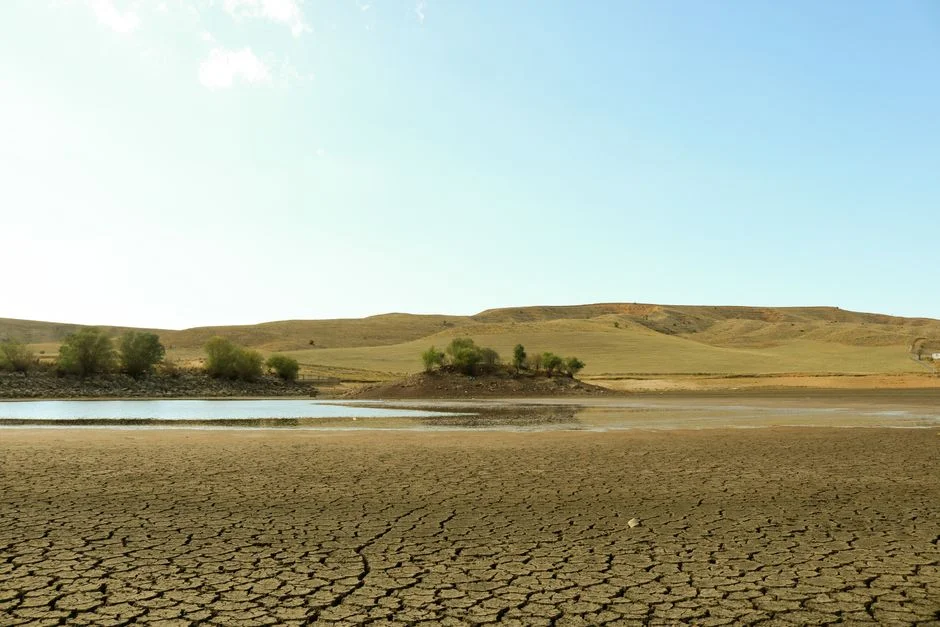
SAB, a South African environmental organisation, has highlighted the efforts of Western Cape women in clearing invasive plant species to restore local water systems. The initiative, launched in 2023, has seen over 500 women trained and deployed across the region to remove non-native vegetation that threatens water flow and biodiversity. The work is part of a broader campaign to address the region’s ongoing water scarcity issues, which have been exacerbated by climate change and mismanagement.
Women at the Forefront of Environmental Restoration
The Western Cape Women’s Environmental Initiative, supported by SAB and the Department of Water and Sanitation, has focused on the removal of invasive plants such as acacia and eucalyptus, which consume large amounts of water and reduce the availability of clean water for communities. The project has been implemented in key areas including the Swartkops River and the Boland region, where water levels have dropped by 20% over the past decade.

Participants in the programme, many of whom come from low-income communities, are paid a daily wage of R250 (approximately $14) for their work. The initiative not only addresses environmental concerns but also provides a source of income and skills development for women who may otherwise face limited economic opportunities.
Impact on Local Communities and Ecosystems
Experts say the removal of invasive species has already led to measurable improvements in water flow and quality. In the Swartkops River, for example, water levels have risen by 8% in the past year, according to a report by the South African National Biodiversity Institute. The project has also contributed to the recovery of native plant species, which are vital for maintaining local ecosystems and supporting wildlife.
“This is more than just an environmental project—it’s a social empowerment programme,” said Nomvula Mkhize, a project coordinator with SAB. “These women are not only restoring water systems but also building resilience in their communities.”
Challenges and Future Plans

Despite the progress, the initiative faces several challenges, including funding shortages and the need for ongoing monitoring. The Department of Water and Sanitation has pledged an additional R10 million for the project in 2024, but activists argue that more support is needed to scale the programme nationwide.
“We need to replicate this model in other regions facing water stress,” said Thandiwe Mbeki, a representative from the Western Cape Women’s Council. “This is a sustainable solution that benefits both people and the environment.”
Local and National Collaboration
The success of the Western Cape Women’s Environmental Initiative has sparked interest from other provinces, with the Eastern Cape and KwaZulu-Natal considering similar programmes. The South African government has also announced plans to integrate community-led environmental projects into its national water management strategy, which is set to be finalised by the end of 2024.
Local leaders in the Western Cape have praised the initiative, noting that it aligns with the region’s goal of becoming a climate-resilient area. “This is a model we can expand,” said Councillor David van der Merwe of the Cape Town Metropolitan Municipality. “It shows that grassroots action can have a real impact.”
Looking Ahead: Expanding the Model
As the project moves into its second year, the focus will shift to long-term sustainability and community engagement. SAB and its partners plan to establish training centres in several towns across the Western Cape to ensure that the skills and knowledge gained by the women are passed on to future generations.
By 2025, the initiative aims to train over 1,000 women and restore water systems in 10 additional regions. The success of this programme could serve as a blueprint for similar efforts across South Africa, where water scarcity remains a pressing issue for millions of people.
See Also
- Top 10 PLR Websites Revealed — Which One You Should Join in 2022
- Brazil's Interna Launches Emergency Measures for Severe Summer
See AlsoTop 10 PLR Websites Revealed — Which One You Should Join in 2022Brazil's Interna Launches Emergency Measures for Severe Summer “It shows that grassroots action can have a real impact.” Looking Ahead: Expanding the Model As the project moves into its second year, the focus will shift to long-term sustainability and community engagement.