The Reserve Bank of South Africa announced a surprise interest rate increase on Thursday, marking the first hike in three years. The central bank raised the rate by 25 basis points to 6.25%, a move aimed at curbing rising inflation and stabilising the economy.
Reasons Behind the Rate Increase
Inflation rates in South Africa have been climbing, with the latest figures showing a year-on-year increase of 6.9% in August, well above the bank's target range of 3% to 6%. The Reserve Bank's decision to raise interest rates comes in response to these mounting inflationary pressures, which have been exacerbated by rising global energy prices and supply chain disruptions.
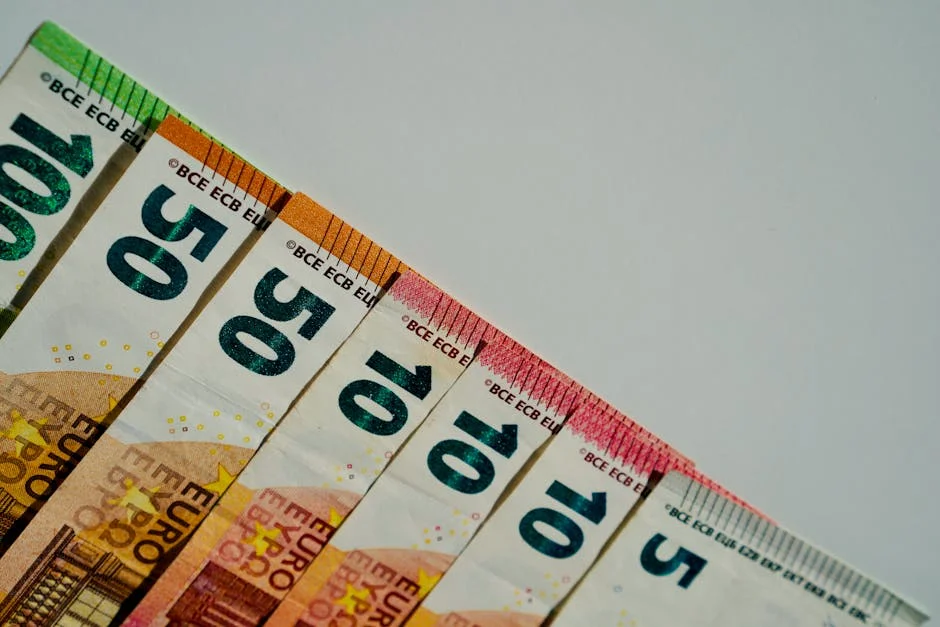
Reserve Bank Governor Lesetja Kganyago stated that the increase is designed to anchor inflation expectations and support the domestic currency. He emphasised that the bank is committed to its mandate of price stability, which is critical for fostering economic growth.
Impact on Borrowing and Consumer Spending
The increase in interest rates will directly affect loan borrowers across the country. Individuals with variable-rate loans, including home mortgages, will see their monthly repayments rise. This could lead to decreased consumer spending, as households allocate more of their budgets to debt servicing.
Analysts predict that the rate hike may dampen economic recovery efforts, which are already fragile following disruptions caused by the COVID-19 pandemic. The South African economy contracted by 7% in 2020 and is still facing challenges such as high unemployment, which currently stands at 34%.
Market Reactions and Future Projections


Following the announcement, the South African rand appreciated against the US dollar, reflecting increased investor confidence in the country's monetary policy. According to analysts, further hikes may be on the horizon if inflation continues to surpass expectations.
Kganyago indicated that the Reserve Bank would closely monitor economic indicators and adjust the monetary policy accordingly. The central bank's next meeting is scheduled for November, where further decisions regarding interest rates will be made based on economic conditions.
Global Context and Influence
This decision comes amid a global trend of central banks adjusting interest rates to combat inflation. In the United States, the Federal Reserve has also signalled potential rate hikes as inflation rises to levels not seen in decades. South Africa's rate decision is being watched closely by international investors, as it may influence capital flows into emerging markets.
Comparatively, countries like Brazil and Russia have already implemented aggressive rate increases in an effort to tackle soaring inflation. As economies worldwide continue to grapple with similar challenges, the Reserve Bank's actions reflect broader monetary policy strategies aimed at stabilising inflation.
What Comes Next?
As the Reserve Bank navigates these economic challenges, attention will be on upcoming data releases regarding inflation and economic growth. The next inflation report is due in October, which will provide insights into whether the recent rate hike is having the desired effect.
Economic analysts will be keenly observing if the Reserve Bank will pursue additional hikes in the coming months or if it will adopt a wait-and-see approach amid ongoing global uncertainties.
See Also
- Hollywood Unveils Marilyn Monroe Statue on Her 100th Birthday
- Volendam Faces Willem II in Crucial Match on May 23
According to analysts, further hikes may be on the horizon if inflation continues to surpass expectations.Kganyago indicated that the Reserve Bank would closely monitor economic indicators and adjust the monetary policy accordingly. The central bank's next meeting is scheduled for November, where further decisions regarding interest rates will be made based on economic conditions.Global Context and InfluenceThis decision comes amid a global trend of central banks adjusting interest rates to combat inflation.
What is the latest news about reserve bank raises interest rates for first time in three years?
Why does this matter for agriculture-food?
What are the key facts about reserve bank raises interest rates for first time in three years?