Tehran has formally assured global markets that the Strait of Hormuz will remain open for commercial traffic following the United States’ decision to pause its latest military operation in the Persian Gulf. This diplomatic maneuver marks a temporary de-escalation of tensions that have threatened to choke off nearly a fifth of the world’s daily oil supply. The announcement comes as Washington and Tehran attempt to stabilize a region where military miscalculation could quickly spiral into a broader conflict.
Diplomatic De-escalation in the Persian Gulf
The Islamic Revolutionary Guard Corps (IRGC) issued a statement confirming that Iranian naval forces would ensure safe passage for merchant vessels through the narrow waterway. This pledge directly addresses fears that Iranian gunboats and submarines might target ships from nations not formally allied with the United States. The IRGC emphasized that the pause in US military activity allowed for a controlled environment to manage maritime traffic.
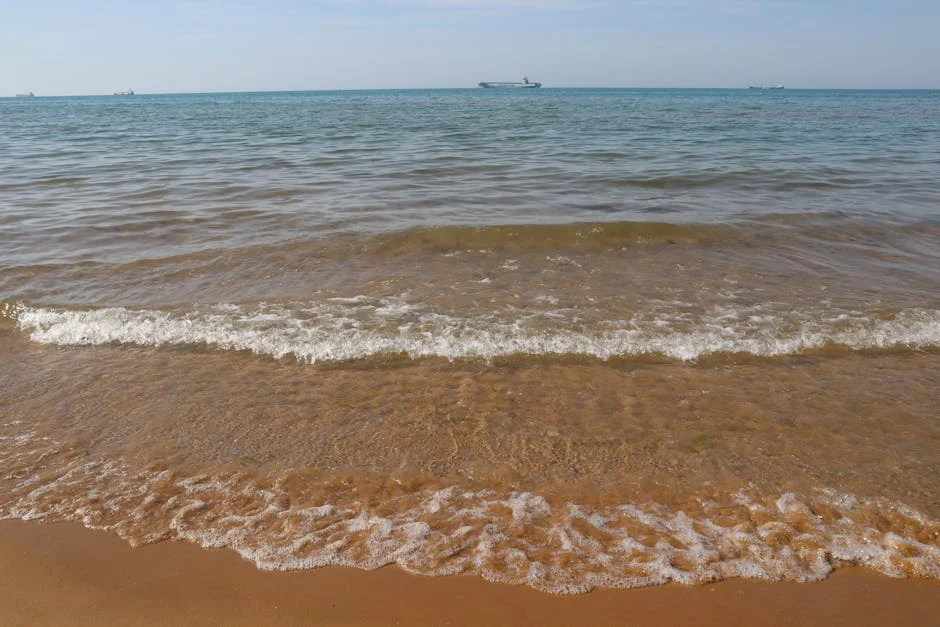
Washington’s decision to halt its operation was not made lightly. US officials indicated that the pause was intended to give diplomatic channels a chance to work before committing to further kinetic action. This strategic retreat suggests that the United States is weighing the economic costs of a prolonged standoff against its geopolitical objectives in the region. The move signals a preference for managed tension over outright confrontation.
The Economic Stakes of the Strait
The Strait of Hormuz is the world’s most critical oil chokepoint, with approximately 21 million barrels of crude oil passing through it every day. Any disruption to this flow sends immediate shockwaves through global energy markets, driving up prices for gasoline, heating oil, and jet fuel. Investors reacted swiftly to the news, with Brent crude prices stabilizing after weeks of volatile swings.
For major importing nations like China, India, and Japan, the stability of the Strait is not just a logistical concern but an economic imperative. A prolonged closure could force these countries to divert shipping routes around the Cape of Good Hope, adding weeks to delivery times and increasing freight costs. The financial impact extends beyond oil, affecting liquefied natural gas (LNG) shipments that are crucial for energy security in Europe and Asia.
Market Reactions and Investor Sentiment
Financial analysts have noted that the market’s reaction to the US pause was one of cautious relief rather than jubilation. Traders are aware that the underlying causes of the tension remain unresolved, meaning the risk premium on oil prices is unlikely to disappear completely. The volatility index for energy stocks remained elevated, reflecting lingering uncertainty about the duration of the truce.
Major shipping insurance providers have also adjusted their risk assessments for vessels transiting the Strait. War risk premiums, which had spiked in the weeks leading up to the US operation, have begun to recede. This adjustment lowers the cost of insurance for tankers, which is a significant operational expense for global oil majors. However, insurers warn that the situation remains fluid and subject to rapid change based on diplomatic developments.
Historical Context of US-Iran Tensions

The current standoff is the latest chapter in a decades-long rivalry between the United States and Iran. Relations have fluctuated between cold war-style diplomacy and near-open conflict since the 1979 Islamic Revolution. The strategic importance of the Gulf has made it a recurring battleground for influence, with both powers using naval power, proxy forces, and economic sanctions to assert dominance.
Previous crises in the Strait have often been triggered by incidents involving US naval vessels or Iranian drones. The shooting down of the US drone in 2019 and the subsequent killing of General Qasem Soleimani by US forces were pivotal moments that brought the two nations to the brink of war. These historical precedents suggest that while both sides desire stability, the margin for error remains slim in a region where military assets are densely packed.
The Role of the Islamic Revolutionary Guard Corps
The IRGC plays a central role in Iran’s military strategy in the Gulf, often acting as the primary instrument of Tehran’s power projection. As a quasi-autonomous branch of the Iranian armed forces, the IRGC controls a diverse array of naval assets, including fast-attack gunboats, frigates, and submarine fleets. Its ability to mobilize quickly allows Iran to exert disproportionate influence over the Strait relative to the size of its navy.
Within Iran, the IRGC has grown increasingly powerful, wielding significant economic and political influence beyond its military duties. This internal strength gives the IRGC considerable leverage in negotiations with the United States, as any concession made in Tehran must often be approved by the Guard’s leadership. The IRGC’s statement on the Strait reflects this dual role, serving as both a military assurance and a political message to domestic and international audiences.
Implications for Regional Alliances
The pause in US operations has also had ripple effects across the broader Middle East, influencing the strategies of regional allies and rivals. Gulf Cooperation Council (GCC) countries, particularly Saudi Arabia and the United Arab Emirates, have welcomed the de-escalation but remain vigilant. These nations rely heavily on the Strait for their own oil exports and fear that a prolonged conflict could drag them into a wider regional war.
Other regional powers, such as Turkey and Egypt, have used the diplomatic opening to push for a more inclusive approach to Gulf security. They argue that relying solely on US naval power is insufficient and that a broader coalition is needed to ensure long-term stability. This perspective highlights the growing desire among Middle Eastern nations to have greater agency in managing their own security, reducing their dependence on Washington.
What to Watch in the Coming Weeks
The immediate future of the Strait’s stability hinges on the outcome of ongoing diplomatic talks between Washington and Tehran. Both sides are likely to use the pause in military operations to test each other’s commitments and gauge the level of public support for continued engagement. The next few weeks will be critical in determining whether this truce is a temporary reprieve or the beginning of a more sustained period of calm.
Readers should monitor official statements from the US Department of State and the Iranian Foreign Ministry for updates on the status of negotiations. Additionally, tracking oil price movements and shipping insurance rates will provide real-time indicators of market confidence in the stability of the Strait. Any sudden change in these metrics could signal a shift in the underlying dynamics of the US-Iran standoff, offering early warnings of potential renewed tensions.
See Also
- Cederberg Municipality Secures R14.9 Million Eskom Debt Write-Off Amid Financial Crisis
- Kaizer Chiefs Pursue Fernando Da Cruz as New Head Coach After Disappointing Season
The strategic importance of the Gulf has made it a recurring battleground for influence, with both powers using naval power, proxy forces, and economic sanctions to assert dominance. These historical precedents suggest that while both sides desire stability, the margin for error remains slim in a region where military assets are densely packed.