Australian Prime Minister Anthony Albanese has firmly rejected the idea of imposing a gas export tax on existing contracts, labelling the proposal a 'populist' campaign. His comments came during a recent press conference in Canberra, where he addressed concerns about the economic implications of such a tax.
Albanese's Stance on Gas Export Tax
Anthony Albanese's decision to rule out a gas export tax on existing contracts comes amid pressure from various advocacy groups and political opponents. These groups argue that the tax could potentially generate substantial revenue for the government, especially given the current global demand for energy resources.
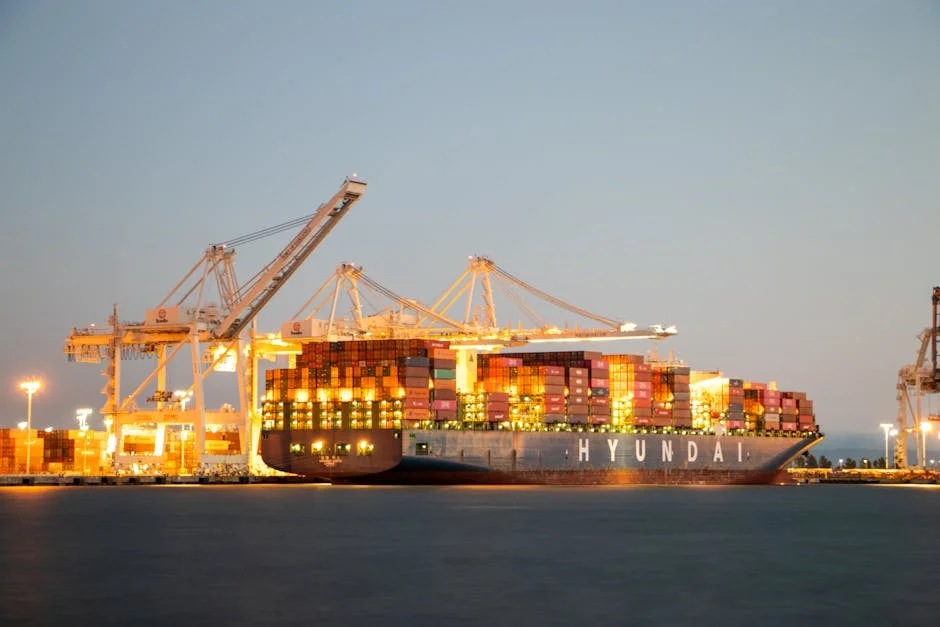
Albanese described the push for the tax as driven by populism rather than sound economic reasoning. His administration is focused on maintaining stability in the energy sector while honouring international agreements with Asian partners. "We need to be careful about jeopardizing our international reputation," Albanese noted.
Economic Implications and Industry Reactions
The proposed gas export tax was seen by some as a way to capitalise on soaring gas prices, which have increased by over 20% in the past year due to global supply disruptions. However, industry leaders warned that such a tax could deter investment in Australia's energy sector, potentially harming long-term economic growth.
Michael Smith, CEO of the Australian Petroleum Production & Exploration Association, praised Albanese's decision, stating, "This move ensures that Australia remains a reliable supplier to our Asian markets, which is crucial for maintaining economic stability."
Asia's Energy Needs and Australia's Role


Australia is a major exporter of liquefied natural gas (LNG), especially to countries in Asia, such as Japan and South Korea. These nations rely on Australian gas to meet their energy demands, and any disruption could have significant repercussions on their economies.
Albanese emphasized that maintaining strong trade relationships with Asian countries is a priority. The potential introduction of a gas export tax could lead to strained relations and push these countries to seek alternative suppliers, thereby impacting Australia's export market share.
Looking Ahead: Energy Policies and Economic Strategies
As Australia navigates its role in the global energy landscape, the focus remains on balancing domestic economic interests with international commitments. The Albanese government is expected to continue engaging with stakeholders to explore alternative economic strategies that do not compromise existing contracts.
In the coming months, the Australian government is likely to outline new policies aimed at enhancing energy security and sustainability. Observers will be watching closely to see how these policies might affect Australia's position in the global energy market and its economic ties with the United States and other key partners.
See Also
- Russia and China Gain Leverage as US Struggles in Iran Conflict
- Delhi CM Rekha Gupta Unveils Major Infrastructure Plans Ahead of Budget Presentation
However, industry leaders warned that such a tax could deter investment in Australia's energy sector, potentially harming long-term economic growth.Michael Smith, CEO of the Australian Petroleum Production & Exploration Association, praised Albanese's decision, stating, "This move ensures that Australia remains a reliable supplier to our Asian markets, which is crucial for maintaining economic stability."Asia's Energy Needs and Australia's RoleAustralia is a major exporter of liquefied natural gas (LNG), especially to countries in Asia, such as Japan and South Korea. These nations rely on Australian gas to meet their energy demands, and any disruption could have significant repercussions on their economies.Albanese emphasized that maintaining strong trade relationships with Asian countries is a priority.