The second phase of voting in West Bengal's state elections was marked by reports of electronic voting machine (EVM) glitches and allegations of voter intimidation by political operatives. The disruptions have raised concerns about the fairness of the electoral process in the state, a key battleground in Indian politics.
EVM Glitches and Allegations of Intimidation
Reports of EVM malfunctions emerged from several polling stations, causing delays and frustrations among voters. In some areas, polling had to be temporarily halted to address these technical issues. The Election Commission of India has acknowledged these problems and is investigating their cause.
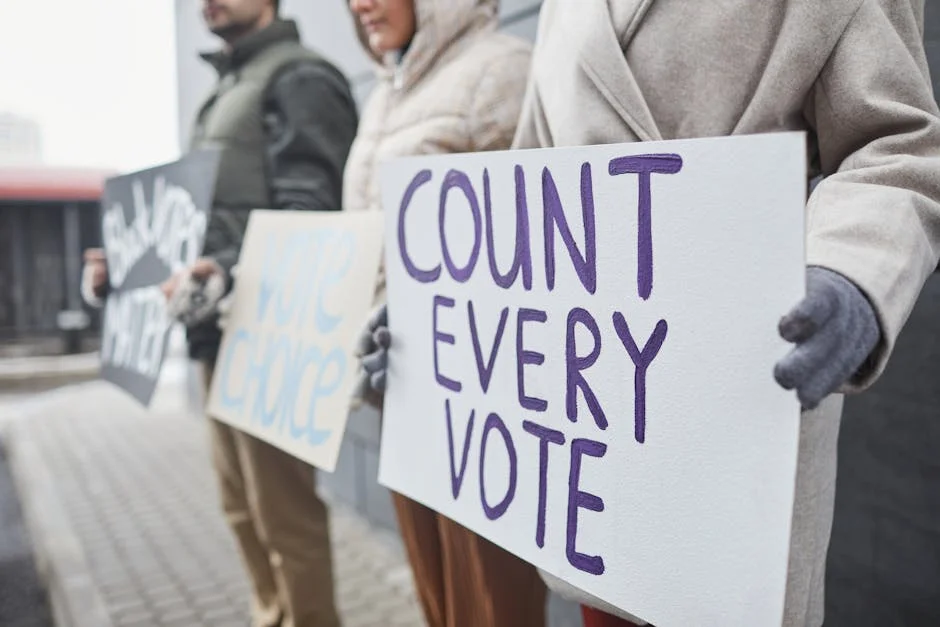
In addition to technical glitches, the Trinamool Congress (TMC) has accused its rivals, including the Bharatiya Janata Party (BJP), of deploying 'goons' to intimidate voters. These allegations have been strongly denied by the BJP, which claims that the accusations are a tactic to distract from TMC's own electoral challenges.
Political Stakes in West Bengal
West Bengal is a critical region for both TMC and BJP, with high stakes in the ongoing electoral battle. The state has been a TMC stronghold under Chief Minister Mamata Banerjee, but the BJP, led by Prime Minister Narendra Modi, is making significant inroads. The outcome of this election could reshape the political landscape of the state and affect national politics in India.
Prime Minister Modi has been actively campaigning in West Bengal, emphasizing development and governance as key issues. The BJP aims to capitalize on perceived anti-incumbency sentiments against the TMC and expand its influence in the eastern region of India.
Consequences of the Voting Disruptions

The voting disruptions in West Bengal have prompted calls from various political leaders for increased vigilance and transparency in the electoral process. The integrity of the elections is crucial for maintaining public confidence in the democratic system.
The Election Commission has been urged to take stringent measures to prevent further technical issues and ensure a free and fair election. Observers are closely watching how these challenges will impact voter turnout and the final results.
Looking Ahead in West Bengal's Elections
As West Bengal heads into subsequent phases of voting, all eyes will be on the Election Commission's efforts to address technical and security concerns. The next phases will be critical in determining the political future of the state.
The final phase of voting is scheduled for April 29, 2023, with results expected to be announced shortly thereafter. This timeline will be crucial for both TMC and BJP as they strategize their final campaign efforts.
See Also
- Nadine De Klerk Bags R3.77 Million in The Hundred Auction Windfall - Proteas Women Star Shines Bright
- Pinto Luz Confirms TAP's Positive Image — Here's Why It Matters
Observers are closely watching how these challenges will impact voter turnout and the final results.Looking Ahead in West Bengal's ElectionsAs West Bengal heads into subsequent phases of voting, all eyes will be on the Election Commission's efforts to address technical and security concerns. The outcome of this election could reshape the political landscape of the state and affect national politics in India.Prime Minister Modi has been actively campaigning in West Bengal, emphasizing development and governance as key issues.