In a recent development, TAP Air Portugal has been excluded from the oversight of the Tribunal de Contas, Portugal's Court of Auditors, sparking concerns over transparency and accountability. This decision comes at a time when a general strike is being considered, adding to the tension in the country's labor market.
TAP Airlines and the Tribunal de Contas
TAP Air Portugal, the nation's flagship carrier, has recently been exempted from the audit requirements typically enforced by the Tribunal de Contas. The Tribunal is a crucial body responsible for overseeing public spending and ensuring financial transparency. By not being subjected to this scrutiny, questions arise about the airline's financial management and its implications for Portuguese taxpayers.
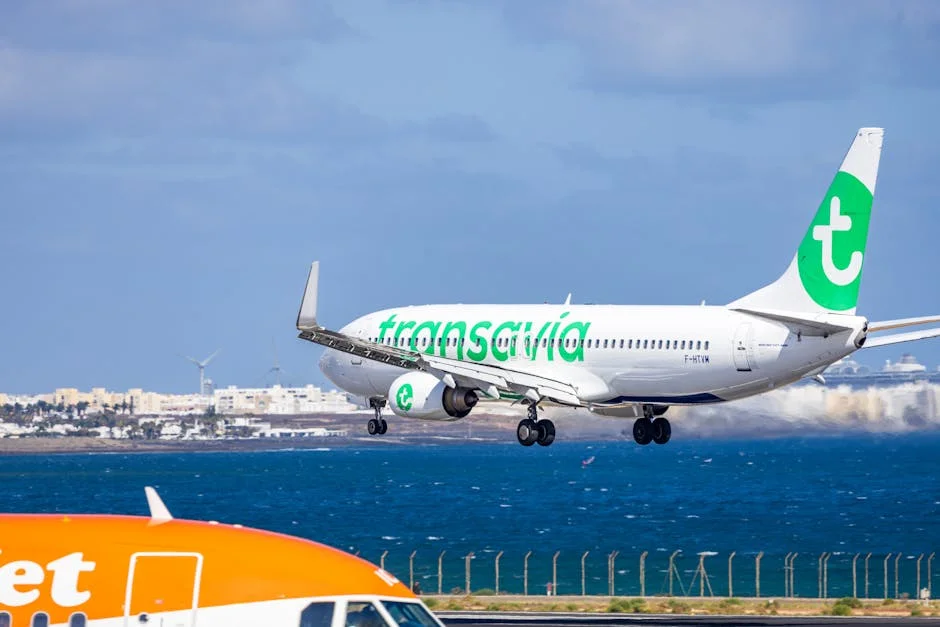
The Tribunal de Contas plays a significant role in Portugal's governance by auditing public institutions. Its oversight ensures that taxpayer money is used efficiently and legally. The exemption granted to TAP Airlines could set a precedent for other state-owned enterprises, potentially weakening financial governance in the country.
Impact of the Potential General Strike
Amidst the backdrop of TAP's exemption, a general strike is being planned by labor unions. If it proceeds, this would be the first nationwide strike in several years, aimed at protesting austerity measures and demanding better working conditions. The unions argue that the government's economic policies are undermining workers' rights and livelihoods.
The proposed strike highlights the growing dissatisfaction among public sector employees, who have been hit hard by budget cuts and wage freezes. A strike could disrupt services across Portugal, affecting transportation, health care, and public administration.
Government and Public Reaction
The Portuguese government, led by Prime Minister António Costa, has faced criticism for its handling of the TAP situation and its broader economic policies. Supporters of the government's decision argue that exempting TAP from the Tribunal's audit is necessary for the airline's financial recovery, as it navigates post-pandemic market challenges.
Conversely, critics argue that this exemption could lead to mismanagement of public funds and reduced accountability. The potential strike further complicates the political landscape, as the government faces pressure to balance fiscal responsibility with social welfare.
Looking Ahead: What to Watch


As tensions build, all eyes are on the response from the Portuguese government and the unions. A deadline for the strike decision is imminent, with union leaders expected to announce their final plans within the next week. Observers will also be watching how the government's exemption of TAP is implemented and whether further exemptions might follow for other entities.
The situation in Portugal serves as a crucial test of public accountability and labor rights, with potential implications for the country's economic stability and governance practices.
See Also
- Entre General Update Sparks Uncertainty in Global Markets
- Crowds Gather for Asha Bhosle's Funeral in Mumbai
The unions argue that the government's economic policies are undermining workers' rights and livelihoods.The proposed strike highlights the growing dissatisfaction among public sector employees, who have been hit hard by budget cuts and wage freezes. A strike could disrupt services across Portugal, affecting transportation, health care, and public administration.Government and Public ReactionThe Portuguese government, led by Prime Minister António Costa, has faced criticism for its handling of the TAP situation and its broader economic policies.
What is the latest news about portugals tap airlines exempt from audit as general strike looms?
Why does this matter for economy-business?
What are the key facts about portugals tap airlines exempt from audit as general strike looms?