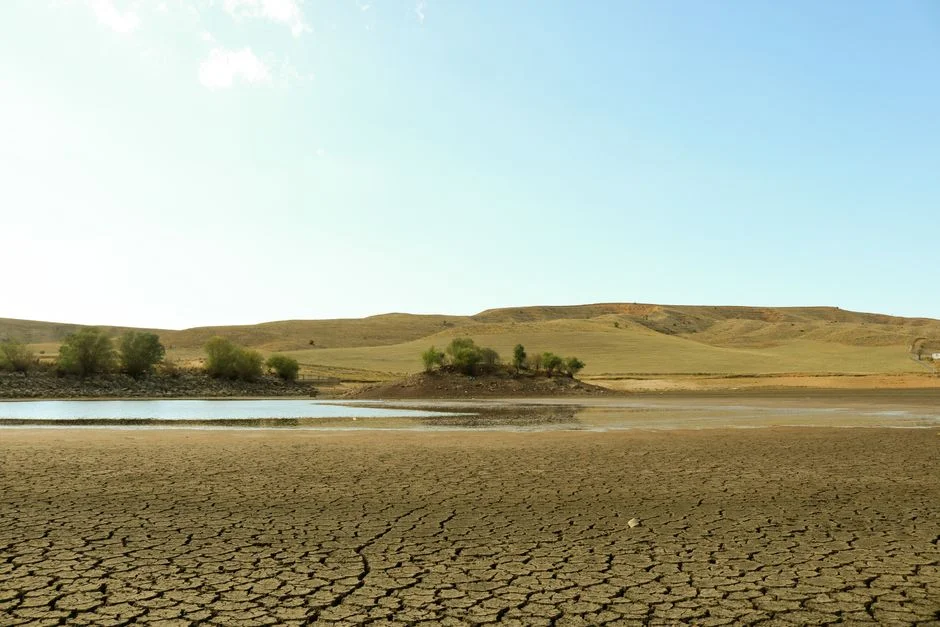
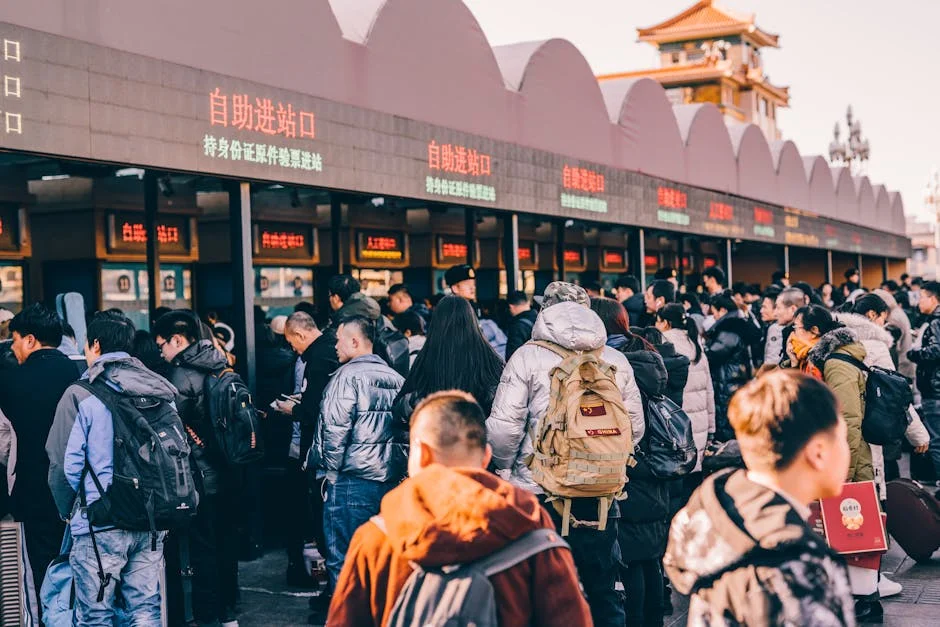
African leaders convened in Baku, Azerbaijan, on Tuesday, to address the pressing challenges posed by climate change and urbanisation during the World Urban Forum. This gathering, which runs from May 22 to May 26, 2023, is pivotal for shaping sustainable urban policies that directly impact the continent's future.
Key Discussions on Urbanisation
During the forum, leaders stressed that urbanisation is accelerating across Africa, with 60% of the continent's population projected to live in cities by 2050. This shift presents both opportunities and significant challenges, particularly in terms of infrastructure, housing, and environmental sustainability. African Union Commissioner for Infrastructure and Energy Amani Abou-Zeid emphasised the need for integrated urban planning to manage this rapid growth effectively.

Notably, the World Urban Forum serves as a critical platform for city leaders, policymakers, and experts to share ideas and strategies for sustainable urban development. As cities expand, the forum aims to address issues such as transportation, waste management, and energy efficiency, which are vital for reducing the ecological footprint of urban centres.
Climate Change Impacts on Urban Areas
The impacts of climate change, including extreme weather events and rising sea levels, were central to the discussions. According to the Intergovernmental Panel on Climate Change (IPCC), African cities are particularly vulnerable, with the potential for increased flooding and heatwaves threatening urban livelihoods. The Mayor of Nairobi, Johnson Sakaja, voiced concerns about the urgent need for resilient infrastructure to withstand such challenges.
Leaders called for a collaborative approach to climate adaptation, urging nations to share resources and knowledge to build climate-resilient cities. The partnership between African nations and global stakeholders was underscored as essential for mobilising funding and technology transfers to combat climate impacts effectively.
Azerbaijan's Role in Global Climate Dialogue


Azerbaijan, hosting the forum, is leveraging its position as a bridge between Europe and Asia to advocate for sustainable urban practices. The country has made strides in renewable energy, with plans to generate 30% of its electricity from renewable sources by 2030. Azerbaijan's Minister of Ecology and Natural Resources Mukhtar Babayev stated that the nation is committed to sharing best practices in environmental management with African countries.
Importance of Sustainable Development Goals
The World Urban Forum aligns with the United Nations' Sustainable Development Goals (SDGs), particularly Goal 11, which aims to make cities inclusive, safe, resilient, and sustainable. This framework has become increasingly relevant as countries seek to address urban challenges through a lens of sustainable development. Conference sessions are expected to result in actionable commitments towards enhancing urban resilience across African cities.
Global Implications
The discussions at the World Urban Forum are not only pertinent to Africa but also resonate globally, including the United States, where urbanisation and climate change pose significant challenges. Cooperation and knowledge exchange between nations could lead to innovations that benefit urban environments worldwide. Observers believe that initiatives arising from the forum may spur collaborative projects and policies that address similar challenges faced by urban areas in the U.S.
Looking Ahead: Next Steps
As the World Urban Forum continues, participants will focus on drafting resolutions that aim to enhance urban resilience and sustainability in Africa. The outcomes of this forum will be pivotal in shaping policies that will be discussed at the upcoming United Nations Climate Change Conference in late 2023. Stakeholders worldwide should monitor the forum's developments closely, as they could influence global urban strategies for years to come.
See Also
- BBC Exposes Ugandan Dog Scams Targeting US Donors
- Michael Eneramo Dies During Match — Super Eagles Mourn Star
Azerbaijan's Minister of Ecology and Natural Resources Mukhtar Babayev stated that the nation is committed to sharing best practices in environmental management with African countries.Importance of Sustainable Development GoalsThe World Urban Forum aligns with the United Nations' Sustainable Development Goals (SDGs), particularly Goal 11, which aims to make cities inclusive, safe, resilient, and sustainable. Conference sessions are expected to result in actionable commitments towards enhancing urban resilience across African cities.Global ImplicationsThe discussions at the World Urban Forum are not only pertinent to Africa but also resonate globally, including the United States, where urbanisation and climate change pose significant challenges.