Kemi Seba, a prominent figure in Benin’s political landscape, and four co-accused were remanded in custody following a court appearance in Pretoria, South Africa, on Tuesday. The charges, which include corruption and fraud, mark a significant moment in the ongoing legal battles between Benin and South Africa over alleged financial misconduct. The case has drawn attention due to its implications for regional diplomacy and cross-border legal cooperation.
Legal Proceedings Begin in Pretoria
The Pretoria High Court heard arguments from both the South African and Beninese authorities, with the prosecution alleging that Seba and his associates misappropriated funds linked to a 2020 infrastructure deal. The case centers around a $12 million contract for road development in Benin, which South African officials claim was improperly managed. Seba, a former minister in Benin’s government, faces multiple counts of fraud, money laundering, and breach of trust.
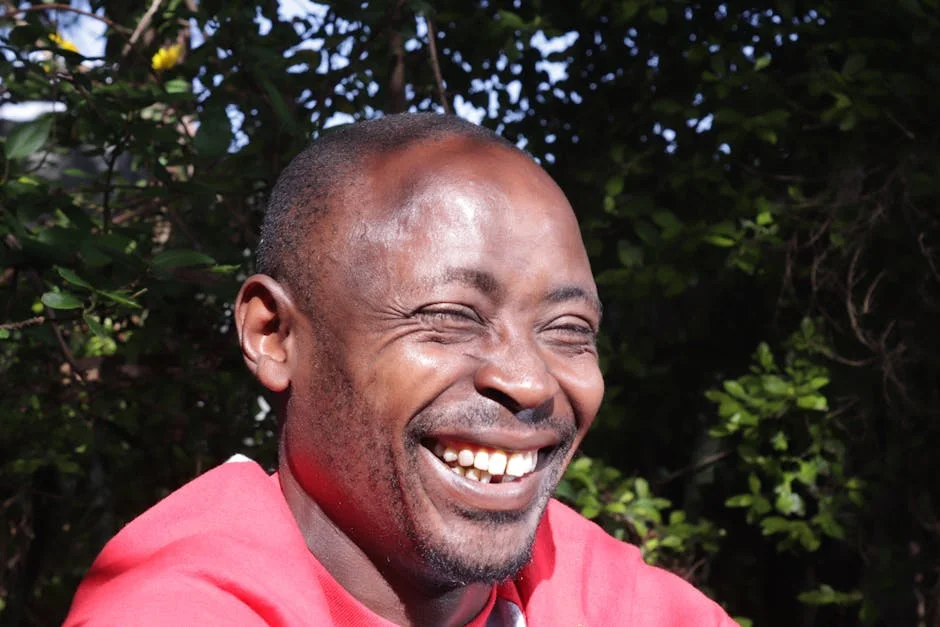
During the hearing, Judge Linda Botha ordered the defendants to remain in custody while the court reviews evidence, including bank records and witness testimonies. The court also set a hearing date for late October, where further legal arguments are expected. Seba’s legal team has not yet commented publicly, but they have previously denied the allegations, calling them politically motivated.
Regional Tensions and Diplomatic Concerns
The case has reignited tensions between Benin and South Africa, which have historically maintained a cooperative relationship. In 2022, Benin’s government requested the extradition of Seba, but South Africa’s Department of Justice initially declined, citing jurisdictional complexities. The recent court decision, however, signals a shift in South Africa’s approach to handling such cases, potentially setting a precedent for future cross-border legal actions.
Regional analysts suggest the case could have broader implications for West African countries seeking to hold officials accountable for financial mismanagement. Dr. Adebayo Adeyemi, a political analyst based in Lagos, noted that “this case highlights the challenges of enforcing accountability in a region where political influence often overlaps with economic interests.”
Impact on Benin’s Political Landscape

Seba’s arrest has sent shockwaves through Benin’s political scene, where he was once a rising star in the ruling party. His alleged involvement in the infrastructure scandal has raised questions about the integrity of high-level governance in the country. Benin’s President Patrice Talon has called for a “transparent and impartial investigation,” though critics argue the government has been slow to act on similar allegations in the past.
The case has also drawn attention from international observers, including the African Union and the World Bank, which have expressed concern over the potential impact on regional investment and development. A World Bank report from 2023 warned that corruption could undermine progress in West Africa, with Benin among the countries most at risk.
Legal Precedent and Future Implications
The Pretoria court’s decision to remand Seba in custody could set a legal precedent for how South Africa handles similar cases involving foreign nationals. Legal experts suggest that the court’s approach may influence future extradition requests and cross-border legal cooperation in the region.
Additionally, the case has prompted discussions about the need for stronger legal frameworks to address financial crimes. South Africa’s National Prosecuting Authority has indicated it may review its procedures for handling cases involving foreign officials, particularly in light of the growing number of such requests in recent years.
What Comes Next?
The next major step in the case is the scheduled hearing on October 28, where the court will determine whether the evidence presented is sufficient to proceed to trial. If the case moves forward, Seba and his co-accused could face lengthy prison sentences if convicted. Meanwhile, Benin’s government has pledged to continue its diplomatic efforts to secure a swift resolution.
For now, the case remains a focal point for regional politics, legal reform, and international scrutiny. As the legal process unfolds, observers will be watching closely to see how South Africa balances its role as a regional power with its commitment to due process and legal cooperation.
See Also
- DR Congo Bans Public Gatherings As Ebola Deaths Surge in Goma
- South African Jewish Board of Deputies Challenges Israeli Minister Itamar Ben Gvir's Actions