Eskom, South Africa's embattled state power utility, has activated a two-pronged strategy to address years of financial mismanagement. The plan combines a forensic cleanup of internal irregularities with an aggressive push to recover R110 billion in outstanding municipal debts. The announcement marks one of the most consequential moments in the utility's turbulent history, setting the stage for potential legal action against defaulting councils.
The Anatomy of the Double Gambit
Eskom officials confirmed the strategy during a briefing in Johannesburg on Tuesday. The first pillar involves commissioning forensic investigators to examine how municipal debt accumulated unchecked for years. The second pillar centres on a coordinated debt recovery operation targeting municipalities across all nine provinces. The utility has given defaulting councils a defined window to settle accounts or face legal consequences.
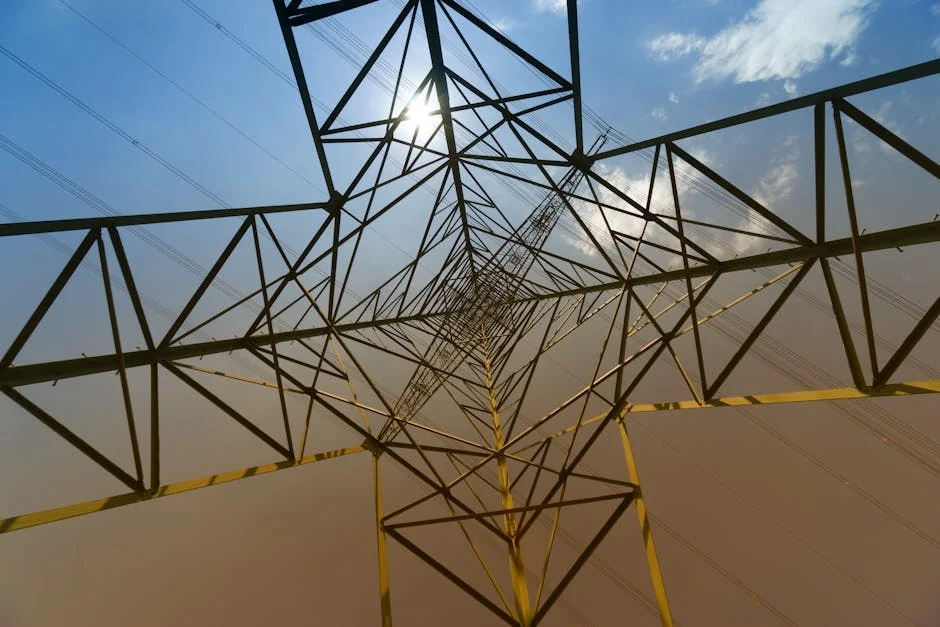
The R110 billion figure represents accumulated arrears from municipalities that have failed to pay for electricity supplied by Eskom. Many of these same councils have been accused of using the unpaid electricity bills to fund operational shortfalls rather than remitting payments to the utility. Eskom's board has approved the dual-track approach after months of internal deliberation.
How the Debt Built Up
For years, South African municipalities have operated under severe financial strain. Several councils across Gauteng, KwaZulu-Natal, and the Eastern Cape have relied on electricity sales as a revenue stream, collecting payments from residents and businesses but failing to pass those funds on to Eskom. The practice has created a structural hole in Eskom's finances that has widened with each fiscal year.
Auditors first flagged the mounting arrears during routine financial reviews. Internal documents reviewed by local media outlets indicated that some municipalities had been withholding payments for as long as 18 months. Eskom's accumulated debt now threatens the utility's ability to maintain and upgrade aging power infrastructure across the national grid.
Who Owes What


The debt is not evenly distributed. A handful of municipalities account for the bulk of the arrears. The City of Johannesburg and the eThekwini Metropolitan Municipality have been identified among the largest defaulters, though Eskom has declined to publish a full list pending the outcome of the forensic review. Several smaller rural municipalities in the Northern Cape and Limpopo also carry significant unpaid balances relative to their rateable revenue bases.
Eskom's acting chief executive told reporters the utility would pursue every available legal remedy to recover the funds. The organisation has engaged external law firms to handle debt collection proceedings in jurisdictions where municipalities have resisted repayment agreements. Creditor remedies available under South African law include attachment of municipal assets and judicial garnishee orders against municipal bank accounts.
The Forensic Cleanup Dimension
The forensic component of the Double Gambit is designed to uncover how the debt crisis was allowed to persist unchecked. Investigators will examine procurement records, payment processing systems, and interactions between municipal officials and Eskom account managers. The review aims to identify cases where officials may have deliberately diverted electricity revenues for unauthorised purposes.
Anti-corruption advocates have long argued that Eskom's municipal debt problem reflects deeper governance failures within local government structures. The Public Protector's office has previously investigated complaints related to municipal electricity irregularities, though enforcement has been inconsistent. Eskom's new forensic mandate represents a departure from the utility's previous approach, which relied largely on negotiation rather than investigation.
Legal Framework and Municipal Pushback
Municipalities have limited legal avenues to resist Eskom's debt recovery efforts. The National Energy Regulator of South Africa sets electricity tariffs, and municipalities are obligated to remit payments for bulk supply. Several councils have nonetheless indicated they will contest the recovery actions, arguing that tariff structures have made full compliance financially impossible for cash-strapped administrations.
The South African Local Government Association has called for a government-backed bailout mechanism to address the debt, warning that aggressive recovery could disrupt essential services in low-income areas. Eskom has rejected this approach, insisting that outstanding debts must be settled regardless of the circumstances that created them. The standoff sets up a potential confrontation between the utility and municipal authorities that could require ministerial intervention.
Implications for South Africa's Energy Sector
Eskom supplies approximately 95 percent of South Africa's electricity generation capacity. The utility's financial health directly affects the country's ability to maintain grid stability and pursue expansion plans. Chronic revenue shortfalls caused by municipal debt have constrained Eskom's maintenance budget, contributing to the frequent load-shedding events that have plagued the national grid since 2007.
Industry analysts say the Double Gambit could mark a turning point if successful. Recovery of the R110 billion would provide Eskom with resources to address infrastructure backlogs and reduce dependence on emergency maintenance. The forensic review, if it produces actionable evidence, could also deter future non-compliance by demonstrating that irregular electricity revenue practices carry consequences.
What Happens Next
Eskom has set a 90-day deadline for municipalities to enter repayment negotiations before legal proceedings commence. Forensic investigators are expected to deliver preliminary findings within six months. The utility has indicated it will publish a full list of defaulting municipalities once the investigation phase concludes. The outcome of the Double Gambit will be closely watched by investors, credit rating agencies, and the South African public, all of whom have a stake in the utility's long-term viability.
See Also
- Zakithi Nene Triggers Botswana's Surge to the Top of Men's Sprinting
- African Media Challenges Western Narratives — Affects US Policy