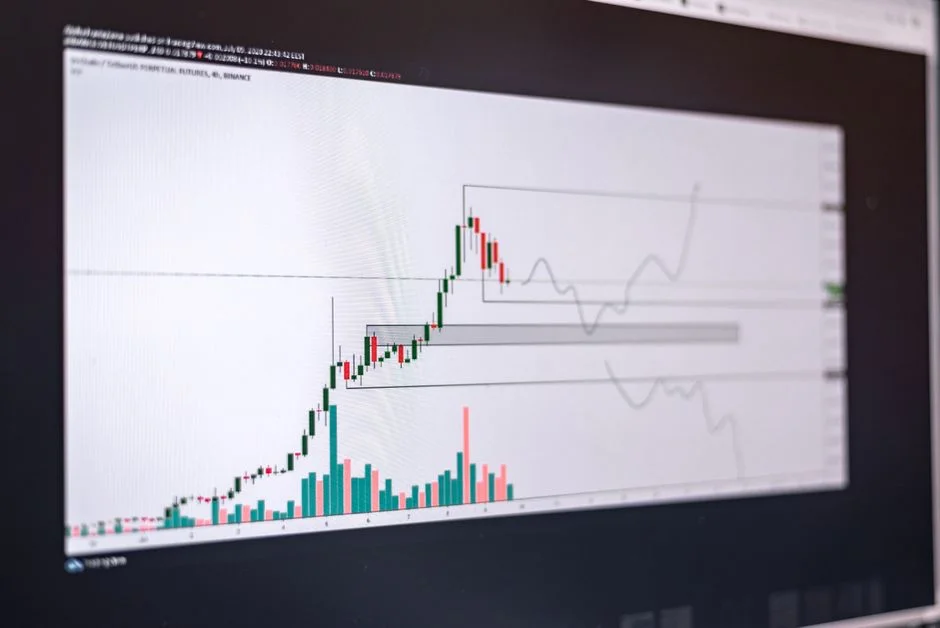
Global financial institutions are bracing for a transformative shift as Anthropic unveils its latest artificial intelligence model, Mythos. This development has sparked intense debate among executives and analysts regarding the stability and predictability required in high-stakes financial markets. The introduction of Mythos represents more than a software update; it signals a potential restructuring of how banks process data, manage risk, and interact with clients.
The Launch of Mythos and Its Core Capabilities
Anthropic, a leading artificial intelligence safety research lab based in San Francisco, has officially released Mythos. This new model is designed to handle complex reasoning tasks with greater nuance and accuracy than its predecessors. Financial leaders are closely monitoring these capabilities, recognizing that even minor improvements in AI reasoning can lead to massive efficiencies in trading algorithms and credit scoring systems. The model’s architecture focuses on reducing "hallucinations," a common issue where AI generates plausible but incorrect information, which is particularly dangerous in finance.
The timing of the release is strategic. As competition intensifies between major tech giants, Anthropic aims to distinguish itself through reliability and interpretability. This approach resonates with conservative financial institutions that have been cautious about adopting black-box AI solutions. By prioritizing transparency in how decisions are made, Mythos offers a compelling proposition for banks wary of regulatory scrutiny. However, the sheer power of the model also raises questions about dependency and potential systemic risks.
Why the Banking Sector Is Nervous
Financial institutions are inherently risk-averse, and the introduction of a powerful new AI model introduces variables that are not entirely understood. Executives at major banks in New York and London are concerned about the integration speed versus the maturity of the technology. If banks rush to adopt Mythos to stay competitive, they risk exposing their portfolios to algorithmic errors that could cascade through the market. The fear is not just about individual mistakes but about correlated failures where multiple banks rely on the same underlying AI logic.
Regulatory bodies are also watching closely. The European Union’s AI Act and emerging frameworks in the United States require financial firms to demonstrate that their AI systems are fair, transparent, and accountable. Mythos must meet these stringent requirements before it can be fully deployed in critical decision-making processes. Banks are worried that the model’s complexity might outpace current regulatory understanding, creating a compliance gray area that could result in hefty fines or reputational damage. This regulatory uncertainty is a primary driver of the current anxiety among financial leaders.
Integration Challenges and Data Privacy
Beyond regulatory concerns, the practical integration of Mythos into legacy banking systems presents significant technical hurdles. Many banks operate on decades-old infrastructure that was not designed to handle the data throughput and processing power of modern generative AI. Upgrading these systems requires substantial capital expenditure and careful planning to avoid downtime. Data privacy is another critical issue, as financial data is often siloed and highly sensitive. Ensuring that Mythos can process this data without exposing it to leaks or breaches is a top priority for Chief Information Officers.
The human element also plays a crucial role. Bank employees, from tellers to traders, must trust the AI’s recommendations. If Mythos produces outputs that seem intuitive but are difficult to explain, staff may hesitate to act on them, reducing the model’s effectiveness. Training programs and change management strategies will be essential to bridge this gap. Financial institutions recognize that technology is only as good as the people who use it, and fostering trust in Mythos will take time and consistent performance.
The Competitive Landscape and Market Implications


Anthropic’s move with Mythos intensifies the rivalry with other AI developers like OpenAI and Google DeepMind. Banks are evaluating which technology partner offers the best balance of innovation and stability. This competitive dynamic is driving up costs for AI licenses and integration services. Smaller regional banks may find themselves at a disadvantage if they cannot afford to invest in the latest AI tools, potentially leading to further consolidation in the banking sector. The race to adopt Mythos could reshape the competitive hierarchy, favoring those who can integrate AI swiftly and effectively.
Investors are also taking note. The performance of AI-integrated banks will likely become a key metric for stock valuation. Companies that successfully leverage Mythos to reduce costs or enhance customer experience may see their market capitalization surge. Conversely, early adopters that face technical glitches or regulatory backlash could see their shares tumble. This volatility creates an interesting investment landscape, where the AI strategy of a bank becomes as important as its balance sheet. Analysts are closely tracking initial adoption rates and early performance metrics to gauge the model’s real-world impact.
Looking Ahead: What to Watch
The financial sector’s reaction to Mythos will unfold over the next six to twelve months. Key indicators to watch include the number of major banks announcing pilot programs with Anthropic, regulatory rulings on AI transparency in finance, and early performance data from initial deployments. Investors should monitor quarterly earnings reports for mentions of AI-driven efficiency gains or integration costs. As the dust settles on the initial launch, the true test will be whether Mythos can deliver consistent, reliable performance under the pressure of live financial markets. The coming months will reveal whether this AI model is a game-changer or a cautious step forward for the banking industry.
See Also
- Stirling Boss Maybury Put on Gardening Leave Amid Spfl Crisis
- Jorge Martín Raises Concerns Over Physical Condition in Brazil