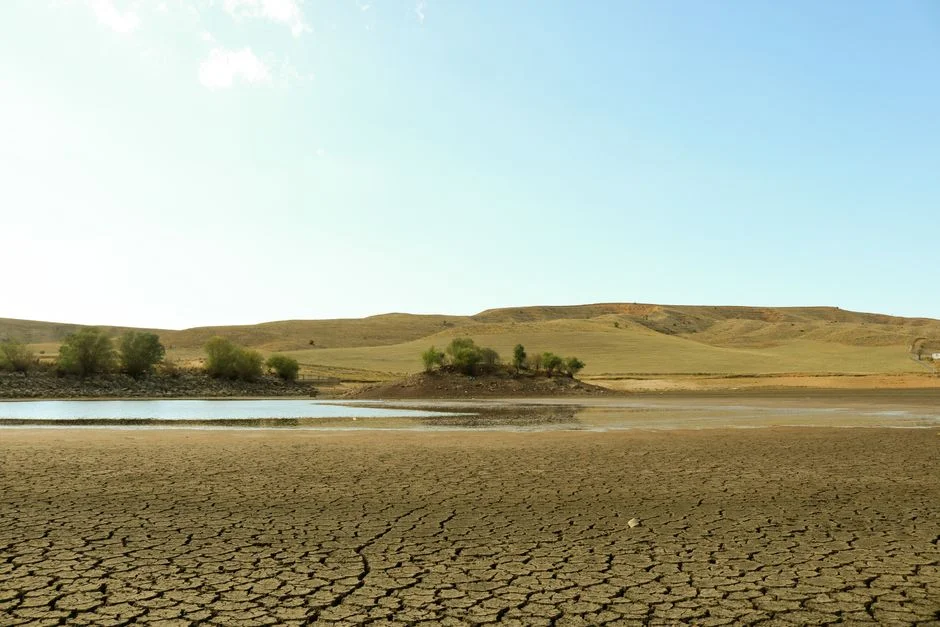
The war in Iran has triggered a severe fertiliser shortage in developing nations, disrupting agricultural supply chains and raising fears of food insecurity. The crisis, which began on Monday, has been exacerbated by the closure of key shipping routes through the Hormuz Strait, a critical artery for global trade. According to the United Nations Food and Agriculture Organisation (FAO), fertiliser prices have surged by 35% in the past month, with countries in Africa and South Asia hit hardest.
Fertiliser Shortages Disrupt Global Agriculture
The fertiliser crisis is most acute in countries reliant on imports, particularly in sub-Saharan Africa. In Nigeria, for example, farmers have reported delays in receiving essential nutrients for crops, leading to concerns over the upcoming planting season. The Nigerian Ministry of Agriculture confirmed that 60% of fertiliser shipments have been delayed due to the war, with some deliveries postponed for over two months.
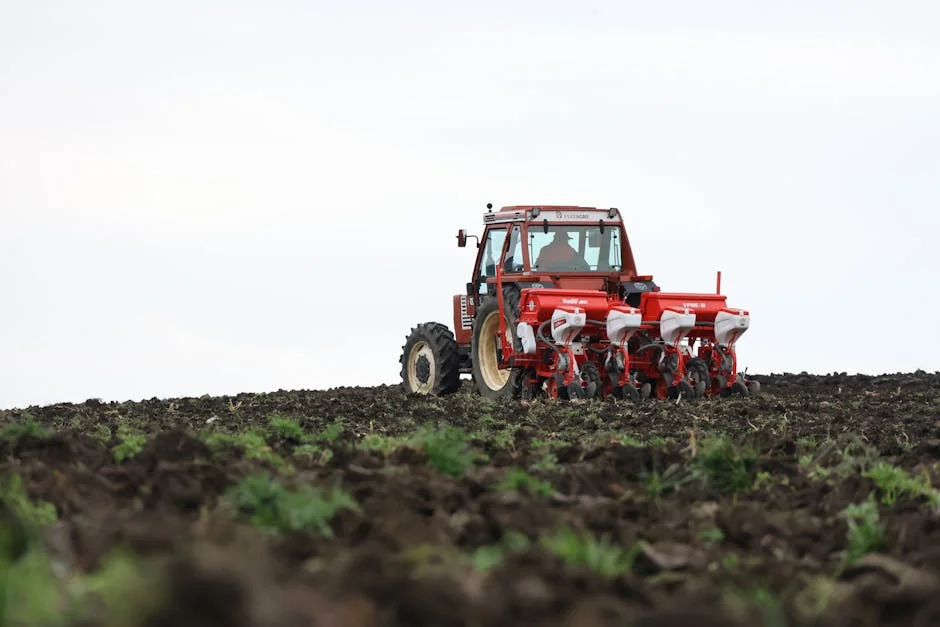
Regional experts warn that the shortage could lead to a 20% drop in food production in the region. "This is not just a logistical issue—it's a matter of survival for millions," said Dr. Amina Musa, an agricultural economist at the University of Lagos. "Without fertiliser, farmers cannot meet the demands of a growing population."
Impact on Global Food Security
The crisis has also sent shockwaves through global food markets. In India, where agriculture is a cornerstone of the economy, the government has announced emergency imports of nitrogen-based fertilisers to prevent a domestic shortage. The Indian government has allocated $1.2 billion to support farmers, but the move has sparked criticism over rising costs for consumers.
Meanwhile, in Kenya, the Kenya National Farmers’ Federation has warned that the fertiliser shortage could lead to a 15% increase in food prices by the end of the year. "Farmers are at a crossroads," said Federation spokesperson Joseph Mwangi. "We either face lower yields or higher prices, and both are bad for the average Kenyan."
Shipping Routes and Geopolitical Tensions

The Hormuz Strait, a narrow waterway between Iran and the United Arab Emirates, has become a flashpoint in the conflict. The area, which sees over 20% of global oil trade, has seen increased naval activity, with both sides accusing each other of disrupting shipping. On Monday, the International Maritime Organisation (IMO) reported that 12 vessels were delayed in the region due to heightened security measures.
The closure of shipping lanes has also affected the flow of other essential goods. In a statement, the World Trade Organisation (WTO) called for "immediate de-escalation" to prevent further economic disruption. "The global economy is already fragile, and these disruptions could push it into deeper crisis," said WTO Director-General Ngozi Okonjo-Iweala.
Regional Responses and International Pressure
Several countries have taken independent steps to mitigate the crisis. The African Union has launched a regional fertiliser fund, aiming to secure supplies for 10 million farmers across the continent. The initiative, led by the AU’s Agricultural Development Agency, has already secured commitments from South Africa and Egypt.
Internationally, the United States has urged all parties to avoid further escalation. In a statement, the US Department of State said, "We remain deeply concerned about the impact of the conflict on global trade and food security. We call on all nations to prioritise diplomacy and avoid actions that threaten stability."
What Comes Next?
With the war in Iran showing no signs of immediate resolution, the fertiliser crisis is expected to persist for at least the next six months. Agricultural leaders and policymakers are set to meet at the World Food Summit in Geneva next week to discuss long-term solutions. In the meantime, the FAO has warned that the situation could worsen if trade routes remain blocked and global markets remain volatile.
For now, the focus remains on stabilising supply chains and protecting vulnerable populations. As the conflict continues, the world watches closely to see if diplomacy can prevail over escalation.
See Also
- White House Meets with Anthropic Over Mythos Model Concerns
- Mkhwebane Foundation Demands US Investigation into Ramaphosa's Phala Phala Scandal