Armed men stormed a school in Nigeria’s Borno State on Tuesday, dragging more than 50 children from their classrooms in a chaotic raid that has stunned local communities. The abduction includes a mix of primary school students and even toddlers, marking one of the most complex hostage situations in the region this year. Security forces have rushed to the scene, but the sheer number of captives and their varying ages have complicated immediate rescue efforts.
The Raid on the Borno School
The attack occurred in the early morning hours when the children were still settling into their lessons. Witnesses describe a sudden burst of gunfire that sent teachers and students scrambling for cover. Armed gunmen, some wearing military fatigues and others in traditional attire, forced their way into the school compound. They herded the children into waiting vehicles, ensuring minimal resistance from the startled pupils.
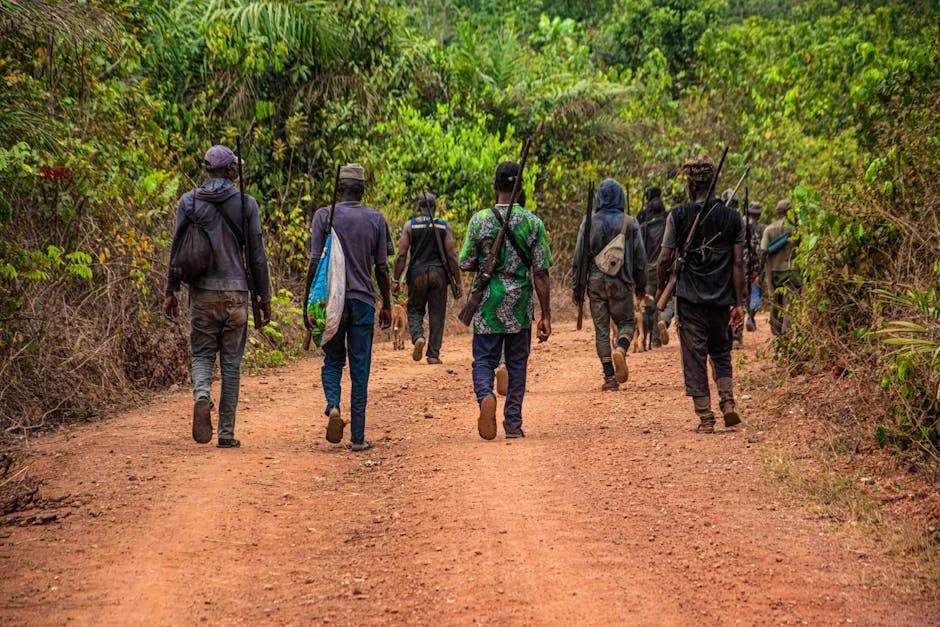
Local police commanders confirmed the incident shortly after the raid. They stated that the perpetrators used at least three pickup trucks to transport the children to an unknown location. The speed of the operation suggests a well-planned assault rather than a spontaneous ambush. Authorities are currently tracking the movement of the vehicles using drone surveillance and local informants.
Why the Inclusion of Toddlers Changes Everything
The presence of toddlers among the hostages adds a layer of urgency and medical complexity to the crisis. Young children require constant feeding, hydration, and sleep, which limits how long they can be held in remote hideouts. This biological reality often forces kidnappers to move quickly or release the youngest captives to preserve their value as bargaining chips.
Medical and Psychological Vulnerabilities
Doctors warn that toddlers are particularly vulnerable to dehydration and shock during high-stress abductions. The lack of familiar caregivers can lead to rapid psychological distress, which may manifest as physical symptoms. Rescue teams are preparing pediatric medical kits and specialized negotiators who can communicate with both the parents and the young children.
This demographic shift in kidnappings reflects a broader trend in the region. Historically, abductors targeted older boys for military recruitment or girls for dowry payments. The inclusion of very young children suggests that the kidnappers are either desperate for immediate ransom money or are using the children as human shields against advancing security forces.
Security Response and Tactical Challenges


Nigerian military units have deployed to the area, establishing a perimeter around the suspected hideout locations. However, the dense terrain of Borno State, characterized by thick forests and rugged hills, makes a swift ground assault difficult. Helicopter support is being utilized to scout the area, but visibility remains a challenge due to the early morning mist.
Commanders are cautious about launching a full-scale attack without clear intelligence on the number of gunmen. A hasty assault could result in gunfire hitting the children, who are likely grouped together in a single room or tent. Intelligence officers are working to intercept phone calls from the kidnappers to pinpoint their exact coordinates.
Local community leaders have been asked to maintain a state of relative silence to avoid alerting the gunmen. This requires careful coordination with nearby villages, where rumors and panic can spread quickly. The security forces are relying on local guides who know the intricate network of footpaths that lead into the bush.
Context of Borno State’s Ongoing Crisis
Borno State has been the epicenter of conflict in Northeast Nigeria for over a decade. The region has suffered heavily from the insurgency led by the Boko Haram group and its splinter faction, the Islamic State West Africa Province (ISWAP). These conflicts have displaced millions of people and disrupted education for generations of children.
Schools in the region have become prime targets for kidnappers. The attackers view schools as symbols of Western influence and easy access to wealthy families willing to pay ransoms. The frequent raids have led to the closure of hundreds of schools, forcing many parents to send their children to boarding schools in neighboring states or even other countries.
The economic impact of these kidnappings is severe. Families often drain their savings to pay ransoms, pushing them into deeper poverty. Local businesses suffer as traders worry about safety on the roads, leading to a slowdown in commerce. The constant state of alertness takes a psychological toll on the entire community, creating a sense of lingering insecurity.
International Reactions and Aid Efforts
International organizations have expressed deep concern over the latest abduction. The United Nations Children’s Fund (UNICEF) has called for the immediate release of the children, highlighting the vulnerability of the youngest hostages. Human Rights Watch has urged the Nigerian government to increase funding for school security in the region.
Donor countries are reviewing their aid packages to ensure that more resources are directed toward educational infrastructure. This includes building fortified schools and training local security personnel. The international community recognizes that without safe schools, the economic recovery of Northeast Nigeria will remain stalled.
Non-governmental organizations are mobilizing to provide psychological support to the families. Counseling services are being set up in nearby towns to help parents cope with the uncertainty. These organizations are also preparing to assist with the reintegration of the children once they are released.
What Happens Next
The next 48 hours are critical for the resolution of this crisis. Security forces aim to gather enough intelligence to launch a precision strike or negotiate a safe release. Families are gathering in temporary camps, awaiting news from the front lines. The government has promised to keep the public updated as more details emerge.
Observers will watch for any communication from the kidnappers. A ransom demand is likely to be presented within the first few days. The speed at which the military can secure the area will determine whether the children are released alive or moved to a more remote location. The outcome of this abduction could influence security strategies for schools across the entire Northeast region.
See Also
- Born on the Road: Sudan's Refugee Crisis Deepens as Foreign Funding Collapses
- Biovac Launches Vaccine Plant in Cape Town to Create 1,500 Jobs
International Reactions and Aid Efforts International organizations have expressed deep concern over the latest abduction. The United Nations Children’s Fund (UNICEF) has called for the immediate release of the children, highlighting the vulnerability of the youngest hostages.
What is the latest news about nigeria 50 schoolchildren kidnapped in borno including toddlers?
Why does this matter for health-medicine?
What are the key facts about nigeria 50 schoolchildren kidnapped in borno including toddlers?