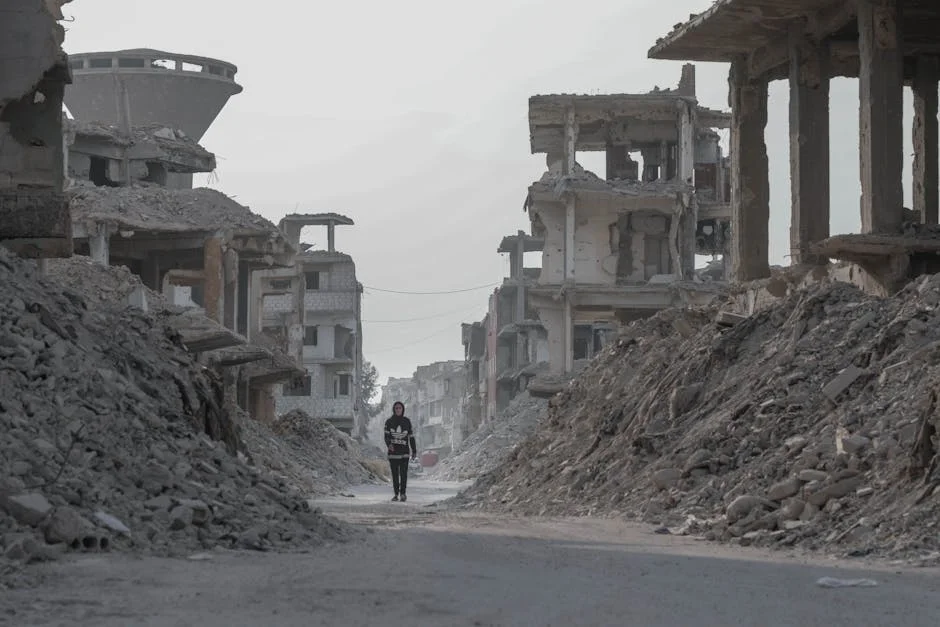
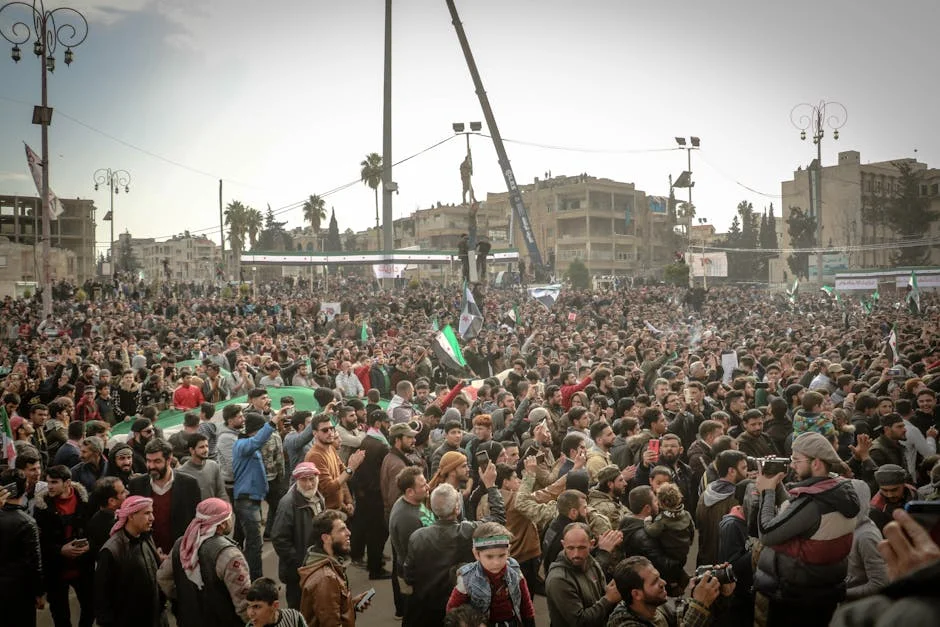
US President Donald Trump has reportedly sought to delay a high-stakes summit with Chinese officials, citing concerns over escalating tensions with Iran and the Israeli-Palestinian conflict. The move comes as Trump's vice presidential pick, J.D. Vance, denied allegations that the administration is using the Iran crisis to create a "wedge" between the US and China. The developments highlight the complex interplay between US foreign policy priorities, regional conflicts, and Beijing's strategic calculations.
Trump's Strategic Pause on China Summit
According to multiple sources, Trump has requested a postponement of the scheduled meeting with Chinese President Xi Jinping, originally set for late October. The decision follows recent escalations in the Middle East, including Israeli military strikes on Iranian targets in Syria and growing fears of a broader regional war. A senior administration official stated the delay aims to "allow time for diplomatic efforts to de-escalate tensions before engaging in high-level talks with China."
The proposed postponement underscores the administration's focus on addressing immediate security threats. However, it has raised questions about the prioritization of US-China relations, which have been strained by trade disputes, technology competition, and geopolitical rivalries. Analysts note that Beijing has long criticized US involvement in the Middle East, viewing it as a distraction from broader global challenges. "China is watching closely to see if the US will shift its attention back to strategic competition," said Dr. Emily Liu, a China scholar at the Brookings Institution.
Vance Denies 'Wedge' Claim Amid Regional Tensions
J.D. Vance, Trump's running mate, dismissed claims that the administration is exploiting the Iran-Israel conflict to weaken ties with China. "We're not trying to create a wedge," Vance told reporters. "Our goal is to ensure stability in the Middle East while maintaining a strong relationship with China. Both are critical to global peace."
The accusation of a "wedge" emerged after Trump's national security advisor suggested that China might benefit from prolonged conflict in the Middle East. Chinese state media quickly seized on the comment, accusing the US of "hypocrisy" and "double standards." A spokesperson for the Chinese foreign ministry stated, "China has consistently advocated for peaceful resolution of regional disputes. We urge the US to focus on its own responsibilities rather than sowing division."
China's Diplomatic Calculus in a Volatile Region

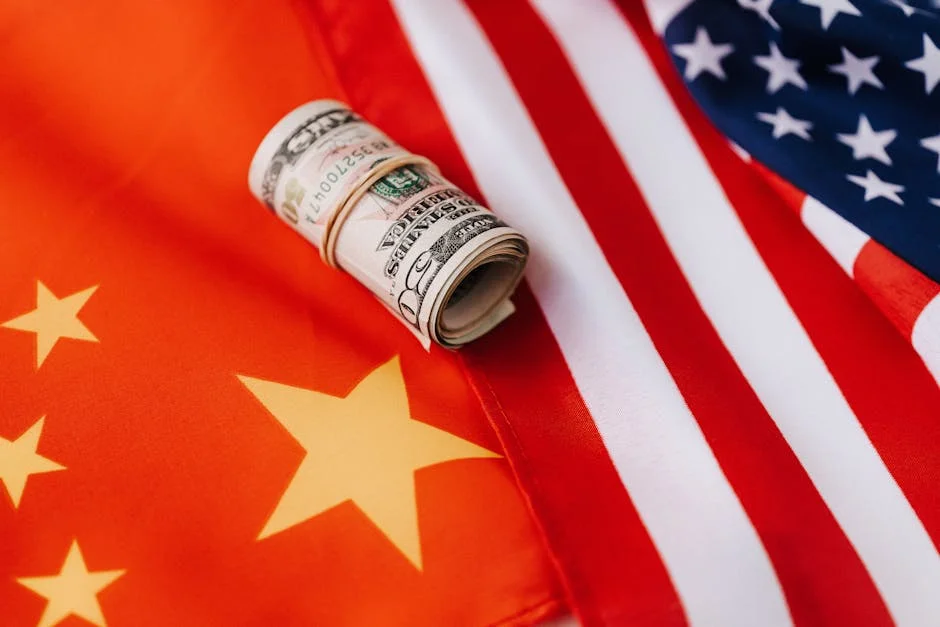
Beijing has maintained a cautious stance on the Iran-Israel conflict, emphasizing non-intervention while deepening economic ties with both sides. China is Iran's largest trading partner and a key investor in its energy sector, while also seeking to strengthen relations with Israel through technology and agricultural cooperation. This balancing act reflects China's broader strategy of avoiding direct confrontation with the US while expanding its influence.
The timing of the summit delay is particularly sensitive. With the US election approaching, Trump's team faces pressure to demonstrate decisive leadership on foreign policy. However, analysts warn that delaying the China talks could embolden Beijing to accelerate its own strategic initiatives. "China will not wait for the US to catch up," said Michael Schuman, a journalist covering Asian affairs. "They're already positioning themselves as a leader in global governance and economic development."
Implications for US-China Relations and Regional Stability
The potential delay risks complicating efforts to address shared challenges, such as climate change, nuclear non-proliferation, and cybersecurity. Experts argue that sustained US-China dialogue is essential to prevent missteps in a rapidly evolving geopolitical landscape. "Avoiding confrontation is not the same as avoiding engagement," said Dr. Thomas Christensen of Princeton University. "The US cannot afford to let short-term crises overshadow long-term strategic interests."
As the situation unfolds, the focus will shift to how Beijing and Washington navigate their competing priorities. For now, the diplomatic dance between the two powers remains a critical factor in shaping global stability. With the Iran-Israel conflict showing no signs of resolution, the stakes for US-China relations have never been higher.
Frequently Asked Questions
What is the latest news about trump seeks to delay china summit as vance denies wedge over iran tensions?
US President Donald Trump has reportedly sought to delay a high-stakes summit with Chinese officials, citing concerns over escalating tensions with Iran and the Israeli-Palestinian conflict.
Why does this matter for politics-governance?
Vance, denied allegations that the administration is using the Iran crisis to create a "wedge" between the US and China.
What are the key facts about trump seeks to delay china summit as vance denies wedge over iran tensions?
Trump's Strategic Pause on China Summit According to multiple sources, Trump has requested a postponement of the scheduled meeting with Chinese President Xi Jinping, originally set for late October.