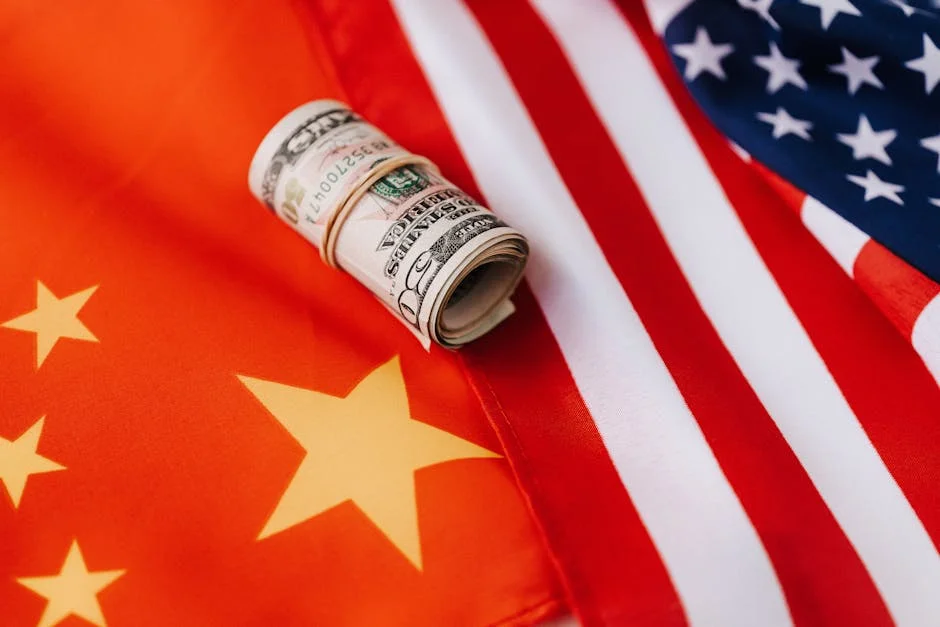
The ongoing conflict between Iran and the United States has boosted China's influence in Asia, creating new opportunities for Chinese businesses and reshaping regional markets.
China Seizes New Opportunities
The tensions in the Middle East have given China an opportunity to strengthen its ties with countries in the region, such as Iran, Iraq, and Saudi Arabia. As the US focuses on its own geopolitical interests, China is stepping up its economic engagement, making significant investments in infrastructure projects and expanding trade deals. This move not only enhances China's influence in the region but also diversifies its economic relationships, reducing reliance on traditional partners like the US and Europe.

Chinese companies are particularly interested in tapping into the vast natural resources of the Middle East, including oil and gas reserves. With the US imposing sanctions on Iran and other Middle Eastern nations, Chinese firms see an opening to secure long-term contracts and establish themselves as key players in the energy sector. This strategic positioning could lead to increased profits for Chinese businesses and a stronger foothold in the global market.
Impact on Asian Markets
The rise of China's influence in the Middle East is likely to have a ripple effect across Asian markets. Countries such as Japan, South Korea, and India may find their economic relationships with the Middle East shifting as China becomes a dominant player. This could result in changes to supply chains, trade routes, and investment flows, potentially leading to a reconfiguration of the Asian economic landscape.
Moreover, the increased competition from China could put pressure on other Asian economies to innovate and diversify their own offerings to remain competitive. This could drive technological advancements and entrepreneurial activity, benefiting both consumers and businesses in the long run.
Investment Perspective


From an investment standpoint, the heightened focus on the Middle East presents both risks and rewards. Investors looking to capitalize on the changing dynamics may seek out opportunities in Chinese companies that are expanding their presence in the region, as well as local businesses in the Middle East that stand to benefit from closer ties with China.
However, the geopolitical uncertainties created by the conflict could also create volatility in financial markets, affecting stock prices and exchange rates. Investors will need to stay attuned to political developments and adjust their portfolios accordingly to navigate potential market fluctuations.
Economic Data and Trends
Economic data from the past year shows that China's trade with the Middle East has been on the rise, with a particular emphasis on energy imports. According to the International Energy Agency, China's demand for crude oil from the Middle East reached record levels in 2020, highlighting the growing importance of the region for China's energy security.
In addition, China's Belt and Road Initiative (BRI) has played a crucial role in fostering economic ties with Middle Eastern countries. The BRI involves infrastructure projects, such as ports, railways, and highways, which help facilitate trade and investment between China and its partners in the region. These projects not only boost economic growth but also enhance China's soft power and influence in the Middle East.
Business Implications
The increased influence of China in the Middle East has significant implications for businesses operating in the region. Companies may need to adapt their strategies to account for the changing landscape, such as forming partnerships with Chinese firms or adjusting their supply chains to include more Chinese suppliers.
Furthermore, the growing importance of the Middle East for China means that businesses in the region may see an increase in demand for their products and services, particularly in sectors such as construction, logistics, and finance. This could lead to job creation and economic growth, benefiting both local and international companies.
Conclusion
The conflict between Iran and the US has created new opportunities for China to expand its influence in the Middle East, with far-reaching effects on Asian markets and global economics. As China continues to deepen its economic ties with the region, it stands to gain from increased access to resources and trade, while other Asian economies may face new challenges and opportunities as they adjust to the changing landscape. Investors and businesses alike will need to keep a close eye on these developments to make informed decisions and capitalize on emerging trends.