Andre Agassi is preparing for a highly anticipated confrontation with a BBC pundit he publicly accused of torturing him during his storied tennis career. The former world number one confirmed he views the upcoming face-to-face encounter as a significant personal priority. The meeting represents an extraordinary moment in sports journalism, pitting one of tennis's most celebrated figures against a broadcaster he singled out for criticism.
The Accusation and Its Background
The precise nature of Agassi's accusations has generated considerable interest among tennis followers and media commentators. During his career, Agassi was known for his sharp tongue and willingness to confront critics directly. The eight-time Grand Slam champion claims the BBC pundit's coverage crossed professional boundaries into personal territory. Sources familiar with the matter indicate the dispute dates back several years, with Agassi making his feelings known through various public forums before escalating his complaints.
Agassi's long-standing feud with members of the sports media established him as one of tennis's most combative figures when facing perceived unfair treatment. The American player's autobiography provided detailed accounts of his difficult relationship with parts of the press corps covering the ATP Tour. His decision to single out this particular BBC commentator suggests the grievance runs deeper than routine media criticism.
The Upcoming Meeting
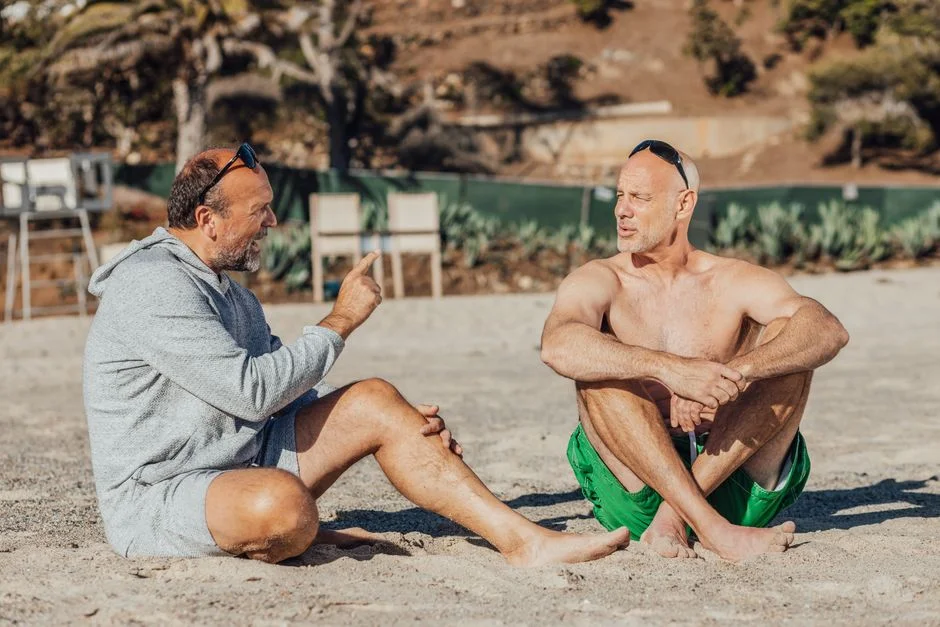
According to those familiar with the arrangements, Agassi has been looking forward to the opportunity to confront the broadcaster directly. The meeting was arranged through mutual contacts and represents an attempt to resolve a long-running dispute outside formal channels. BBC representatives declined to comment on the specific arrangements or the background to the disagreement. The encounter is expected to take place in London in the coming weeks.
Sports media analysts view the meeting as an unusual development in elite sports coverage. Public disputes between athletes and broadcasters rarely progress to direct, private confrontations. The willingness of both parties to engage face-to-face marks a departure from the typical pattern of media exchanges conducted through intermediaries or via social media platforms.
Implications for Sports Broadcasting
The confrontation raises questions about the boundaries between rigorous sports analysis and personal commentary. Broadcasting standards organisations have established guidelines covering the treatment of athletes in coverage, though enforcement mechanisms remain limited. Agassi's specific choice of the word torture to describe his treatment suggests he views the broadcaster's conduct as exceptional in its severity.
Fellow tennis professionals have expressed varied opinions about the impending meeting. Some praise Agassi for taking a direct approach to resolving the dispute, while others question whether a private confrontation serves any constructive purpose. The outcome could influence how future disputes between athletes and media personalities are handled across the industry.
Agassi's Complicated Media Legacy


The Las Vegas-born player retired from professional tennis in 2006 after a career that included eight Grand Slam titles and an Olympic gold medal. Throughout his career, Agassi maintained a love-hate relationship with the press, oscillating between cooperation and open hostility. His confession regarding recreational drug use during his teenage years demonstrated his capacity for surprising honesty, though he showed less tolerance for criticism he considered unjustified.
The former champion's foundation work has taken him increasingly into public advocacy, reducing his direct engagement with tennis media. However, his willingness to re-engage with broadcasters he previously condemned suggests the underlying grievance remains significant to him personally. The BBC has not issued any formal response to Agassi's characterisation of the pundit's conduct.
What Comes Next
Both parties have agreed to keep the specifics of their planned discussion private. Whether this leads to a public statement, a formal complaint to broadcasting regulators, or simply an exchange of views remains uncertain. Tennis followers and media observers will be watching closely for any indication of how the meeting concluded. The BBC pundit's future coverage of the sport could be affected depending on the outcome of these face-to-face discussions.
The broader sports media community will be monitoring whether this confrontation establishes any precedent for how athletes address grievances with broadcasters. With increasing attention paid to the welfare of sports professionals and the responsibilities of media organisations, the resolution of this particular dispute may carry implications extending far beyond the individuals involved.
See Also
- Ricardo Horta Seeks to Reconcile with Martinez Amid Tensions
- Tech Giants Face Backlash Over AI Infrastructure Neglect
However, his willingness to re-engage with broadcasters he previously condemned suggests the underlying grievance remains significant to him personally. Agassi's specific choice of the word torture to describe his treatment suggests he views the broadcaster's conduct as exceptional in its severity.Fellow tennis professionals have expressed varied opinions about the impending meeting.
What is the latest news about andre agassi confirms facetoface meeting with bbc pundit he publicly accused?
Why does this matter for economy-business?
What are the key facts about andre agassi confirms facetoface meeting with bbc pundit he publicly accused?