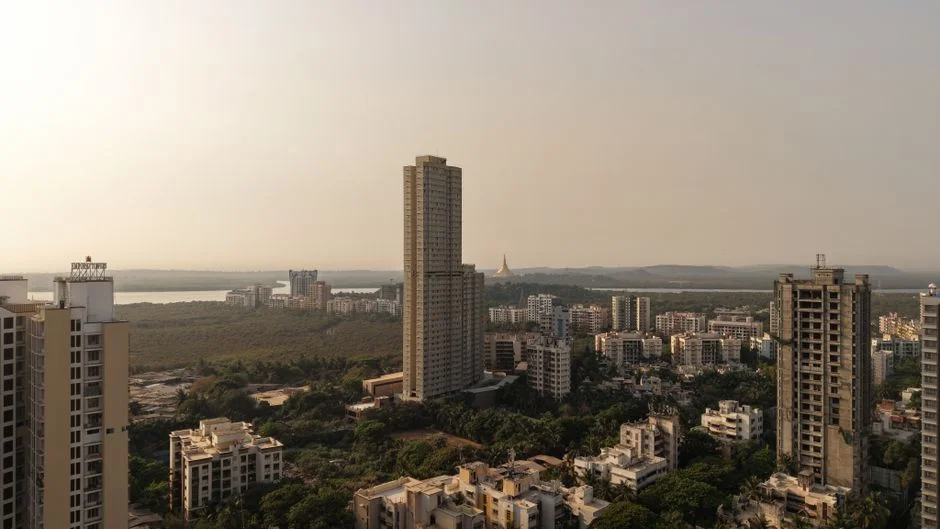
Aligarh, a city in India, experienced a welcome drop in temperatures this week as clouds rolled in, breaking the intense heatwave that had gripped the region. On Monday, temperatures had soared past 40 degrees Celsius, but the arrival of cloud cover on Tuesday provided much-needed relief to the residents.
Recent Weather Patterns in Aligarh
Aligarh, located in Uttar Pradesh, has been enduring a severe heatwave, with temperatures frequently surpassing 40°C. This heatwave is part of a broader trend of rising temperatures across northern India, where summer heatwaves have become increasingly intense over recent years.

The India Meteorological Department (IMD) had issued heatwave warnings for the region. These conditions had prompted concerns among health officials, as prolonged exposure to such high temperatures can lead to heat-related illnesses.
Impact of Weather Changes
The sudden change in weather brought by the cloud cover is significant for the residents of Aligarh. It provides a temporary respite from the extreme heat, allowing for normal activities to resume without the oppressive heat. Such weather shifts are crucial during peak summer months when the risk of heatstroke is highest.
Additionally, the weather changes in Aligarh have broader implications. The region's agricultural sector, heavily dependent on seasonal weather patterns, benefits from such shifts. Crops like wheat and rice require specific temperature and moisture conditions to thrive, and unexpected weather changes can affect yield outcomes.
Global Implications of Regional Weather


Weather patterns in regions like Aligarh can have ripple effects globally. For instance, changes in agricultural output due to weather fluctuations can impact global food supply chains and prices. This is of particular interest to countries like the United States, which engage in agricultural trade with India.
Moreover, the study of these weather patterns contributes to the global understanding of climate change. As regions experience more frequent and severe weather anomalies, the data gathered can aid in global climate modeling and policy formulation.
What to Watch Next
Moving forward, meteorologists will be closely monitoring the weather patterns in Aligarh and other parts of India. The IMD predicts that while the immediate relief from the heatwave is welcome, the region might experience fluctuations as the summer continues.
Residents are advised to stay informed through weather updates and take necessary precautions during extreme weather. Additionally, the impact of these weather changes on agricultural production will be a key area of focus, affecting both local economies and international markets.
See Also
- Gold Surges Past $4,500 as War Enters Fifth Week
- Daily Lotto Draw Confirmed for Wednesday, June 3, 2026
Additionally, the impact of these weather changes on agricultural production will be a key area of focus, affecting both local economies and international markets. For instance, changes in agricultural output due to weather fluctuations can impact global food supply chains and prices.