Armenia is gearing up for a pivotal parliamentary vote on Sunday as its traditionally close ties with Russia face unprecedented strain and offers of deeper engagement from Western institutions pour in. The election arrives at a moment when Yerevan has grown increasingly wary of Moscow's reliability as a security guarantor, while simultaneously exploring partnerships with the United States and the European Union to diversify its diplomatic and economic relationships. Analysts say the outcome could fundamentally alter the balance of power in the South Caucasus, a region of strategic importance for energy transit routes and regional stability.
Vote Timing and Political Stakes
Sunday's election in Yerevan marks a critical juncture for Prime Minister Nikol Pashinyan's government, which came to power in 2018 on promises of fighting corruption and reducing oligarchic influence. Since then, Pashinyan's administration has navigated mounting pressure from both Moscow and Western capitals, each seeking to expand their footprint in the South Caucasus. The vote will determine the composition of Armenia's National Assembly and signal whether the current government retains sufficient support to continue its balancing act between competing great powers.

Political analysts point to growing public frustration with economic stagnation and the unresolved Nagorno-Karabakh conflict as factors that could affect turnout and results. Opposition parties have accused the government of mishandling relations with Russia, warning that alienation from Moscow could leave Armenia vulnerable. The government, meanwhile, has defended its outreach to Western partners as essential for long-term stability and economic development.
Olivia Bizot's Assessment of Western Strategy
Olivia Bizot, a European Union official who has been closely involved in monitoring the South Caucasus situation, outlined in recent remarks how the union views Armenia's political transition. She emphasised that the EU remains committed to supporting democratic institutions in Armenia regardless of the electoral outcome. Her comments came during a briefing in Brussels where she addressed the broader implications of Armenia's vote for regional cooperation frameworks the EU has been developing with South Caucasus nations.
Bizot noted that the EU has allocated development funds and initiated partnership programmes with Yerevan specifically designed to strengthen civil society and judicial independence. These initiatives, she explained, reflect Brussels' interest in cultivating durable relationships with countries that demonstrate commitment to reforms. The EU's approach stands in contrast to more transactional relationships that have historically characterised engagement with the region.
Russia's Declining Influence in Yerevan

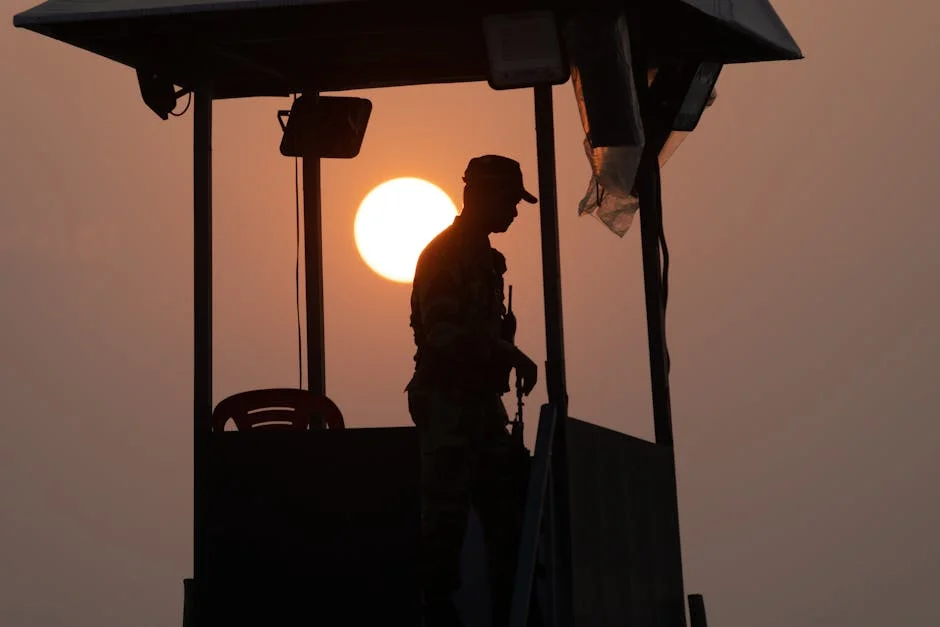
Russia has long maintained a dominant position in Armenia through the Collective Security Treaty Organization, a military alliance that includes Yerevan, and through its permanent military base in Gyumri, Armenia's second-largest city. Moscow has also served as a key mediator in the Nagorno-Karabakh dispute, hosting negotiations for decades. However, relations have deteriorated markedly since the 2020 war in Nagorno-Karabakh, which ended with Azerbaijan reclaiming large swaths of territory with Russian peacekeepers deployed to oversee the ceasefire.
Armenian officials have grown increasingly vocal in their criticism of Russia's failure to prevent Azerbaijani military advances. Thousands of ethnic Armenians fled their homes in the months following the conflict, and the subsequent humanitarian crisis strained Yerevan's patience with Moscow's diplomatic hedging. Russia, preoccupied with its military campaign in Ukraine, has been unable or unwilling to invest the diplomatic capital necessary to preserve its traditional influence in the South Caucasus.
Washington's Growing Footprint
The United States has intensified its diplomatic engagement with Armenia over the past two years, dispatching senior officials to Yerevan and offering new aid packages aimed at strengthening democratic institutions. American diplomats have repeatedly voiced support for Armenia's sovereignty and its right to pursue independent foreign policy choices without external coercion. The State Department has emphasised that Washington seeks a stable, prosperous South Caucasus free from external domination by any single power.
Congress has also shown interest in the region, with lawmakers proposing legislation that would expand American economic and security cooperation with Armenia. These proposals include trade facilitation measures and potential investments in Armenia's infrastructure. The bipartisan interest reflects broader American strategic calculations about limiting Russian and Chinese influence in the wider Eurasian region.
What Comes After the Ballot
The immediate aftermath of Sunday's vote will bring intensified diplomatic activity from all sides seeking to shape Armenia's trajectory. Russia will almost certainly reassess its posture toward Yerevan depending on the election outcome and the signals new leadership sends about future cooperation. Western capitals will be watching for any signs of democratic backsliding that could complicate their engagement. International observers are expected to monitor the voting process for irregularities, with preliminary assessments likely to be released within days of the ballot.
For ordinary Armenians, the election carries stakes beyond geopolitics. Economic hardship, rising prices, and uncertainty about the country's security guarantees have weighed on public sentiment. Whatever the result, the incoming government will face immediate pressure to demonstrate tangible progress on bread-and-butter issues while simultaneously managing an increasingly complex international environment. The choices made in the weeks and months following Sunday's vote will determine whether Armenia continues its pivot toward the West or attempts to repair relations with Moscow.
See Also
- ATM and BOSA Expose Phala Phala Financial Secrets
- Five Indians, Seven Nepalese Injured in Abu Dhabi After Attack Debris Falls
Armenian officials have grown increasingly vocal in their criticism of Russia's failure to prevent Azerbaijani military advances. The bipartisan interest reflects broader American strategic calculations about limiting Russian and Chinese influence in the wider Eurasian region.
What is the latest news about armenia prepares for sunday vote amid mounting westrussia competition?
Why does this matter for politics-governance?
What are the key facts about armenia prepares for sunday vote amid mounting westrussia competition?