The waters of Lituya Bay in Alaska erupted into a vertical wall of water that reached 1,720 feet, shattering previous records and leaving scientists reeling. This event, which occurred on July 9, 1958, remains the second-largest wave ever recorded in human history. The sheer scale of the surge defies conventional understanding of tidal forces and offers a stark reminder of the Pacific Northwest’s geological volatility.
Residents of the bay area witnessed a catastrophe that moved with terrifying speed. The wave did not merely rise; it exploded upward, stripping vegetation from mountain sides and depositing debris far beyond the normal high-tide mark. This disaster continues to influence how coastal engineers design infrastructure and how geologists predict future seismic threats along the Ring of Fire.
The Anatomy of the 1958 Surge
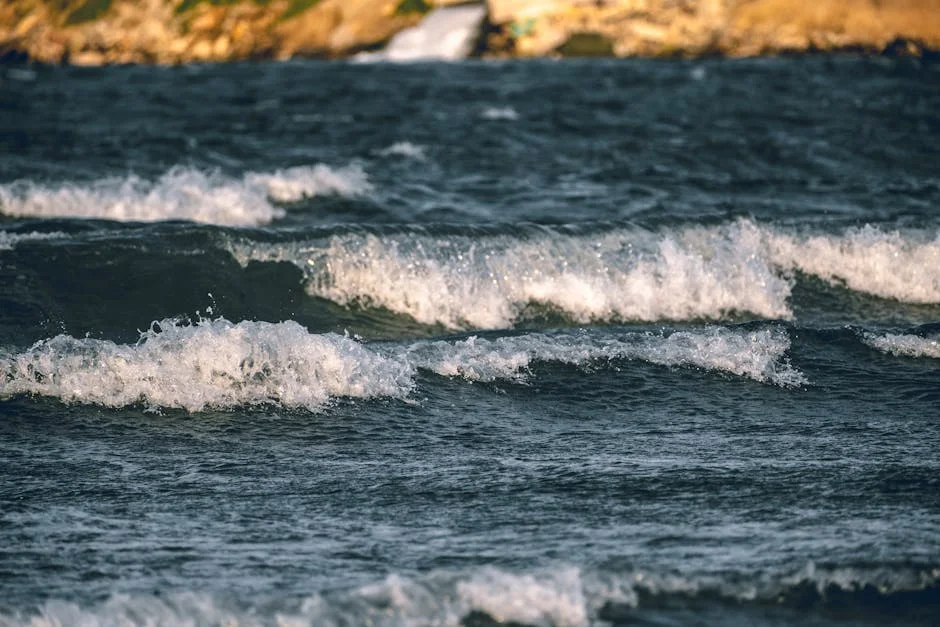
The event began with a massive earthquake that struck the Gulf of Alaska. The tremor measured 7.9 on the Richter scale and originated just offshore from the bay. This seismic activity triggered a colossal landslide from the head of the bay, sending approximately 30 million cubic meters of rock and ice crashing into the water. The displacement was instantaneous and violent, creating a vacuum that pulled water inward before slapping it back out with immense force.
Scientists have long debated the exact mechanics of such extreme hydrodynamic events. The 1958 surge was unique because it was a local megatsunami rather than a global tidal wave. Unlike typical tsunamis that travel across entire ocean basins, this wave was generated within a confined fjord. The narrow geography of Lituya Bay funneled the energy, allowing the water to climb steep slopes with remarkable efficiency.
Researchers from the United States Geological Survey (USGS) have spent decades analyzing the sediment layers and tree stumps left behind by the wave. These physical markers provide a precise timeline of the water’s rise and fall. The data confirms that the wave reached its peak height in less than 30 seconds, a duration that gave the landscape little time to react. The speed of the surge is often cited as the most frightening aspect of the event.
Human Impact and Local Devastation
Despite the monstrous height of the wave, the human toll was surprisingly low. Only three people died in the immediate aftermath of the surge. This relatively small death count is largely due to the sparse population of Lituya Bay at the time. Most residents lived in the small community of Lituya, which sits on the southern shore of the bay. The wave swept through the area, destroying homes and boats, but the rapid retreat of the water allowed many to escape to higher ground.
Boats and Infrastructure
The impact on maritime infrastructure was severe. Three boats were anchored in the bay during the earthquake, and each suffered unique fates. The *Lynx* was lifted 150 feet up the mountainside, resting like a shipwreck in the trees. The *Calypso* was tossed onto the shore, while the *Gwen* was driven into the mudflats. These vessels serve as tangible evidence of the wave’s power. Visitors to the bay can still see the *Lynx* perched on the slope, a silent testament to the event.
Local roads and trails were also obliterated. The wave stripped away the topsoil, exposing bedrock that had not seen sunlight for centuries. This deforestation created a distinct "scars" on the landscape that are still visible today. The ecological recovery has been slow, with new vegetation gradually reclaiming the barren slopes. The event serves as a case study in how quickly a natural disaster can alter a local ecosystem.
Why This Event Matters Today


The 1958 Lituya Bay megatsunami has become a benchmark for coastal hazard planning. Engineers and urban planners use the data from this event to model potential risks in other fjords and bays around the world. The concept of a "local megatsunami" has gained traction in scientific circles, suggesting that not all large waves originate from distant earthquakes. This understanding has led to more nuanced evacuation plans in places like Hawaii and Japan.
Climate change adds a new layer of complexity to these historical records. As glaciers melt, the stability of the mountains surrounding bays like Lituya is changing. This could trigger more frequent landslides, potentially generating similar surges. Scientists are closely monitoring the retreat of the Grand Glacier, which feeds into the bay. The interplay between glacial melt and seismic activity is a critical area of ongoing research.
The event also highlights the vulnerability of coastal communities. As populations grow and infrastructure expands, the risk of human exposure to these rare but powerful events increases. The lesson from 1958 is that preparation is key. Early warning systems must account for local geological features, not just distant seismic activity. This shift in perspective is crucial for mitigating future losses.
Comparing to Global Tsunamis
It is important to distinguish the Lituya Bay event from other major tsunamis. The 2004 Indian Ocean tsunami, for example, was a global event that affected multiple countries. The wave heights in 2004 were generally lower than the 1958 surge, but the geographical spread was much wider. The 2011 Tohoku tsunami in Japan was another massive event, but it was driven by a different mechanism. Comparing these events helps scientists understand the diversity of tsunami types.
The 1958 surge was a "run-up" event, meaning the water climbed up a slope. This is different from a "run-out" event, where the water travels across flat land. The steep walls of Lituya Bay allowed the water to convert horizontal kinetic energy into vertical potential energy. This conversion is what allowed the wave to reach such extraordinary heights. Understanding this distinction is vital for accurate risk assessment.
Other bays around the world share similar geological features. The Kamchatka Peninsula in Russia and the fjords of Norway are prime candidates for similar megatsunamis. Scientists are studying these locations to see if they have the potential to produce waves of comparable magnitude. This global perspective ensures that the lessons from Alaska are applied more broadly.
Scientific Methods and Discoveries
Researchers use a variety of methods to study past tsunamis. Dendrochronology, or tree-ring dating, is one of the most effective tools. By analyzing the growth rings of trees that were uprooted by the wave, scientists can determine the exact year the event occurred. This method provides a high level of precision that complements geological evidence. The combination of data sources creates a robust historical record.
Sediment analysis is another critical technique. Layers of sand and gravel deposited by the wave can be found far inland. These deposits are distinct from normal tidal sediments, allowing scientists to identify them in core samples. This method helps map the extent of the wave’s reach. It also provides clues about the speed and force of the surge.
Modern technology has enhanced these traditional methods. Satellite imagery and LiDAR (Light Detection and Ranging) provide high-resolution maps of the landscape. These tools allow scientists to model the wave’s path with greater accuracy. The integration of technology and fieldwork continues to refine our understanding of the 1958 event. This ongoing research ensures that the data remains relevant for future planning.
Future Risks and Monitoring
The risk of another megatsunami in Lituya Bay remains high. The geological conditions that created the 1958 surge have not significantly changed. The Grand Glacier continues to retreat, altering the weight distribution on the surrounding mountains. This could trigger new landslides, potentially generating another large wave. Scientists are monitoring the area closely, using seismometers and GPS stations to detect subtle shifts in the landscape.
Evacuation routes have been updated based on the lessons from 1958. The local community is more aware of the threat and has established clear protocols for emergency response. These measures are designed to minimize the human toll in the event of a repeat surge. Education and preparedness are seen as the best defenses against this natural hazard.
The global community is also taking note. The International Tsunami Information Center shares data and best practices with coastal nations around the world. This collaboration helps ensure that other regions are better prepared for similar events. The story of Lituya Bay is no longer just an Alaskan anecdote; it is a global case study in coastal resilience.
What to Watch Next
Researchers are currently preparing for a new field season in Lituya Bay. This upcoming expedition will focus on collecting new sediment cores and updating the LiDAR maps. The data gathered will be used to refine computer models of potential future surges. These models will help predict the likely path and height of the next wave. This work is critical for updating evacuation plans and infrastructure designs.
Policy makers in Alaska are also reviewing coastal zoning laws. The goal is to limit development in high-risk areas, reducing the exposure of homes and businesses. This legislative process is ongoing, with public hearings scheduled for the coming months. The outcome will determine how future generations interact with the bay. The balance between economic growth and geological safety is a key issue for the region.
See Also
- Wales Labour Faces Historic Senedd Defeat After Century of Dominance
- Tech Giants Slam AI Hype — Reality Check Hits Silicon Valley
What is the latest news about alaska tsunami shatters records scientists reveal the scale of the surge?
Why does this matter for agriculture-food?
What are the key facts about alaska tsunami shatters records scientists reveal the scale of the surge?