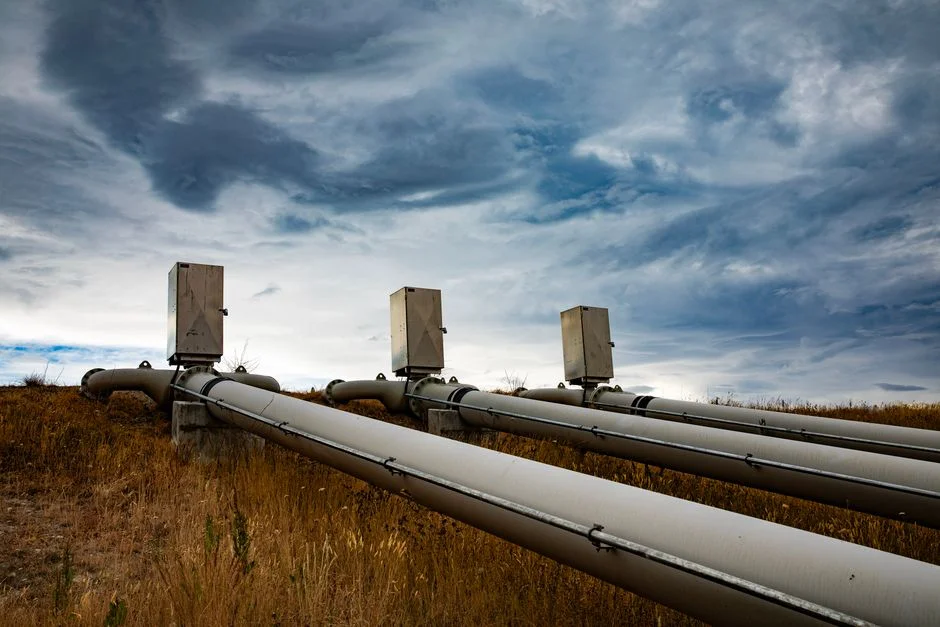
Leaked internal documents reveal that Shell continued operating a major oil pipeline in Nigeria's Niger Delta for years after company staff identified clear evidence of contamination, according to a new investigative report published this week. The files, reviewed by multiple news organisations, show thatShell's own environmental teams flagged pollution concerns while the company publicly maintained the pipeline was operating safely. The revelations have reignited debate over corporate accountability in one of the world's most oil-damaged regions.
What the Documents Show
The report draws on hundreds of internal Shell communications, engineering assessments, and environmental monitoring records spanning several years. According to the findings, Shell personnel documented repeated evidence of oil leaks and soil contamination near the pipeline infrastructure in the Niger Delta. Despite these internal warnings, the company kept the pipeline active and continued exporting crude oil. The documents suggest senior executives were briefed on the pollution data but no major operational shutdown followed. Shell has previously maintained that safety and environmental compliance are top priorities across its global operations.

Timeline of Internal Warnings
The internal records indicate that environmental staff first raised concerns about the pipeline corridor approximately five years before any significant remedial action was taken. Monitoring reports during that period documented elevated hydrocarbon levels in surrounding soil samples. Emails between field engineers and the company's Nigerian subsidiary reference repeated requests for pipeline inspections that were either delayed or did not happen. The gap between when problems were identified internally and when Shell publicly acknowledged them spans several years, the report states.
Shell's Response to the Findings
Shell declined to comment specifically on the leaked documents but provided a statement emphasising its commitment to operational safety in Nigeria. The company pointed to investments in pipeline monitoring technology and said it cooperates regularly with Nigerian regulatory authorities on environmental compliance. Shell did not directly address the specific timeline of internal warnings cited in the report. The company has faced previous legal challenges in the Netherlands and the United Kingdom over oil spills in the Niger Delta, where community groups have long accused multinational oil companies of damaging farmland and waterways.
The Niger Delta Context


The Niger Delta is home to one of the world's largest deltas and has been at the centre of Nigeria's oil industry for more than six decades. Decades of extraction have left parts of the region severely polluted, with mangrove forests destroyed and fishing grounds rendered unusable. Communities in states including Rivers, Bayelsa, and Delta have reported widespread health issues linked to oil contamination. The Nigerian government depends heavily on oil revenues, but critics argue that communities living near extraction sites have received too little compensation for environmental damage. Shell, as the longest-operating major oil company in the region, has been at the centre of these disputes for years.
Legal and Regulatory Questions
The report raises questions about whether Shell's continued operation of the pipeline violated Nigerian environmental law. Regulatory standards in Nigeria require companies to halt operations and report significant contamination events within set timeframes. The documents appear to show internal awareness of pollution that may not have been promptly disclosed to authorities. Legal experts said the records could become relevant in pending court cases involving Shell and Niger Delta communities. The Dutch and British courts have been particularly active in hearing claims against Shell over alleged environmental negligence in Nigeria.
Community Impact in the Delta
Fishing and farming communities near the pipeline corridor say they noticed oil odours and visible sheen on water surfaces years before any official investigation began. Local leaders told reporters that crop yields in affected areas declined noticeably during the period the documents cover. Several residents described health symptoms they attribute to contamination, including skin conditions and respiratory problems, though establishing direct causal links to specific pipeline operations is difficult without comprehensive medical data. Community representatives said they had repeatedly written to Shell and Nigerian regulators requesting investigations but received no satisfactory response until media reports drew public attention to the issue.
Pressure from Investors and Watchdogs
Environmental groups have used the report's findings to renew calls for stronger oversight of oil company operations in sensitive ecosystems. Shareholder activists have also raised concerns, arguing that Shell faces material financial risks from litigation and reputational damage if pollution claims are upheld. The company operates across multiple continents and is under increasing pressure to demonstrate that its operations meet international environmental standards. Analysts note that Shell's credibility in sustainability reporting depends on how it handles incidents like those described in the leaked documents. The company's annual reports reference environmental performance targets, but critics say actual practice often falls short of stated commitments.
What Happens Next
Nigerian regulatory authorities have not yet announced any formal investigation following the report's publication, but officials indicated they are reviewing the findings. Community lawyers said they are examining whether the documents provide fresh grounds for civil claims against Shell in domestic courts. A Dutch court is expected to rule later this year on a separate case involving Shell subsidiary operations in the Niger Delta, a decision that could set precedent for future claims. Environmental monitoring organisations say they will press for independent inspections of the pipeline corridor. Investors and regulators in Europe are also watching the situation closely, given increasing scrutiny of oil company environmental disclosures worldwide.
See Also
- PSG Defeats Arsenal on Penalties to Secure Back-to-Back Champions League Titles
- Tech Giants Slam AI Hype — Reality Check Hits Silicon Valley
The company's annual reports reference environmental performance targets, but critics say actual practice often falls short of stated commitments.What Happens NextNigerian regulatory authorities have not yet announced any formal investigation following the report's publication, but officials indicated they are reviewing the findings. Shell, as the longest-operating major oil company in the region, has been at the centre of these disputes for years.Legal and Regulatory QuestionsThe report raises questions about whether Shell's continued operation of the pipeline violated Nigerian environmental law.