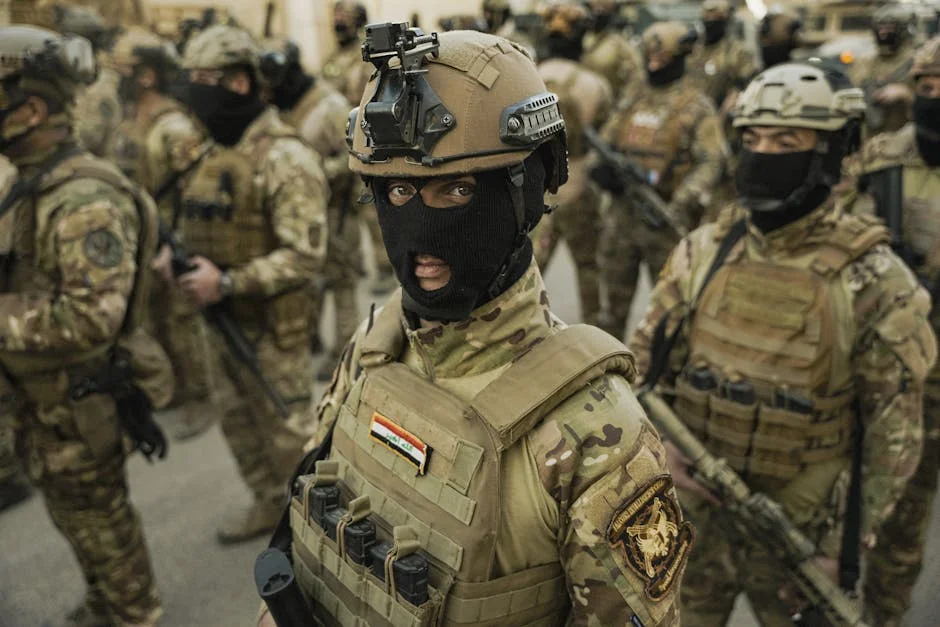
Mali jihadist militias torched dozens of vehicles along the critical highway connecting Bamako to the north, effectively enforcing a strict blockade just days before the Eid al-Adha holiday. This aggressive move by the Tuareg-led coalition has halted the flow of essential goods and commuters, sending shockwaves through the West African nation’s already fragile economy. The destruction of transport infrastructure threatens to exacerbate food shortages and drive up prices for millions of Malians preparing for the religious festival.
Strategic Disruption of Key Supply Routes
The blockade targets the A10 highway, the main artery linking the capital city of Bamako to the northern regions of Gao and Timbuktu. Militants from the Coordination of Azawad Forces (CAF) and the Alliance of States of the Sahel (AES) have been coordinating their efforts to maximize economic pressure on the transitional government. By burning trucks, buses, and private cars, the insurgents have created a visible and intimidating barrier that discourages drivers from attempting to pass through without negotiation.
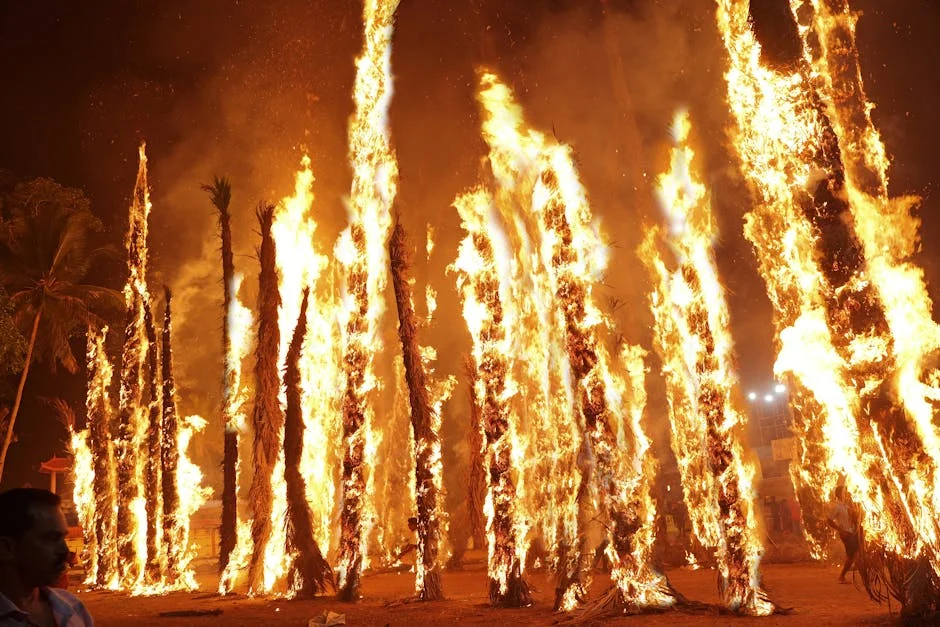
Witnesses in the region reported seeing columns of smoke rising from the highway near the town of Mopti, a key logistical hub. The burning vehicles include heavy-duty trucks carrying rice, fuel, and construction materials, as well as smaller cars belonging to local merchants. This targeted destruction aims to choke off the supply lines that keep the northern territories connected to the rest of the country. The visual impact of the burnt-out shells serves as a stark reminder of the militants' reach and their willingness to use force.
The timing of the blockade is particularly strategic, occurring just before the Eid al-Adha celebration, which is often referred to as the "Feast of Sacrifice." During this period, demand for food, clothing, and transportation surges as families prepare for gatherings and travel. By interrupting the flow of goods at this critical juncture, the jihadists hope to amplify public dissatisfaction with the government's handling of the peace process. The disruption affects not only local traders but also international aid organizations relying on these routes to deliver supplies to displaced populations.
Economic Impact on Local Markets and Prices
The immediate consequence of the blockade is a sharp rise in the cost of basic commodities in Bamako and surrounding areas. Market vendors report that the price of rice, a staple food in Mali, has increased by approximately 15% in the last week alone. Fuel prices have also seen a notable spike due to the reduced supply from the northern refineries and the increased cost of transporting diesel from neighboring countries. These price hikes place a significant burden on low-income households, who are already struggling with inflation and currency devaluation.
Local business owners are expressing deep concern about the sustainability of their operations under these conditions. Many small shops rely on weekly deliveries from the north, and the uncertainty surrounding the blockade makes inventory planning nearly impossible. Some merchants have begun hoarding goods in anticipation of further disruptions, which could lead to even higher prices if the blockade persists. The economic strain is particularly acute in the central regions, where the conflict has displaced thousands of people and disrupted agricultural activities.
Disruption to Daily Commuter Life
For everyday commuters, the blockade has meant long delays and expensive detours. Many workers who travel between Bamako and the northern mining zones have found their daily routines upended. Some have chosen to take longer routes through neighboring Burkina Faso or Niger, adding hours to their journeys and increasing fuel consumption. Others have been forced to rely on more expensive private transport options, such as minibuses and taxis, which have raised their fares in response to the increased demand and risk. The disruption has also affected school attendance, with many students missing classes due to transportation challenges.
The social impact of the blockade extends beyond economics, affecting the social fabric of communities that depend on regular interaction. Families separated by the conflict find it harder to maintain connections, and the uncertainty creates a sense of anxiety among the population. The blockade serves as a tangible manifestation of the ongoing tensions between the central government and the northern rebels, highlighting the fragility of peace agreements signed in recent years.
Background of the Mali Conflict

The current unrest in Mali is rooted in a complex mix of ethnic, political, and economic factors that have simmered for over a decade. The Tuareg rebellion, which first erupted in 2012, was driven by feelings of marginalization and neglect by the central government in Bamako. The arrival of jihadist groups such as the Al-Mourabitoun, the Group for Support of Islam and Muslims (GISM), and the Jama'at Nasr al-Islam wal-Muslimin (JNIM) further complicated the conflict, turning a regional dispute into a broader ideological struggle. These groups have leveraged the chaos to establish control over large swathes of the northern territory, imposing their own brand of Sharia law and extracting resources.
The transitional government in Mali, led by President Assimi Goïta, has faced numerous challenges in restoring stability and securing a lasting peace. Despite several peace agreements, including the 2015 Algiers Accord, implementation has been slow and fraught with setbacks. The government's decision to align more closely with Russia and its private military contractor, the Wagner Group, has also shifted the geopolitical dynamics of the region. This realignment has created new tensions with traditional Western allies, particularly France and the United States, who have historically played key roles in the Mali peace process.
Regional Security Implications
The blockade in Mali has broader implications for the security of the entire Sahel region. The instability in Mali has spilled over into neighboring countries, including Burkina Fso and Niger, contributing to a surge in jihadist activity across the area. The Coordination of Azawad Forces and other rebel groups often coordinate with jihadist factions, creating a complex web of alliances and rivalries that makes peacekeeping efforts more difficult. The disruption of trade routes in Mali also affects the economic stability of neighboring countries, which rely on cross-border trade to boost their economies.
Regional organizations such as the African Union and the Economic Community of West African States (ECOWAS) have been closely monitoring the situation in Mali. However, their ability to intervene effectively has been hampered by political divisions and limited resources. The recent coup in Niger and the ongoing political uncertainty in Burkina Faso have further complicated regional cooperation efforts. The blockade serves as a reminder of the fragility of peace in the Sahel and the need for a more coordinated and comprehensive approach to addressing the root causes of the conflict.
Government Response and Diplomatic Efforts
The Malian government has responded to the blockade with a mix of military pressure and diplomatic negotiations. Military patrols have been increased along the A10 highway to protect convoys and deter further attacks by the militants. However, the government has also engaged in talks with rebel leaders to seek a temporary truce that would allow for the smooth passage of goods during the Eid holiday. These negotiations are being facilitated by regional mediators, including representatives from Algeria and Libya, who have historically played key roles in the Mali peace process.
President Assimi Goïta has emphasized the need for a political solution to the conflict, urging all parties to return to the negotiating table. The government has also highlighted the economic costs of the blockade, arguing that it disproportionately affects ordinary citizens who are not directly involved in the political dispute. Despite these efforts, progress has been slow, and the militants have shown little willingness to ease the blockade without significant concessions. The government's ability to enforce its authority in the north remains a key test of its legitimacy and effectiveness.
Humanitarian Concerns and Aid Delivery
The blockade has raised serious concerns among humanitarian organizations about the ability to deliver essential aid to vulnerable populations in the north. Many displaced families in camps around Mopti and Gao rely on regular shipments of food, water, and medical supplies from Bamako. The disruption of these supply lines threatens to exacerbate the humanitarian crisis, which has already been worsened by the ongoing conflict and climate change. Aid organizations are working to find alternative routes and increase their stockpiles, but the uncertainty surrounding the blockade makes planning difficult.
The United Nations and other international donors have called for a temporary ceasefire to allow for the delivery of aid during the Eid holiday. These appeals have been largely ignored by the militants, who view the blockade as a key leverage point in their negotiations with the government. The humanitarian impact of the blockade highlights the human cost of the conflict and the urgent need for a more stable and predictable security environment in the region.
What to Watch Next
Observers will be closely monitoring the outcome of the ongoing negotiations between the Malian government and the rebel groups. The success or failure of these talks could determine the duration and intensity of the blockade, as well as the broader trajectory of the peace process. A temporary truce during the Eid holiday could provide a window of opportunity for increased aid delivery and economic relief, but a breakdown in talks could lead to further escalation and instability. The international community will be watching to see if diplomatic efforts can avert a deeper crisis.
See Also
- Man City Fatigue Threatens FA Cup Glory Against Chelsea
- Strasbourg's Emegha Injury Blow Hits Rayo Vallecano Conference Hopes