Senate President Godswill Akpabio declared on Tuesday that kidnappers and terrorists operating across Nigeria are targeting the nation as a whole, not political parties or individual politicians. The statement came during a Senate session in Abuja as lawmakers debated the country's escalating security challenges.
Akpabio's Direct Assessment
The Senate President made his position clear during deliberations, telling senators that criminal networks view Nigeria as their objective, not internal party disputes. His comments appeared designed to reframe how the legislature approaches the security crisis, pushing beyond politically convenient narratives.
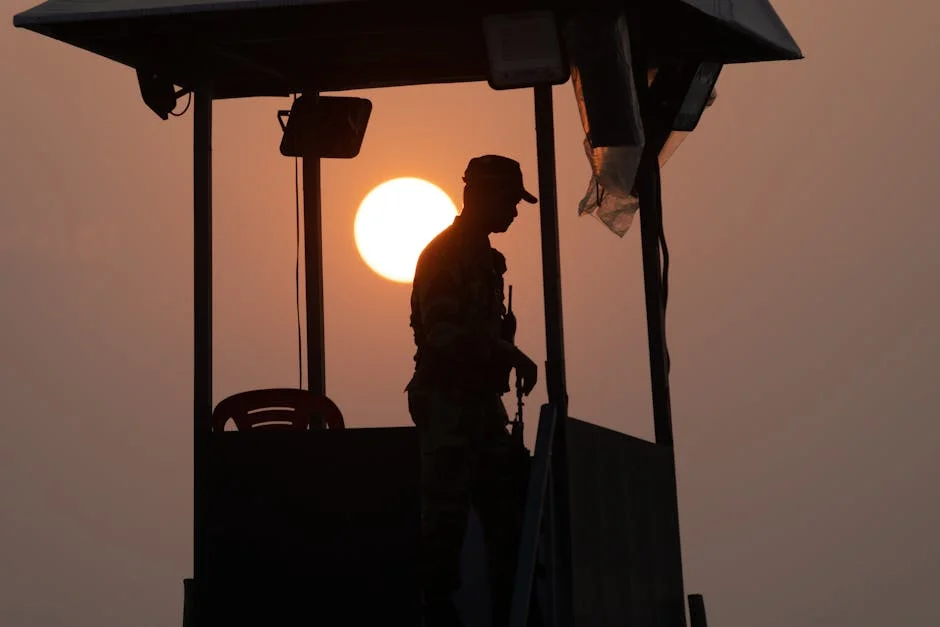
"Kidnappers and terrorists are not interested in which party controls the National Assembly or state governments," Akpabio stated in the chamber. "They see Nigeria itself as the prize." The remarks signal a shift in official rhetoric toward acknowledging the scale of threat the country faces.
Context: Nigeria's Widening Security Crisis
Nigeria has grappled with multiple security threats simultaneously, from Boko Haram insurgents in the northeast to bandit groups operating across northwestern states. Kidnapping for ransom has spread well beyond traditional hotspots, affecting communities in virtually every region of the country.
The Senate has convened multiple closed-door sessions this year to address the deteriorating situation. Military operations have continued across affected states, though officials acknowledge the insurgency remains far from defeated. The economic toll includes disrupted agriculture, displaced communities, and investor uncertainty.
Lawmakers React to Akpabio's Statement


Governors and federal legislators have responded with varying degrees of support for the Senate President's framing. Oyo State Governor Seyi Makinde endorsed the approach, suggesting that bipartisan cooperation on security matters would serve the nation better than partisan scoring. Other regional leaders echoed similar sentiments in subsequent statements.
The Senate subsequently directed relevant committees to fast-track oversight of security agencies' operations. Committee chairs were instructed to report within six weeks on troop deployment, equipment procurement, and intelligence-sharing protocols with state governments.
Military Operations Continue
Nigerian forces have maintained offensive operations across multiple theaters, with the Defence Headquarters reporting regular engagements with armed groups. The army has deployed additional battalions to states experiencing renewed waves of violence, though commanders face challenges including equipment shortages and personnel fatigue from sustained deployments.
Intelligence officials note that criminal networks have adapted their tactics in response to military pressure, shifting attack timing and targeting to minimize exposure. This adaptability has complicated efforts to predict and prevent incidents.
Economic and Humanitarian Fallout
The security crisis has compounded Nigeria's economic challenges. Insurance costs for businesses operating in high-risk areas have risen sharply, while some multinational companies have delayed expansion plans pending improved conditions. Agricultural output in affected regions has declined as farmers abandon fields due to insecurity.
Humanitarian organizations estimate that over two million Nigerians have been displaced from their homes, creating strain on host communities and diverting resources from development projects. International donors have increased funding for emergency response, though aid workers warn that needs continue to outpace available support.
What Comes Next
The Senate's directive sets a six-week timeline for committees to deliver their security oversight reports. Those findings will inform debates over additional funding for defence agencies and potential revisions to the nation's security architecture. Senate leaders have indicated that the next full session will include a comprehensive briefing from the National Security Adviser.
Watch for developments from state governments as regional leaders respond to Akpabio's call for unified action. The next few weeks will test whether the Senate President's framing translates into sustained bipartisan cooperation or remains political rhetoric ahead of upcoming elections.
See Also
- Delhi Adds 200 Electric Buses This Month - Gupta's Move Bolsters EV Fleet to 7,500: Full Impact Revealed
- Nigeria’s PDP Elite Imposition Threatens Democratic Will
What is the latest news about senate president akpabio terrorists target nigeria not political parties?
Why does this matter for politics-governance?
What are the key facts about senate president akpabio terrorists target nigeria not political parties?