Nigeria’s People’s Democratic Party (PDP) faces a critical juncture as internal factions clash over the legitimacy of their presidential candidate. The ongoing tension between elite imposition and the desire for a transparent primary process threatens to fracture the party ahead of the upcoming general election. This internal struggle raises serious questions about the health of Nigeria’s democracy and the true will of the electorate.
The Crisis of Legitimacy in the PDP
The core of the current dispute centers on whether the chosen presidential standard-bearer truly reflects the choice of the party members or merely the consensus of the political elite. Critics argue that the process has been manipulated to favor a specific individual, sidelining other viable contenders and rank-and-file members. This perception of manipulation has led to widespread dissatisfaction and calls for a more inclusive selection mechanism.
The term "consensus candidacy" is often used to describe a candidate who emerges from behind-the-door negotiations among party bigwigs. While this method can provide stability, it often comes at the cost of transparency and broad-based support. When the consensus is perceived as forced rather than organic, it can lead to deep-seated resentment within the party structure. This resentment can manifest in various ways, from internal revolts to a fragmented voter base during the general election.
Elite Negotiations vs. Grassroots Will
The negotiations typically take place in the boardrooms of Abuja or the estates of Lagos, far removed from the average party member. These discussions involve powerful governors, seasoned legislators, and influential party elders who wield significant sway over the party’s direction. Their decisions, while strategic, often fail to account for the aspirations and preferences of the grassroots supporters who form the backbone of the party’s electoral machine.
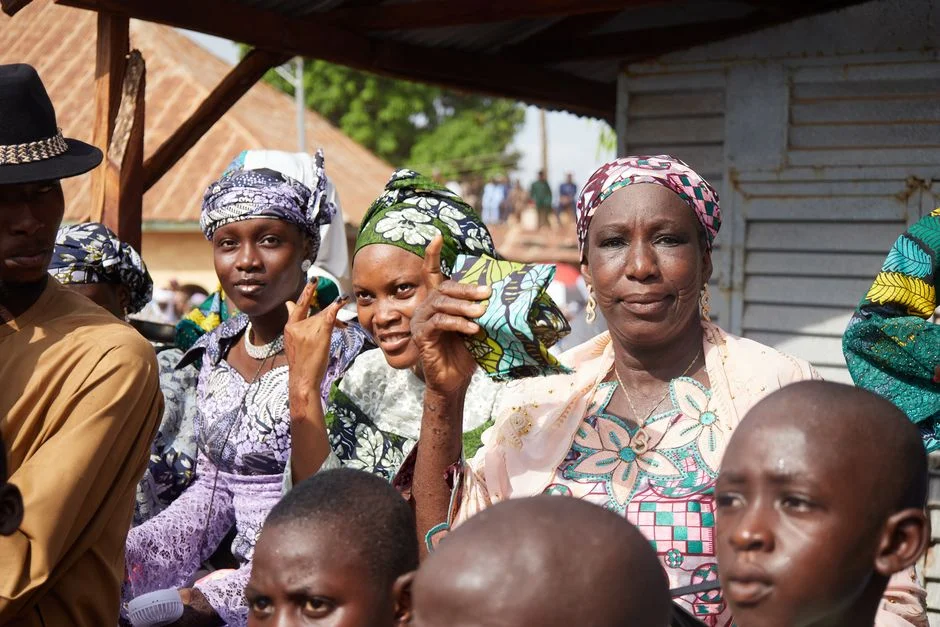
In contrast, the grassroots will is expressed through local ward congresses and state primaries, where ordinary members cast their votes. When these votes are disregarded or overridden by the elite, the disconnect between the leadership and the led becomes stark. This disconnect can undermine the party’s credibility and make it vulnerable to attacks from opposition parties that claim to offer a more democratic alternative.
Historical Precedents and Political Patterns
Nigeria’s political history is replete with examples of elite imposition overriding the democratic will within major parties. In previous elections, the PDP has experienced similar internal battles that have influenced the outcome of the presidential race. Understanding these historical patterns is crucial for analyzing the current situation and predicting its potential impact on the upcoming election.
For instance, in the 2018 Lagos State gubernatorial election, the PDP faced a significant split due to the perceived imposition of Babajide Olusola Sanwo-Olu. This split led to the emergence of strong opposition candidates and a closely contested race. The lesson from this event is that when a party’s internal selection process is seen as flawed, it can energize the opposition and mobilize voters who might otherwise have been indifferent.
Similarly, in the 2022 Kano State gubernatorial election, the PDP’s internal dynamics played a crucial role in determining the final result. The party’s ability to unite behind a single candidate was tested, and the outcome hinged on how well the elite could manage the expectations of the grassroots. These historical precedents highlight the importance of a fair and transparent primary process in maintaining party cohesion and electoral success.
Impact on Voter Perception and Turnout


The perception of a rigged or manipulated primary process can have a profound impact on voter perception and turnout. When voters believe that their choice has been predetermined by a handful of elite politicians, they may feel disenfranchised and less motivated to cast their ballots. This apathy can be exploited by opposition parties to increase their own voter turnout and secure a victory.
In Nigeria, voter turnout has historically been influenced by the credibility of the electoral process. If the PDP’s primary is seen as lacking transparency, it could lead to a decline in enthusiasm among its traditional support base. This decline could be particularly significant in key swing states where the margin of victory is often narrow. The opposition could capitalize on this disillusionment to present themselves as the more viable and democratic alternative.
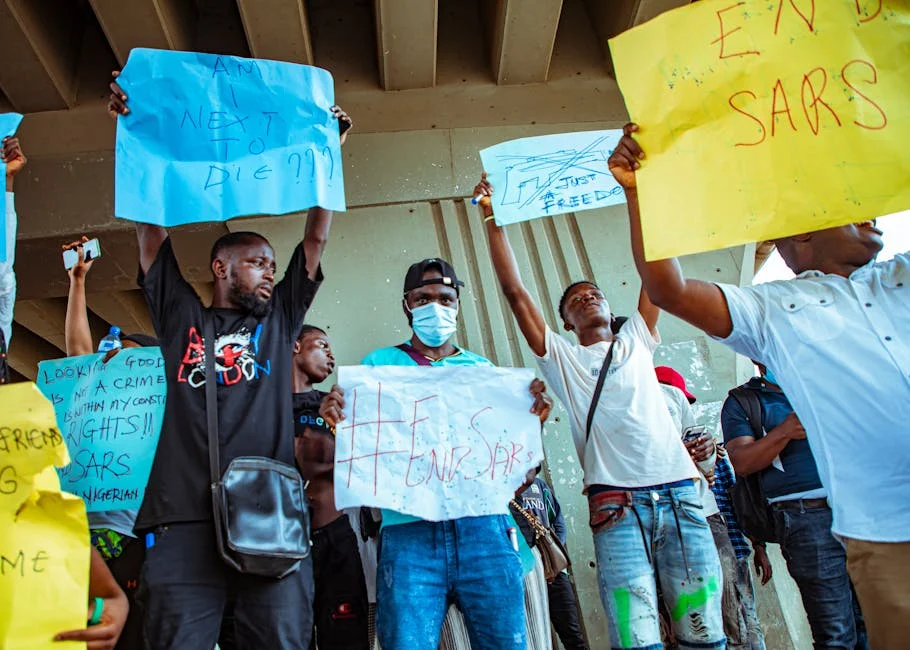
Furthermore, the perception of elite imposition can also affect the party’s ability to attract new and young voters. Younger generations, in particular, are increasingly demanding greater transparency and accountability from their political leaders. If the PDP fails to meet these expectations, it risks losing the support of a crucial demographic that could determine the outcome of the election.
The Role of the Electoral Commission
The Independent National Electoral Commission (INEC) plays a vital role in ensuring the transparency and fairness of the primary election process. INEC’s oversight can help to mitigate some of the concerns about elite imposition by enforcing rules and regulations that govern the selection of candidates. However, the effectiveness of INEC’s intervention depends on its ability to remain independent and free from political pressure.
INEC has the power to validate or invalidate the results of party primaries based on the adherence to prescribed guidelines. If the PDP’s primary process is found to be flawed, INEC could potentially annul the results, forcing the party to hold a fresh set of primaries. This possibility serves as a check on the power of the party elite and provides some assurance to the grassroots members that their votes will be counted.
However, INEC’s role is not without its challenges. The commission has faced criticism in the past for perceived biases and inefficiencies. If INEC is seen as being influenced by political interests, its ability to restore confidence in the primary process could be undermined. Therefore, the commission’s performance in overseeing the PDP’s primary will be closely watched by political analysts and voters alike.
Strategic Implications for the PDP
For the PDP, the strategic implications of the current internal clash are significant. A fractured party is a vulnerable party, and the PDP must take steps to heal the divisions and present a united front to the electorate. This will require a delicate balance between accommodating the interests of the elite and addressing the concerns of the grassroots.
One potential strategy is to hold a more inclusive and transparent primary process that allows for broader participation. This could involve extending the voting period, increasing the number of polling units, and leveraging technology to enhance transparency. By doing so, the PDP could demonstrate its commitment to democratic principles and rebuild trust with its members.
Another strategy is to engage in dialogue with the dissenting factions to address their grievances and find common ground. This dialogue should be facilitated by neutral mediators who can help to bridge the gap between the elite and the grassroots. If successful, this approach could lead to a more cohesive party structure and a stronger electoral performance.
What to Watch Next
The coming weeks will be critical in determining the outcome of the PDP’s internal struggle. Voters and analysts will be closely watching for any signs of compromise or further fragmentation within the party. Key indicators to monitor include the release of detailed primary results, statements from party leaders, and the reactions of prominent governors and legislators.
The finalization of the PDP’s presidential candidate will be a pivotal moment. If the party can successfully unite behind a single candidate through a transparent process, it will send a strong signal of strength to the electorate. Conversely, if the process is marred by controversy and division, the PDP’s chances of winning the presidency could be significantly diminished. The upcoming party congress in Abuja will be a key event to watch for these developments.
See Also
- India Appears Sidelined as Pakistan Tries to Play Peacemaker in Iran
- Dozens Wounded as Anti-Mozambican Riots Engulf Western Cape
This decline could be particularly significant in key swing states where the margin of victory is often narrow. Key indicators to monitor include the release of detailed primary results, statements from party leaders, and the reactions of prominent governors and legislators.
What is the latest news about nigerias pdp elite imposition threatens democratic will?
Why does this matter for politics-governance?
What are the key facts about nigerias pdp elite imposition threatens democratic will?