Maude Ahmad Fadala went into labour on a dusty transit road in eastern Chad, 34 kilometres from the Sudanese border. She had walked for six days to reach the site. No doctors were present. No midwife arrived. The nearest functional health clinic had shut down three weeks earlier when international donors withdrew funding.
Labour Without Assistance
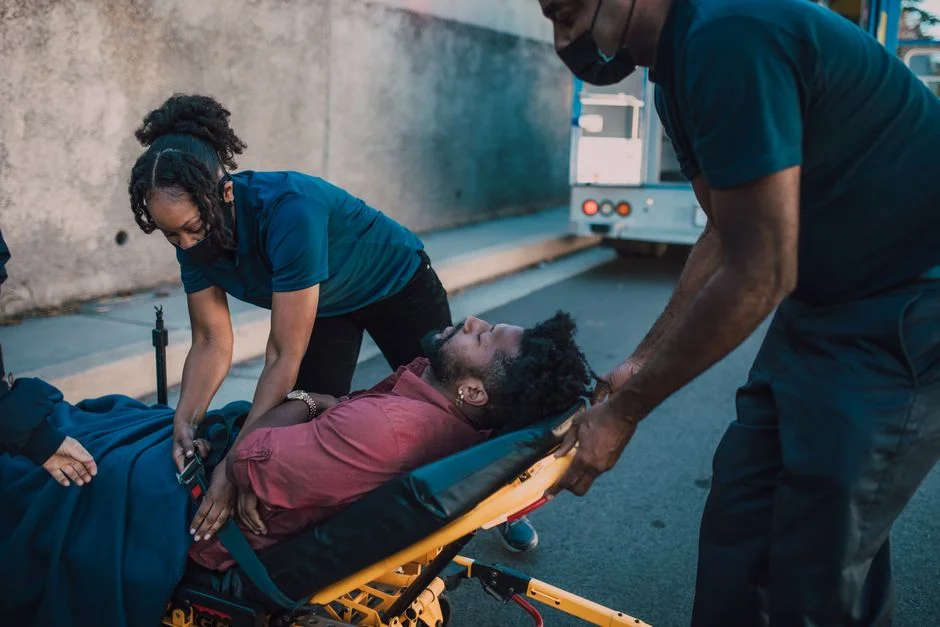
Fadala, 28, delivered her fourth child alone with help from other refugee women at the site. The baby survived. She did not. Both were transported to a hospital in Adré, a town 12 kilometres inside Chad, only after community volunteers carried them on makeshift stretchers for nearly two hours. "I had no choice," Fadala told reporters from her hospital bed. "The clinic that used to help us closed. Nobody came."
The United Nations High Commissioner for Refugees confirmed that at least 14 health facilities serving Sudanese refugees in eastern Chad have reduced operations since January. Three have closed entirely. The agency said funding shortfalls had left it unable to pay staff salaries or purchase medical supplies.
Funding Crisis Hits Aid Operations
International donors provided $1.2 billion for Sudanese refugee operations across the region in 2023. That figure dropped to $680 million in 2024, according to UNHCR data. The agency has warned that an additional $340 million is needed before June to prevent further service reductions.
Several Western governments have cut bilateral aid allocations this year, citing domestic budget constraints. The European Union reduced its humanitarian allocation to the Sahel and East Africa by 22 percent. The United States Agency for International Development has also trimmed funding to displacement operations in the Horn of Africa.
What Volunteers Are Doing
Community groups in Adré have attempted to fill the gap. Local women trained as birth attendants by NGOs before the funding cuts are now working unpaid. They cover an area stretching from the border crossing points to three major camps housing more than 180,000 people. "We cannot replace a clinic," said Fatima Hassan, a volunteer coordinator. "But we have no other option."
Sudan's War Escalates Displacement

Since the conflict between the Sudanese Armed Forces and the Rapid Support Forces erupted in April 2023, over 1.5 million people have crossed into Chad, Egypt, South Sudan, and Ethiopia. The UN estimates that 8.3 million Sudanese are now internally displaced. Death rates at border reception points have risen by 31 percent compared to the same period last year.
The International Committee of the Red Cross has called for humanitarian corridors to be protected. Officials warn that if aid does not resume within 60 days, the mortality rate for newborns and pregnant women at transit sites could double.
International Response Falls Short
Three donor conferences have taken place in Geneva and Nairobi since February. Pledges made at those events have not translated into disbursements, according to UNHCR spokesperson James Kwezi. "We have commitments on paper," Kwezi told reporters. "We do not have money in our accounts. The two are not the same thing."
The World Health Organization has deployed a mobile health team to eastern Chad but says it can only operate at 40 percent capacity due to supply chain disruptions. Local hospitals in Adré are reporting shortages of antibiotics, anaesthetics, and basic birthing kits.
What Comes Next
UNHCR has scheduled a briefing for donor nations on March 28. Agency officials will present updated figures on maternal mortality at border sites and request emergency funding. A separate meeting hosted by the African Union is planned for early April to discuss burden-sharing among neighbouring states hosting Sudanese refugees.
Fadala plans to return to the transit site within two weeks. She does not know if the health volunteers will still be there. "My baby is alive," she said. "I need to find a way to keep him that way."
See Also
- Kylie Minogue Reveals Cancer Battle Details and Michael Hutchence Memories
- Durban Police Exposed to Toxic Mandrax Fumes from 2020 Drug Bust
Agency officials will present updated figures on maternal mortality at border sites and request emergency funding. "I need to find a way to keep him that way." See AlsoKylie Minogue Reveals Cancer Battle Details and Michael Hutchence MemoriesDurban Police Exposed to Toxic Mandrax Fumes from 2020 Drug Bust