A string of flawed polygraph examinations conducted on Hawks officers in KwaZulu-Natal has been connected to a massive cocaine theft case worth R200 million, raising serious questions about the integrity of South Africa's elite crime-fighting unit. The scandal has exposed deep divisions within the Directorate for Priority Crime Investigation, commonly known as the Hawks, and prompted an urgent review of internal procedures.
Polygraph Errors Undermine Major Investigation
Warrant Officer Karl Sander was among several officers whose polygraph results raised red flags during the internal review, according to documents seen by this publication. The examinations, meant to clear officers of involvement in the cocaine disappearance, instead revealed inconsistencies that investigators say point to deliberate falsification of evidence. Sources familiar with the matter said the errors were not random but followed a pattern that benefited those with potential ties to the theft.
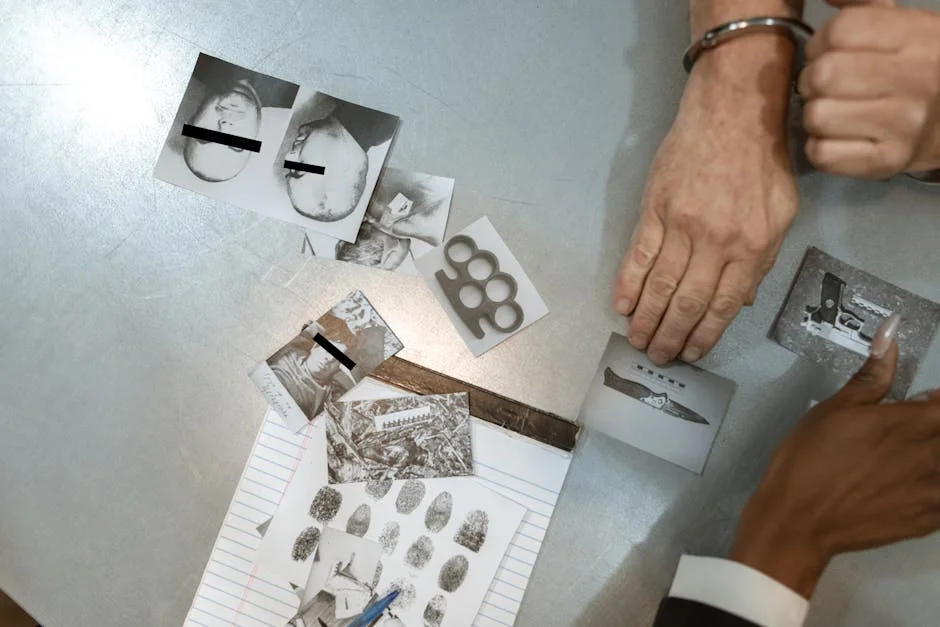
The R200 million in cocaine vanished from a secure government facility in Durban last year. Initial investigations made little progress until senior Hawks commanders ordered the polygraph examinations following whispers of an inside job. The flawed test results, however, may have allowed certain officers to avoid scrutiny longer than they should have.
Inside the Hawks Scandal
Three senior officers have since been placed on precautionary suspension while the review continues. A fourth officer, whose name has been withheld pending formal charges, allegedly failed to appear for scheduled re-testing in Pietermaritzburg last month. The Independent Police Investigative Directorate (IPID) has been called in to oversee the internal Hawks inquiry, a move that insiders say was designed to restore public confidence in the force.
National Hawks spokesperson Colonel Andra Raad confirmed the investigations were ongoing but declined to name those under scrutiny. "We take any allegation of misconduct within our ranks with the utmost seriousness," Raad said in a written response to questions. "Appropriate steps have been taken to ensure the integrity of both the cocaine investigation and our internal disciplinary processes."
How the Cocaine Went Missing

The missing cocaine originated from a customs seizure in Durban harbour. Officials had stored the contraband in a high-security vault pending destruction or disposal under court order. Somewhere between the vault and the destruction site, the shipment vanished. Police investigators believe the theft required inside knowledge of security protocols and timing. The R200 million street value made it one of the largest drug seizures ever to disappear from state custody in South Africa.
Organised crime analysts have long warned that South Africa's drug trade is facilitated by contacts inside law enforcement. The Hawks scandal appears to confirm those fears, at least in this instance. "When you have officers who can manipulate polygraph results or avoid them entirely, you create a space where corruption can thrive," said one analyst who spoke on condition of anonymity.
Political Fallout and Public Trust
The Minister of Police has summoned Hawks leadership to a briefing in Pretoria next week. Opposition parties have demanded a parliamentary debate on the matter, calling for greater transparency around the investigation and its outcomes. The scandal arrives at a fraught moment for law enforcement agencies already struggling with public perceptions of corruption and incompetence.
Communities in KwaZulu-Natal, where the Hawks maintain their largest regional presence, have expressed frustration that the cocaine theft has yet to result in recoveries or arrests. Local civic groups argue that the focus on internal polygraph failures distracts from finding the drugs and bringing perpetrators to justice.
What Comes Next
IPID investigators are expected to complete their preliminary review within six weeks. That report will determine whether criminal charges are warranted against any officers, including possible charges of defeating the ends of justice or obstructing a criminal investigation. Separately, the Hawks' own forensic polygraph unit is being audited by an external contractor brought in from Johannesburg.
Whether the R200 million in cocaine can be recovered remains unclear. Investigators have not disclosed any leads on the current location of the missing drugs, though they maintain the investigation remains active. Watch this space: the outcome of the IPID review will likely shape the future of several senior officers and could trigger broader reforms inside the Hawks. A parliamentary committee has scheduled a public hearing on the matter for early next month.
See Also
- Nigeria: 50+ Schoolchildren Kidnapped in Borno, Including Toddlers
- Congo Battles Ebola Outbreak as Cases Surge — What’s Fueling the Crisis?
The R200 million street value made it one of the largest drug seizures ever to disappear from state custody in South Africa.Organised crime analysts have long warned that South Africa's drug trade is facilitated by contacts inside law enforcement. "When you have officers who can manipulate polygraph results or avoid them entirely, you create a space where corruption can thrive," said one analyst who spoke on condition of anonymity.Political Fallout and Public TrustThe Minister of Police has summoned Hawks leadership to a briefing in Pretoria next week.
What is the latest news about kzn hawks officers fail polygraph tests linked to r200m cocaine theft?
Why does this matter for health-medicine?
What are the key facts about kzn hawks officers fail polygraph tests linked to r200m cocaine theft?