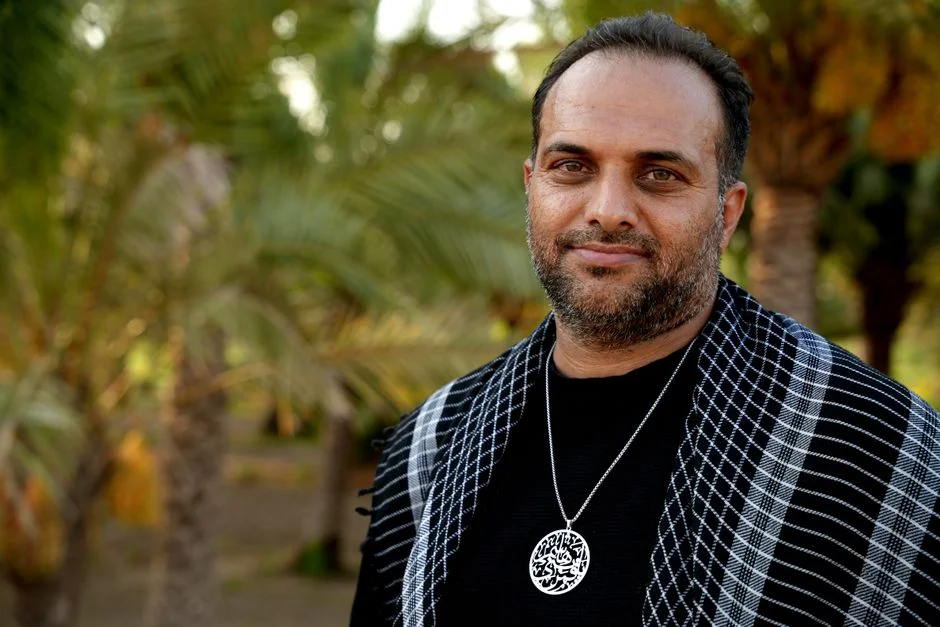
Guineans participated in crucial legislative and municipal elections on Sunday, a significant step in the country's political transition following a military coup in 2021. As the counting of votes begins, citizens await the outcomes that could reshape the political landscape of Guinea.
Election Context and Background
The elections occur after two years of military rule, which followed the ousting of President Alpha Conde. This vote marks the first legislative elections since Conde's departure, making it crucial for the military junta to establish a more credible political process. With an estimated 12 million registered voters, the stakes are high as Guineans seek to return to democratic governance.

Voters in cities like Conakry and Kankan cast their ballots to choose representatives for the National Assembly and local councils. The elections are pivotal, as they will define the power dynamics in Guinea's future government and potentially lead to a timetable for a return to civilian rule.
Key Players in the Elections
Several political parties are vying for power in these elections, including the National Rally of the Development Party (Rassemblement National des Démocrates) and the Union of Democratic Forces of Guinea (Union des Forces Démocratiques de Guinée). The military government has also introduced a new electoral commission to oversee the elections, aiming to build public trust.
Colonel Mamady Doumbouya, the head of the junta, has promised to restore civilian rule, but many Guineans remain cautious. The military's ability to manage the elections is under scrutiny, and the results will be critical in determining its legitimacy.
Citizen Engagement and Expectations
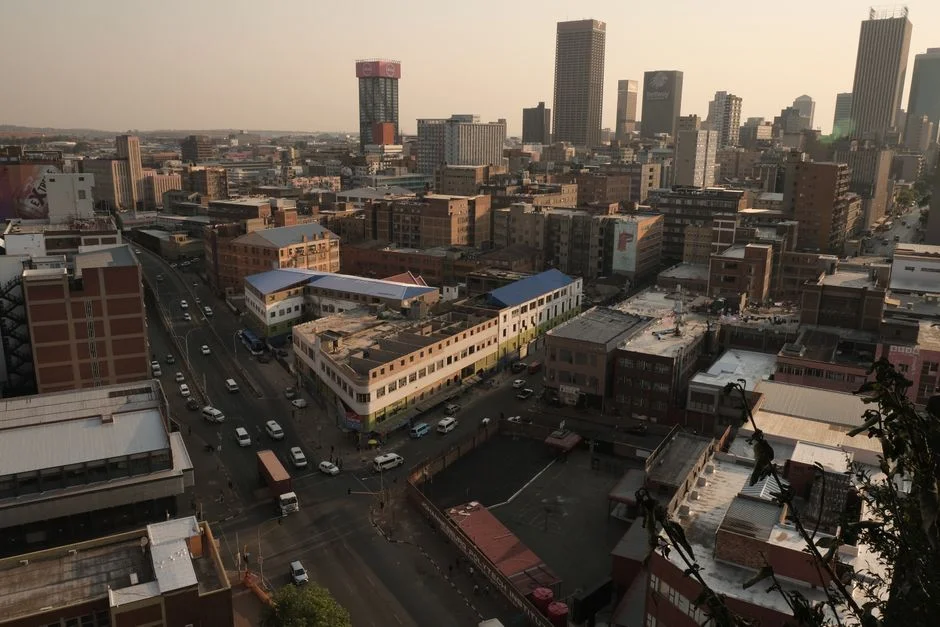
Many Guineans expressed hope for a clearer political future during the run-up to the elections. Some voters reported feeling optimistic for the first time in years. “We are here to vote for change,” said Aminata Diallo, a resident of Conakry. “We want our voices to be heard.”
The turnout rate for these elections is expected to be significant, reflecting a strong desire among Guineans for democratic representation. Over 2,400 candidates have registered to contest the available seats, indicating robust civic engagement.
Potential Challenges Ahead
Despite the hopeful atmosphere, challenges loom on the horizon. Reports of logistical issues and tensions at some polling stations were noted, which could influence voter turnout and the legitimacy of the results. Observers from various organisations, including the West African Economic Community, are monitoring the process closely to ensure fairness and transparency.
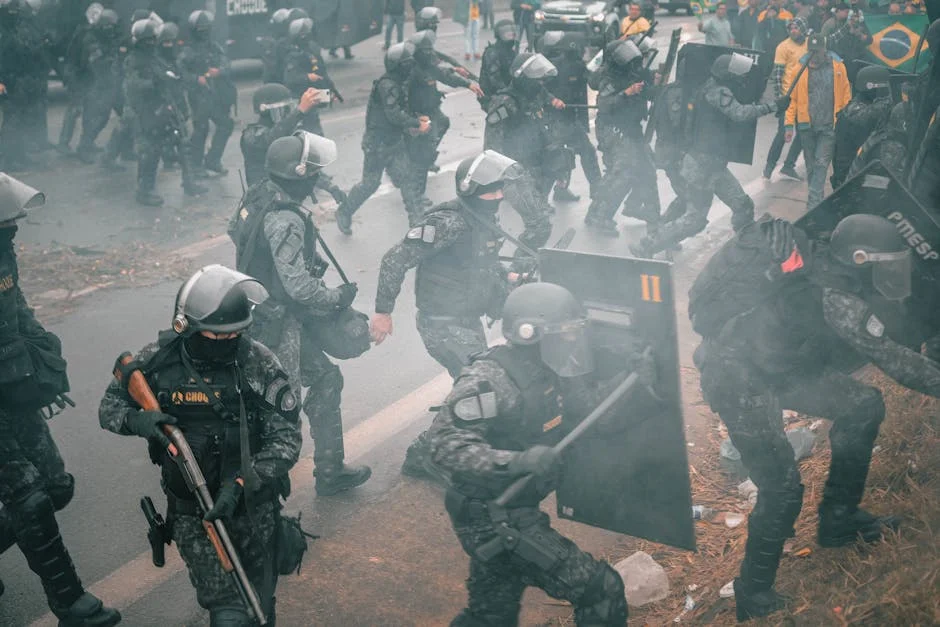
Moreover, the potential for unrest remains a concern, particularly if the election results are contested. The military junta has previously faced criticism for its handling of protests, and any sign of dissent could lead to further instability.
What’s Next for Guinea?
As counting continues, Guineans await the official announcement of results, expected later this week. The outcome will not only shape the parliament but also influence Guinea's path towards restoring democracy and governance stability.
All eyes will be on the electoral commission as it releases the results, which could lead to significant political shifts. Meanwhile, international observers will monitor the post-election environment closely to assess its regional implications.
See Also
- Stormers Prop Neethling Fouche Confirms Team's Commitment to Champions Cup
- Ukraine Forces Robot Assault Wave — Battlefield Changes Forever