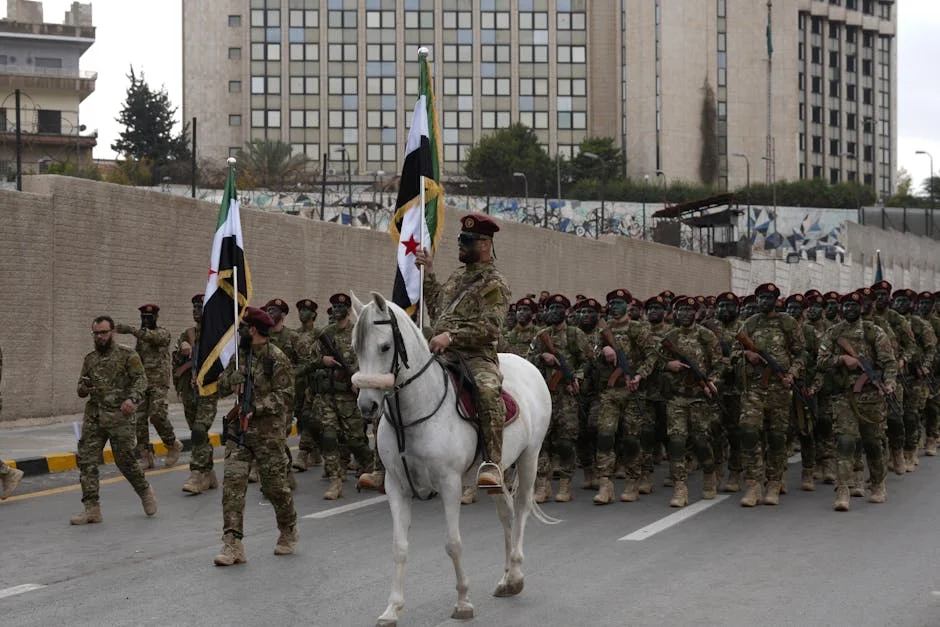
Ukrainian forces have launched a coordinated assault using hundreds of unmanned ground vehicles and aerial drones, marking a decisive shift in the conflict in Eastern Europe. This operation near Bakhmut demonstrates how mechanized units are reducing human casualties while increasing the tempo of combat. The deployment signals a permanent change in military strategy for both Kyiv and Moscow.
Robot Warfare Defines Modern Combat
The battlefield in Ukraine has evolved rapidly from a war of attrition to a high-tech contest of endurance. Military analysts observe that unmanned systems now account for nearly half of all reconnaissance missions. This reduction in human exposure allows soldiers to hold positions longer with fewer injuries. The integration of technology into infantry tactics is no longer an experimental phase but a daily necessity.
President Volodymyr Zelensky has emphasized the importance of technological adaptation in recent addresses. He stated that the future of Ukrainian defense relies on the ability to produce and deploy autonomous systems at scale. This strategic focus has led to increased investment in local engineering firms and foreign defense contractors. The goal is to create a self-sustaining ecosystem of robotic warfare tools.
Operational Details in the East
Recent operations near the city of Bakhmut showcase the practical application of these robotic forces. Ukrainian troops deployed swarms of quadcopters to drop grenades on entrenched Russian positions. Simultaneously, tracked unmanned ground vehicles advanced to clear minefields that previously stalled infantry progress. This coordinated approach allowed for a faster advance than traditional infantry movements alone.
The use of these machines has changed the rhythm of fighting on the front lines. Soldiers report that drones provide continuous surveillance, reducing the element of surprise for the enemy. Ground robots can move under fire, carrying supplies or evacuating wounded personnel without risking a driver. This flexibility is crucial in the dense urban terrain of the Donbas region.
Impact on Troop Morale and Strategy
The introduction of robots has had a profound effect on soldier morale. Knowing that a machine can scout ahead or clear a path reduces the psychological burden on infantry units. Commanders can make more informed decisions because they have real-time data from multiple aerial perspectives. This clarity reduces the fog of war that often leads to costly mistakes.
Strategic planning has also shifted to accommodate these new assets. Logistics chains now include batteries, propellers, and electronic components alongside traditional ammunition. Training programs for pilots and operators have expanded to include specialized schools in Kyiv and Lviv. The military is integrating these skills into the core curriculum for new recruits.
Technological Innovation and Production


Ukraine has become a testing ground for military technology from around the world. Companies from the United States, Europe, and Asia are sending their latest models to the front lines. This influx of hardware has accelerated the rate of innovation and adaptation. Engineers can test prototypes in real-time conditions and send feedback directly to manufacturers.
Local production has also surged to meet the demand for unmanned systems. Factories in Dnipro and Kharkiv are churning out drones and ground robots at an impressive pace. These local units are often customized to suit the specific needs of different brigades. This customization allows for greater flexibility and faster repair times compared to imported models.
Challenges Facing Robotic Forces
Despite their advantages, robotic forces face several significant challenges. Electronic warfare remains a major threat, with Russian jammers disrupting drone signals frequently. This interference can cause drones to lose their way or drop their payload prematurely. Engineers are constantly updating software to counter these jamming techniques.
Maintenance and logistics also pose difficulties for the Ukrainian military. The sheer volume of drones lost in combat requires a steady stream of replacements. Supply chains must be robust enough to deliver batteries and spare parts to the front lines daily. Any disruption in these supplies can quickly reduce the effectiveness of the robotic assault.
Strategic Implications for the War
The success of robotic operations has broader implications for the overall war effort. By reducing human casualties, Ukraine can sustain its fighting strength for a longer period. This endurance is critical in a conflict where both sides are leveraging their industrial and demographic advantages. The ability to fight with fewer lives lost gives Ukraine a strategic edge.
Furthermore, the use of robots allows for more precise strikes on enemy positions. This precision reduces collateral damage in populated areas, which is important for maintaining civilian support. It also allows commanders to target high-value assets, such as command posts or artillery batteries, with greater accuracy. This targeting efficiency can disrupt enemy coordination and logistics.
Global Attention and Future Trends
The war in Ukraine is attracting global attention for its technological innovations. Military observers from NATO countries are studying the use of drones and ground robots closely. They are analyzing how these systems can be integrated into their own forces for future conflicts. The lessons learned in Ukraine are likely to shape military doctrine worldwide.
President Zelensky continues to highlight these developments in his communications with international partners. He argues that the war is not just about territorial gains but also about defining the future of warfare. This narrative helps to secure continued financial and technological support from allies. The success of robotic forces serves as tangible proof of Ukraine’s resilience and innovation.
Looking Ahead to the Next Phase
The next phase of the war will likely see an even greater reliance on unmanned systems. Both Ukraine and Russia are investing heavily in new technologies to gain an upper hand. The race to develop more autonomous and intelligent machines is intensifying. This competition will drive further innovation and change the nature of combat.
Readers should watch for announcements regarding new drone models and ground robots in the coming months. The integration of artificial intelligence into these systems could lead to even greater efficiency. The outcome of this technological race will have significant implications for the duration and intensity of the conflict. Staying informed about these developments is key to understanding the future of the war in Ukraine.
See Also
- Indian Airlines Demand Government Intervention as Fuel Costs Soar
- Parliament Extends Deadline for Ad Hoc Committee — What’s at Stake Now?
This customization allows for greater flexibility and faster repair times compared to imported models. Challenges Facing Robotic Forces Despite their advantages, robotic forces face several significant challenges.
What is the latest news about ukraine forces robot assault wave battlefield changes forever?
Why does this matter for politics-governance?
What are the key facts about ukraine forces robot assault wave battlefield changes forever?