The World Health Organization (WHO) director-general, Dr. Tedros Adhanom Ghebreyesus, expressed confidence on Wednesday that the ongoing Ebola outbreak in the Democratic Republic of Congo (DRC) can be contained swiftly. The outbreak, declared on October 8, 2023, has resulted in a total of 14 confirmed cases, leading to five reported deaths in the northwestern province of Équateur.
Context of the Outbreak
The outbreak emerged in the town of Mbandaka, located along the Congo River, a vital waterway for transport and trade in the region. Given the proximity to urban areas and past experiences with Ebola, health officials remain cautious. The DRC has faced multiple Ebola outbreaks in the past, with the most severe one occurring in 2018–2020, claiming over 2,200 lives.
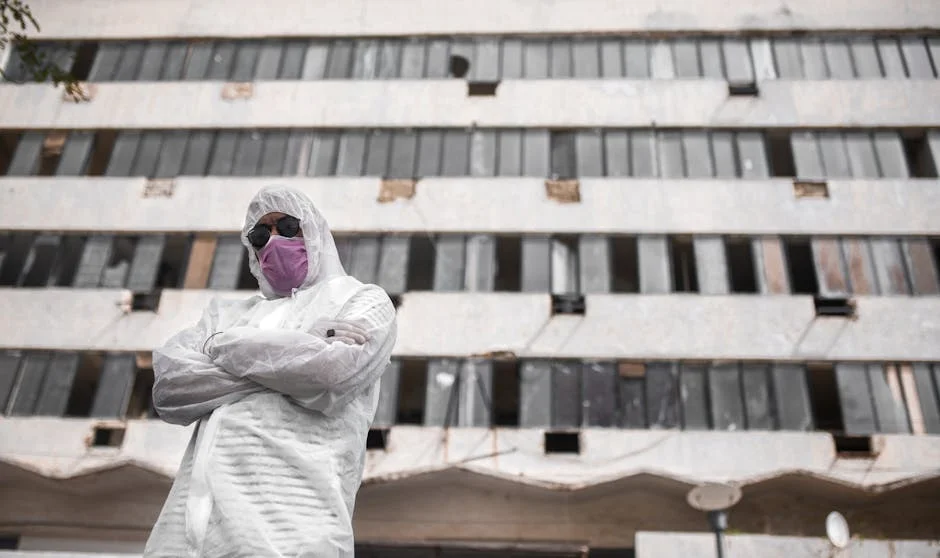
The WHO and local health authorities have initiated a robust response, including vaccination campaigns and community education efforts. Approximately 1,000 doses of the Ebola vaccine have already been administered in Mbandaka, focusing on high-risk individuals such as health workers and contacts of confirmed cases.
Why This Matters
The current outbreak underscores the persistent threat of Ebola in Central Africa. It highlights the need for continuous surveillance and preparedness, especially in a country where the healthcare system is fragile due to ongoing conflict and economic instability. The DRC's challenges are compounded by its geographical size and limited access to healthcare services in remote regions.
Dr. Tedros emphasized the importance of rapid action, stating, "We have the tools and knowledge to stop this outbreak, but we need immediate cooperation from the community and swift action on the ground." His remarks highlight the global community's commitment to combating infectious diseases.
Impacts Beyond the DRC


The implications of this outbreak extend beyond the DRC's borders. Uganda, which shares a border with the DRC, is on high alert, having implemented enhanced border surveillance and precautionary measures to prevent potential cross-border transmission. Health officials in Uganda are preparing for any possible influx of cases, which could strain their healthcare resources.
This outbreak also raises concerns regarding how health issues in the DRC can affect the United States. Historically, outbreaks like this can prompt international health alerts, impacting global trade and travel. The United States, along with other nations, keeps a close watch on Ebola outbreaks due to the potential for rapid spread.
Community Response
Local communities play a crucial role in controlling the spread of Ebola. Health teams are working tirelessly to educate residents about the virus, its symptoms, and how to seek help. Many community leaders have stepped up to promote vaccination and safer hygiene practices.
However, misinformation continues to pose a challenge. Some residents remain skeptical of the government and external health interventions. To counter this, WHO officials are collaborating with local leaders to foster trust and encourage community buy-in for health initiatives.
Next Steps for Containment
The WHO and DRC's Ministry of Health are closely monitoring the situation. As of now, efforts to contain the outbreak are intensifying, with additional support from international partners being mobilised. Health authorities aim to isolate new cases quickly and vaccinate all potential contacts.
Looking ahead, the health community is preparing for further developments. By the end of the week, a new round of vaccination campaigns is expected to launch, which could reach more isolated communities in Équateur province.
What to Watch
The situation in the DRC remains fluid, with health officials urging vigilance and public cooperation. As vaccination efforts continue and the impact of community outreach unfolds, health authorities are keenly watching for any sign of increased cases or public compliance with health guidelines.
The outcome of this outbreak could set a precedent for how future Ebola incidents are managed, both locally and globally. Immediate cooperation from the community and ongoing international support will be critical in the coming weeks.
See Also
- New Epilepsy Drug Boosts Families' Outlook as Market Sees Growth Opportunities
- India Turns to Nigeria for Soybeans Amid Domestic Supply Shortages
As vaccination efforts continue and the impact of community outreach unfolds, health authorities are keenly watching for any sign of increased cases or public compliance with health guidelines.The outcome of this outbreak could set a precedent for how future Ebola incidents are managed, both locally and globally. Immediate cooperation from the community and ongoing international support will be critical in the coming weeks.
What is the latest news about who chief confirms end of ebola threat in dr congo amid outbreak?
Why does this matter for health-medicine?
What are the key facts about who chief confirms end of ebola threat in dr congo amid outbreak?