Ferrari’s recent foray into electric vehicles has backfired, resulting in a staggering loss of $2 billion in market value. The backlash followed the launch of its Luce electric vehicle, which faced criticism from automotive purists and investors alike. This unexpected financial downturn raises questions about Ferrari's strategy and its implications for the luxury car market.
Luce EV Launch and Immediate Reaction
The launch of the Luce, Ferrari's first electric vehicle, took place on September 20, 2023, during a high-profile event in Maranello, Italy. While the brand aimed to capture a segment of environmentally conscious consumers, many traditional Ferrari enthusiasts expressed disappointment over the departure from the brand's iconic petrol-powered heritage.
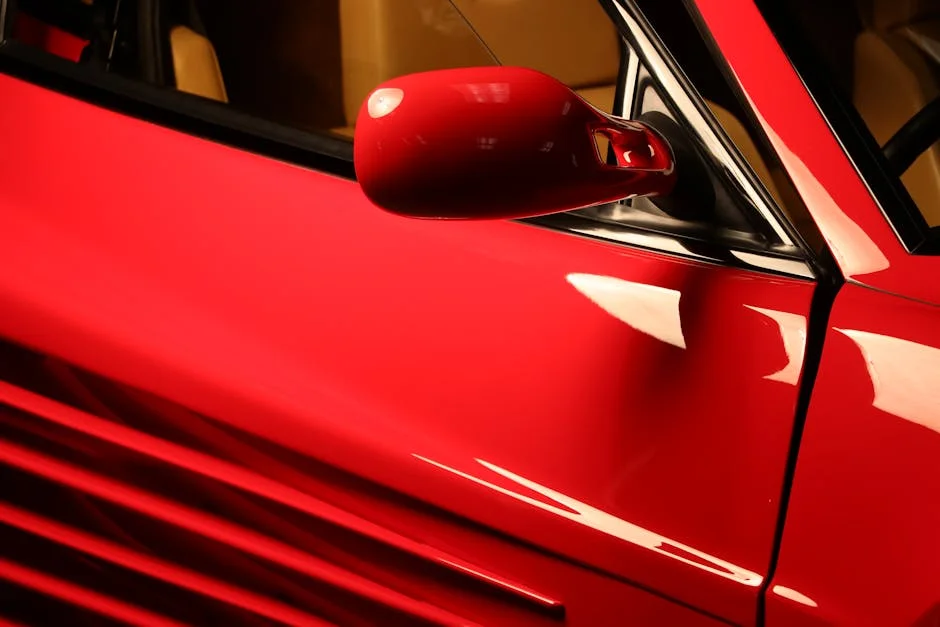
Criticism has highlighted the belief that Ferrari is straying from its performance-first philosophy, with some fans questioning whether the electric model can uphold the brand's legendary status. This backlash was amplified on social media platforms, where hashtags like #LuceDisappointment trended shortly after the vehicle's introduction.
Financial Impact and Market Response
Following the backlash, Ferrari's stock price fell by nearly 10%, equating to a $2 billion loss in market valuation. This decline has raised eyebrows among analysts who are warning that the brand's shift towards electric vehicles may alienate its core customer base. The iconic brand, known for its performance and luxury, is now in a precarious position as it attempts to navigate this new market landscape.
“Ferrari’s identity has always been tied to its internal combustion engines,” said Mark Reynolds, a London-based automotive analyst. “Shifting too quickly to electric could risk disillusioning long-time fans and investors.”
Context of the Electric Vehicle Market


The electric vehicle market has seen exponential growth over the past few years, driven by increasing consumer demand for environmentally friendly options and government incentives aimed at reducing carbon emissions. In the United States alone, electric vehicle sales were projected to exceed 2 million units in 2023, up 50% from the previous year.
Despite this surge, luxury brands like Ferrari must tread carefully. While embracing sustainability is important, it must be done in a way that retains the essence of what makes them unique. The challenge is particularly acute in the luxury segment, where brand loyalty is often built on heritage and performance.
Responses from Stakeholders
Ferrari's management team has acknowledged the backlash but remains optimistic about the Luce's potential to capture a new demographic of drivers. CEO Benedetto Vigna stated in a recent earnings call that the company is committed to expanding its electric offerings while ensuring that they align with the brand’s performance standards.
Vigna emphasised that innovation is critical for Ferrari's future, stating, “We will not compromise on performance. The transition to electric is not just about sustainability; it’s about enhancing the driving experience.”
Comparative Analysis with Competitors
Other luxury brands, such as Tesla and Porsche, have successfully embraced electric technology without alienating their customer base. For instance, Tesla's Model S remains a high-performance vehicle that has successfully integrated electric power without sacrificing speed or luxury. Meanwhile, Porsche's Taycan has garnered positive reviews for its blend of performance and sustainability.
Ferrari's challenge will be to find a balance between maintaining its brand identity and meeting the demands of a changing market. Analysts suggest that a slower transition, allowing time to develop the technology while preserving tradition, could yield better results.
Broader Implications for the Automotive Sector
The repercussions of Ferrari's struggles with the Luce extend beyond its financial statements. They may signal a broader trend in the automotive industry where traditional luxury brands face increasing pressure to adapt to a rapidly evolving market landscape. The push for electric vehicles is not merely a trend but a significant shift that will redefine consumer expectations.
Furthermore, the backlash experienced by Ferrari might deter other luxury brands from hastening their own electric vehicle rollouts, causing a shift in strategy within the sector.
What to Watch Next
Moving forward, industry observers will be closely monitoring Ferrari's next steps regarding the Luce and its overall electric vehicle strategy. The company is expected to provide updates on its performance and sales projections during the next earnings call scheduled for November 15, 2023. How Ferrari addresses the current backlash will be pivotal in shaping its future in the electric vehicle market.
See Also
- Carry Trade Rebounds as Real and Rand Lead Emerging Market Surge
- India's Shortest National Highway Unveiled in Kochi
Analysts suggest that a slower transition, allowing time to develop the technology while preserving tradition, could yield better results.Broader Implications for the Automotive SectorThe repercussions of Ferrari's struggles with the Luce extend beyond its financial statements. The push for electric vehicles is not merely a trend but a significant shift that will redefine consumer expectations.Furthermore, the backlash experienced by Ferrari might deter other luxury brands from hastening their own electric vehicle rollouts, causing a shift in strategy within the sector.What to Watch NextMoving forward, industry observers will be closely monitoring Ferrari's next steps regarding the Luce and its overall electric vehicle strategy.