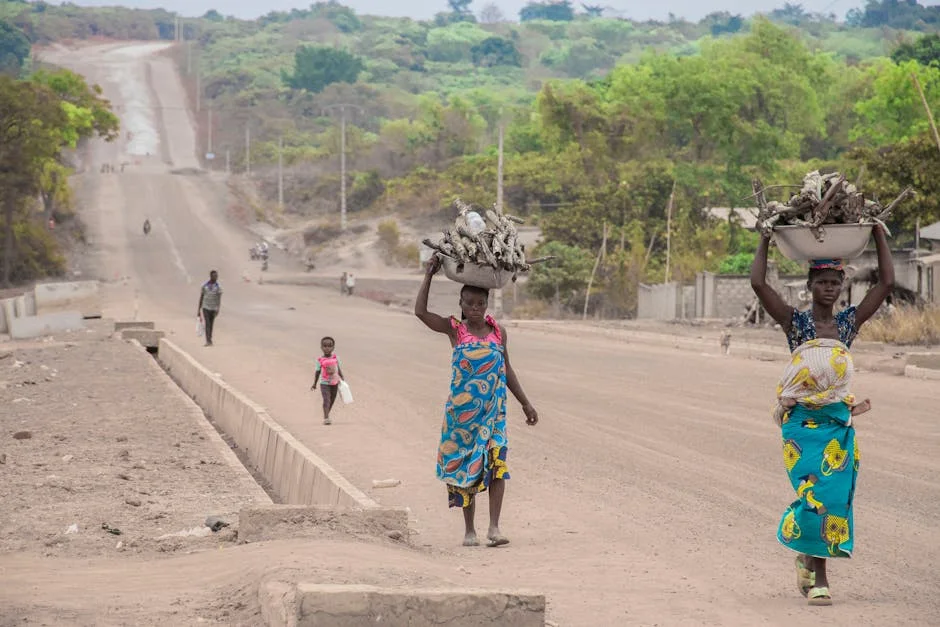
The Ebola virus has surged through the eastern Democratic Republic of Congo, infecting residents in Goma and triggering a wave of fear that officials describe as unprecedented. Health workers in North Kivu province have confirmed dozens of new cases in the past week, pushing the outbreak to its highest intensity in nearly a decade. Local authorities have imposed strict movement controls to contain the spread, but the sheer speed of the virus has caught many by surprise.
Outbreak Intensifies in Goma
Health officials reported a sharp increase in confirmed cases last Tuesday. The virus, which had previously been contained in smaller villages, has now reached the city of Goma. This development changes the trajectory of the outbreak significantly because Goma is a major transportation hub with a population exceeding two million people. The city connects to neighboring Rwanda and Uganda, raising immediate concerns about cross-border transmission.
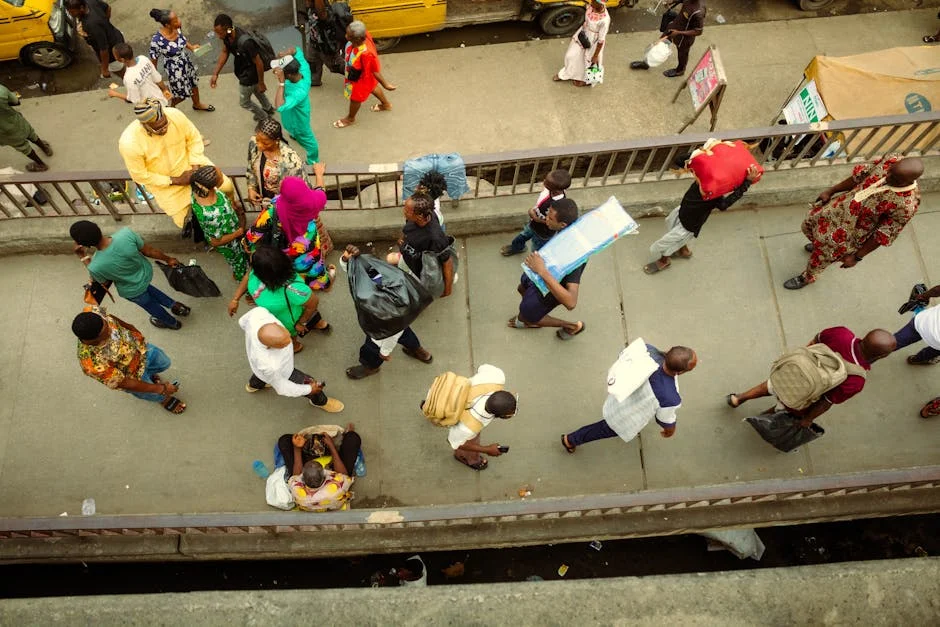
Residents in the outskirts of Goma have begun fleeing to neighboring villages. Some locals have set up makeshift checkpoints to screen travelers before they enter their communities. The fear is palpable in markets and bus stations. People wear face masks and rubber gloves, simple barriers against a virus that often kills before symptoms even appear. The psychological toll is as heavy as the physical one.
Local Response and Challenges
Local health centers are struggling to keep up with the influx of patients. The Ministry of Health in Kinshasa has deployed additional medical teams to the region. These teams include doctors, nurses, and community health workers trained in infection control. They are setting up isolation units in schools and churches to separate the sick from the healthy. Resources remain stretched thin as the number of cases climbs.
Community leaders have played a vital role in calming nerves. Village elders hold town hall meetings to explain the symptoms and the treatment process. They urge residents to trust the health workers despite past skepticism. This grassroots effort is essential because the Ebola virus spreads through direct contact with bodily fluids. Without community buy-in, even the best medical interventions can fail.
Why This Outbreak Matters
The return of Ebola to the DRC is not just a local health crisis. It is a test of the region's resilience after years of political instability and economic strain. The Democratic Republic of Congo has faced multiple Ebola outbreaks since 2013. Each time, the virus exposed weaknesses in the healthcare infrastructure. This latest surge highlights the need for sustained investment in public health systems across Central Africa.
The economic impact is also significant. Businesses in Goma have seen a drop in customers as people stay home to avoid infection. Supply chains are disrupted because trucks move slower due to roadblocks. This affects food prices and the availability of essential goods. The ripple effects extend beyond the immediate vicinity of the outbreak, impacting trade routes that serve much of the eastern Congo.
International observers are watching closely to see how the response unfolds. The World Health Organization has declared the situation a public health emergency of regional concern. This designation unlocks additional funding and technical support. It also signals to the global community that the threat is not contained and requires coordinated action. The stakes are high for both the local population and the broader region.
Historical Context of the Virus

Ebola first appeared in the Democratic Republic of Congo in 1995. It returned in 2018, marking the second-largest outbreak in history. That epidemic lasted for 16 months and claimed nearly 3,000 lives. The current outbreak shares similarities with the 2018 surge. Both occurred in the same eastern region, which is characterized by dense forests and a mix of urban and rural settlements. The geography makes containment difficult because people move frequently for work and trade.
The 2018 outbreak was notable for the use of two experimental vaccines. The rVSV-ZEBOV vaccine proved highly effective in halting transmission. Health workers used a strategy called "ring vaccination," where they vaccinated contacts of confirmed cases and their contacts' contacts. This method created a buffer zone around the virus. The success of this approach gave hope that the current outbreak could be managed with similar precision.
However, challenges persist. The eastern DRC remains one of the most volatile regions in Africa. Armed groups control large swaths of land, often disrupting health campaigns. Mistrust of government officials is common, partly due to political tensions and partly due to historical grievances. These factors complicate the effort to track down every case and isolate them quickly. The virus exploits these social fractures to spread.
Public Fear and Social Dynamics
Fear is a powerful driver of behavior during an Ebola outbreak. In Goma, residents have adopted various strategies to protect themselves. Some have boiled their clothes and furniture, believing the heat kills the virus. Others have avoided handshakes, opting for elbow bumps instead. These behaviors reflect a deep-seated anxiety about an invisible enemy. The psychological impact can be as debilitating as the disease itself.
Social media has played a mixed role in shaping public perception. WhatsApp groups and Facebook pages are buzzing with news updates, rumors, and personal stories. This digital connectivity helps spread information quickly. But it also allows misinformation to flourish. False cures and exaggerated death tolls circulate widely, sometimes causing panic. Health officials are working to counter these narratives with clear, consistent messaging.
The fear extends beyond the immediate symptoms of the virus. Many residents worry about the economic consequences. Small business owners fear that customers will stay away. Parents worry that their children’s education will be disrupted if schools close. These concerns add to the overall sense of uncertainty. The outbreak is not just a medical event; it is a social and economic shock.
International Aid and Coordination
International aid organizations have mobilized quickly to support the response. The World Health Organization has sent teams of experts to assess the situation. They are working with the Congolese Ministry of Health to coordinate efforts. The United Nations Children's Fund (UNICEF) is focusing on water, sanitation, and hygiene (WASH) interventions. These are critical because clean water reduces the risk of transmission in households and health centers.
Non-governmental organizations (NGOs) are also on the ground. Groups like Médecins Sans Frontières (Doctors Without Borders) have set up treatment centers. They provide medical care and support for families of the deceased. These organizations bring specialized skills and resources that complement the efforts of local health workers. Their presence helps to alleviate the pressure on the public health system.
Diplomatic efforts are underway to secure border controls. Neighboring countries like Rwanda and Uganda are screening travelers coming from Goma. This cooperation is essential to prevent the virus from jumping borders. The regional body, the Economic Community of Central African States (ECCAS), has also convened emergency meetings to discuss a coordinated response. The goal is to create a unified front against the virus.
What To Watch Next
The coming weeks will be critical in determining the trajectory of the outbreak. Health officials are monitoring the number of new cases each day. They are also tracking the effectiveness of the vaccination campaign. If the number of cases continues to rise, more aggressive measures may be needed. These could include curfews, market closures, and even the suspension of public transportation.
Residents in Goma should stay informed through official channels. The Ministry of Health releases daily updates on the situation. Local radio stations and social media pages are also good sources of information. People are encouraged to practice good hygiene and seek medical attention if symptoms appear. Early detection is key to stopping the spread.
The global community will be watching to see how the Democratic Republic of Congo manages this crisis. The outcome will have implications for public health policy and regional stability. It will also serve as a test case for future outbreaks in other parts of Africa. The lessons learned here could shape how the world responds to infectious diseases in the years to come. Keep an eye on the daily case counts and the status of the vaccination drive in the North Kivu province.
See Also
- UK Government Axes Global Health Workforce Programme, Sparks Market Concerns
- Homba Mazaleni Triggers Frenzy with Top Billing Audition Video