UNAIDS has welcomed South Africa's rollout of Lenacapavir, calling it a landmark moment in the fight against HIV. The long-acting antiretroviral injection, administered as a twice-yearly subcutaneous dose, represents a significant shift from daily oral PrEP options currently available across sub-Saharan Africa.
The launch positions South Africa among the first countries globally to integrate Lenacapavir into its national HIV prevention programme. Health officials say the drug's durability and simplified dosing schedule could address one of the biggest challenges in HIV prevention: adherence.
What Is Lenacapavir and Why Does It Matter?
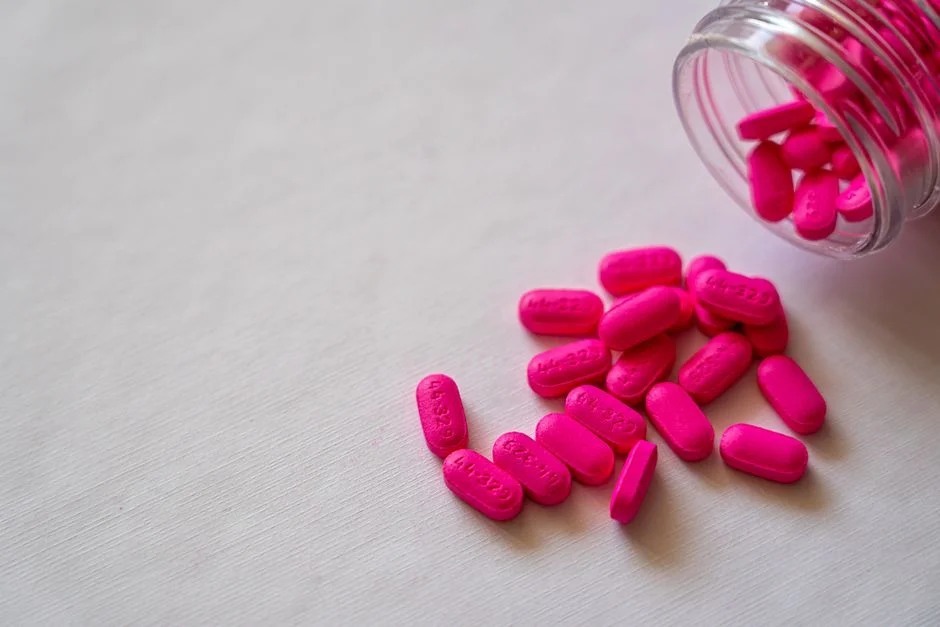
Lenacapavir works differently from daily oral prophylaxis. The drug binds to the HIV capsid protein, disrupting multiple stages of the viral lifecycle. Clinical data submitted to regulators showed it achieved high rates of protection when administered every six months, making it particularly suitable for populations who face barriers to daily medication compliance.
South Africa's health authorities approved the drug for use in late 2024, following a review of phase three trial results. The Ministry of Health has described the injection as a complementary tool within a broader HIV prevention strategy that includes condoms, testing, and oral prophylaxis options.
UNAIDS Response and What It Signals
The United Nations Joint Programme on HIV/AIDS issued a statement praising the rollout, framing it as a demonstration of South Africa's continued leadership in HIV response. The organisation noted that expanding prevention options aligns with its global target of reducing new infections by 2030.
UNAIDS Executive Director Winnie Byanyima said the introduction of a twice-yearly option could prove particularly valuable in communities where daily pill-taking carries stigma or practical difficulties. The statement stopped short of setting specific coverage targets but acknowledged that supply capacity would be a key factor in determining how quickly the drug reaches those most at risk.
Addressing Access and Equity Concerns


Global health advocates have flagged that affordability remains a central question. Oral PrEP programmes in sub-Saharan Africa have relied heavily on donor funding and subsidised pricing agreements. Lenacapavir's cost structure as a biologic injection presents a different set of procurement challenges.
South Africa's health ministry has not disclosed the per-dose pricing for the national programme. Generic manufacturers have signalled interest in producing biosimilar versions, a process that typically requires several years of development and regulatory review. Until lower-cost options reach the market, access will likely be concentrated in the public sector initially.
How It Fits Into South Africa's HIV Strategy
South Africa carries the world's largest HIV epidemic by absolute numbers, with roughly 7.5 million people living with the virus. The country has made substantial progress in treatment coverage over the past decade, driven by widespread antiretroviral therapy rollout and major investments in testing infrastructure.
Prevention, however, remains an area where progress has been uneven. New infection rates among adolescent girls and young women in certain provinces have stayed stubbornly high despite awareness campaigns and oral PrEP availability. Health officials have repeatedly cited adherence challenges as a reason why oral prophylaxis has not translated into the reductions hoped for.
The introduction of a twice-yearly injection aims to address exactly that gap. Researchers working on implementation studies in KwaZulu-Natal and Gauteng have noted that reducing dosing frequency appears to improve sustained uptake in real-world settings.
Global Context and What Comes Next
South Africa's rollout follows approvals in several high-income countries. The United States Food and Drug Administration cleared Lenacapavir for HIV prevention in late 2023, and the European Medicines Agency issued a positive opinion shortly afterward. What makes South Africa's decision notable is the scale of its epidemic and the potential for a large-volume programme to influence global pricing negotiations.
Gilead Sciences, which developed the drug, has entered licensing agreements with generic manufacturers for distribution in low-income countries. Those agreements cover a set of countries but have faced criticism from advocacy groups who argue the excluded middle-income nations still carry substantial HIV burdens.
South Africa was not excluded from those agreements, though implementation timelines have been slower than some advocates hoped. The current rollout represents the first major step toward making the drug available through the public health system rather than through private pharmacies or research programmes alone.
What Watchers Should Track in the Coming Months
Several questions will determine whether Lenacapavir's introduction makes a meaningful dent in South Africa's infection rates. The health ministry is expected to publish implementation guidelines outlining which populations will be prioritised for the initial rollout phases. Those guidelines will signal whether the programme targets high-incidence groups or takes a broader approach.
Supply chain logistics present another practical challenge. The injection requires cold-chain storage and trained healthcare workers for administration. Expanding beyond well-resourced urban clinics to rural facilities will demand investment in infrastructure and staff training.
Tracking uptake and adherence data will be critical. If early results show strong retention rates, it could accelerate efforts to bring the drug to other sub-Saharan African countries. If dropout rates mirror those seen with oral PrEP, donors and ministries will need to reassess their prevention investment strategies.
UNAIDS has said it will monitor the rollout and publish periodic updates on coverage and impact. The next major data point is expected sometime in the second half of the year, when the first full cycle of injections will have been completed across initial implementation sites.
See Also
- Luis Enrique Declares Arsenal-PSG Final Too Close to Call Ahead of Match
- Colombia's Leftist Senator Cepeda Challenges Pro-Trump Rival in Presidential Runoff