Biovac has officially commenced operations at its new vaccine manufacturing facility in Cape Town, signaling a major shift in South Africa's healthcare infrastructure. This development is set to generate approximately 1,500 jobs within the Western Cape province, addressing a critical need for local employment in the post-pandemic economy. The company announced the launch this week, confirming that production lines for its flagship COVID-19 vaccine and new flu formulations are now active.
Biovac's New Manufacturing Hub Takes Shape
The facility represents a significant investment in local pharmaceutical capacity. Biovac, a biopharmaceutical company headquartered in Cape Town, spent over $400 million to develop this state-of-the-art plant. The site covers a large area in the Atlantic Seaboard industrial zone and features advanced cold-chain storage units essential for vaccine stability. This infrastructure allows South Africa to reduce its reliance on imported doses from European and Asian manufacturers.
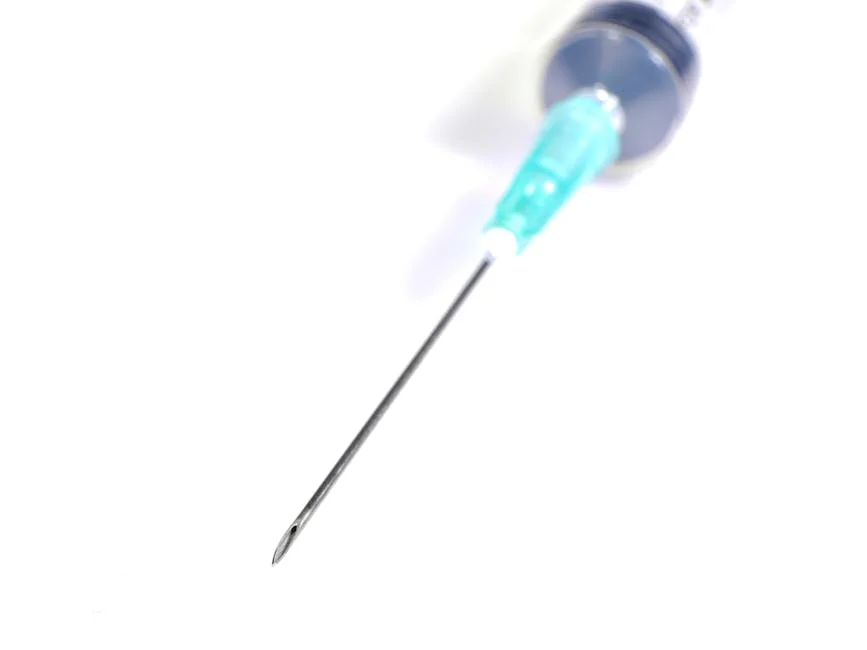
Company executives highlighted the strategic importance of this location. Cape Town offers a robust logistics network and a skilled workforce, making it an ideal base for export-oriented production. The plant is designed to produce up to 10 million doses annually, a figure that could double within three years as demand for the AstraZeneca-based Vaxzevria vaccine stabilizes. This capacity positions the region as a potential hub for the broader African market.
Local government officials have welcomed the move. The Western Cape Department of Economic Development noted that the project aligns with regional goals to boost high-value manufacturing. They emphasized that the facility will not only create direct roles but also stimulate growth in supporting sectors such as logistics, packaging, and clinical research. This multi-layered economic impact is expected to ripple through the local community.
Job Creation and Local Economic Impact
The employment figures are central to this story. Biovac confirmed that the initial phase of hiring will focus on skilled technicians, laboratory scientists, and quality control experts. These roles typically offer higher wages than average in the Cape Town labor market, potentially raising the standard of living for hundreds of families. The company plans to recruit locally, prioritizing graduates from nearby universities like Stellenbosch and the University of Cape Town.
Workforce Composition and Training
Beyond direct hires, the project includes a structured training program for mid-level staff. Biovac has partnered with technical colleges to create apprenticeship schemes aimed at reducing the local unemployment rate among youth. These initiatives are designed to build a sustainable talent pipeline, ensuring the plant can operate efficiently for decades. The focus is on creating long-term careers rather than temporary positions.
Unions have reacted positively to the announcement. The Southern African Federation of General Workers stated that the job creation targets are ambitious but achievable. They are currently negotiating with management to secure better benefits and job security clauses for the new employees. This collaboration between labor and management suggests a stable working environment for the facility's first few years.
Economists view this as a win for the Western Cape's GDP. The injection of capital and the addition of high-skilled jobs are expected to increase household spending power in the region. Local businesses, from restaurants to retail stores, are likely to see increased foot traffic as the new workforce settles into the area. This localized economic boost is a key argument for further public investment in healthcare infrastructure.
Strategic Importance for South Africa's Health Sector

This project addresses a long-standing vulnerability in South Africa's health system: dependency on foreign vaccine supplies. During the peak of the pandemic, delays in shipments from the UK and EU caused significant disruption to immunization drives. By producing vaccines domestically, South Africa gains greater control over its supply chain and can respond more quickly to emerging health threats. This autonomy is crucial for a country with a diverse population and varied disease profiles.
Biovac's analysis of the market indicates a growing demand for localized production. The company cites the need for tailored vaccine formulations that address specific regional strains of influenza and other respiratory viruses. Their research teams are already working on new candidates that target these local variations. This scientific approach ensures that the vaccines produced in Cape Town are highly effective for the South African population.
The South African Department of Health has endorsed the initiative. Officials stated that having a domestic manufacturer reduces the financial burden of importing doses and allows for better price negotiation. This cost efficiency can be passed on to the public healthcare system, making vaccines more accessible to lower-income households. The government sees this as a model for other medical products, such as generic drugs and diagnostic kits.
Challenges and Market Dynamics
Despite the optimism, challenges remain. The global vaccine market is highly competitive, with major players like Pfizer and Moderna dominating the landscape. Biovac must ensure that its products maintain high quality standards to compete internationally. The company is undergoing rigorous clinical trials to validate the efficacy of its newer formulations, a process that requires significant funding and time. Any setbacks in these trials could impact the plant's long-term profitability.
Supply chain logistics also pose a risk. The facility relies on raw materials sourced from various countries, including China and Europe. Fluctuations in global trade relations or shipping costs could affect production schedules. Biovac has mitigated this risk by diversifying its supplier base and establishing strategic reserves of key ingredients. These measures aim to ensure continuity of production even during periods of global uncertainty.
Financial sustainability is another key factor. While the initial investment was substantial, the company needs consistent revenue streams to keep the lights on. Biovac is exploring partnerships with international health organizations and governments to secure long-term contracts. These agreements would provide the financial stability needed to expand production and invest in research and development. The success of these negotiations will be critical for the company's future.
Implications for Regional Health Security
The impact of Biovac's project extends beyond South Africa's borders. Neighboring countries in the Southern African Development Community (SADC) are looking to the Cape Town plant as a potential regional hub. This could lead to increased trade and cooperation in health matters across the continent. By exporting vaccines to countries like Namibia, Botswana, and Lesotho, Biovac can help strengthen the immune systems of millions of people in the region.
This regional approach aligns with broader efforts to improve health security in Africa. The African Union has long advocated for greater local production of medical supplies to reduce dependency on external aid. Biovac's success could serve as a blueprint for other nations seeking to build their own pharmaceutical industries. This model emphasizes collaboration, investment in local talent, and strategic planning.
International health organizations have taken note. The World Health Organization (WHO) has expressed interest in including Biovac's vaccines in its pre-qualification list, which would facilitate global distribution. This recognition would open up new markets and increase the visibility of South Africa's health sector on the world stage. It also validates the quality and efficacy of the products manufactured in Cape Town.
Looking Ahead: Next Steps and Future Plans
Biovac has outlined a clear roadmap for the next five years. The company plans to expand its product portfolio to include vaccines for malaria, typhoid, and dengue fever. These additions are designed to address some of the most pressing health challenges in Africa. The research and development teams are already in the early stages of clinical trials for these new candidates, with results expected within the next 18 months.
The company is also investing in digital health technologies to improve vaccine distribution. By using data analytics and mobile platforms, Biovac aims to optimize logistics and reduce waste. This technological integration will enhance the efficiency of the supply chain and ensure that vaccines reach remote areas more quickly. These innovations are part of a broader strategy to make healthcare more accessible and affordable.
Readers should watch for the upcoming announcement of the first major export deal. This contract will likely be with a neighboring SADC country and will serve as a test case for the plant's regional reach. The timing and terms of this agreement will provide valuable insights into Biovac's competitive position in the market. Additionally, the release of the latest clinical trial data for the flu vaccine will be a key indicator of the product's performance.
See Also
- Lagos Faces Ride-Hailing Crisis as Fuel Prices Surge Nearly 30%
- Angola Ambassador Meets AU Chief Youssouf in Strategic Shift