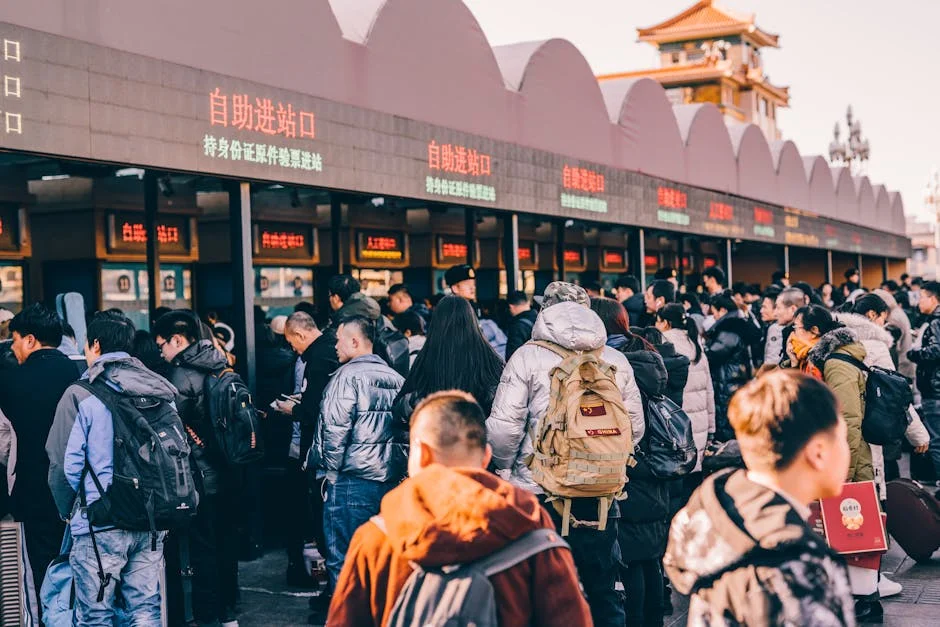
The upcoming diplomatic engagement between President Donald Trump and Chinese President Xi Jinping has triggered a wave of strategic recalibration across the globe. Nations that have historically relied on the flexibility of the American and Chinese superpowers now face the prospect of being squeezed between two increasingly assertive economic giants. This meeting is not merely a bilateral discussion; it is a geopolitical stress test for secondary powers in Asia, Europe, and the Americas.
Diplomats in Tokyo, Berlin, and Canberra are closely monitoring the agenda, fearing that the outcome will force them to choose sides in a trade war that has already shown signs of accelerating. The stakes are high, with billions of dollars in tariffs and supply chain adjustments hanging in the balance. For these middle powers, the margin for error is shrinking rapidly.
Geopolitical Uncertainty in Asia
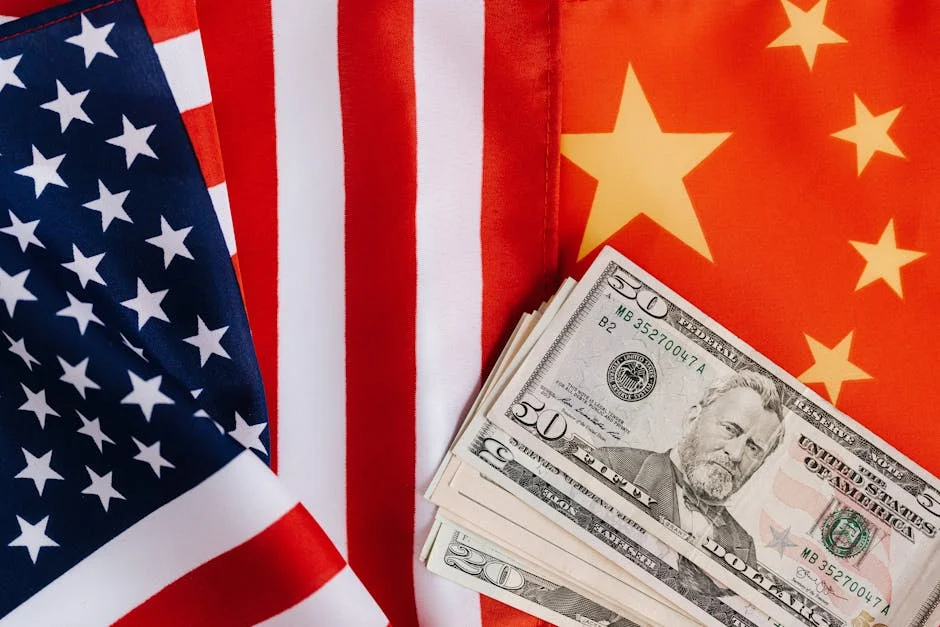
Asian economies are particularly vulnerable to the dynamic between Washington and Beijing. Countries like Japan and South Korea maintain deep security ties with the United States while relying heavily on Chinese manufacturing and consumer markets. This dual dependence creates a precarious position that the Trump-Xi summit could exacerbate significantly.
The Japanese government has already begun contingency planning for potential disruptions to the semiconductor supply chain. Tokyo fears that a trade deal between the US and China might marginalize Asian allies or impose stricter export controls. The Ministry of Foreign Affairs in Japan has signaled that it is preparing for a scenario where the US demands greater technological alignment.
Supply Chain Vulnerabilities
Manufacturing hubs in Southeast Asia, including Vietnam and Thailand, are watching the negotiations with a mix of hope and anxiety. On one hand, a trade war could divert investments to these regions as companies seek to avoid US tariffs on Chinese goods. On the other hand, a sudden reconciliation between Trump and Xi could lead to a rapid consolidation of trade within the Sino-US bloc, leaving Southeast Asian exporters on the periphery.
Vietnam, which has become a major beneficiary of the previous US-China trade tensions, is now concerned about being left behind if a comprehensive deal is struck. The Vietnamese government is actively diversifying its trade agreements to reduce reliance on any single market. This strategic shift highlights the broader trend of middle powers seeking autonomy in an increasingly polarized world.
European Strategic Autonomy Under Pressure
In Europe, the Trump-Xi summit raises questions about the future of the transatlantic alliance. European leaders, particularly in Germany and France, have long advocated for "strategic autonomy" to reduce dependence on both Washington and Beijing. However, a strong US-China partnership could undermine this goal by creating a powerful economic bloc that Europe struggles to influence.
The European Commission is preparing for potential spillover effects from the trade negotiations. Brussels is concerned that US tariffs could target European industries, such as automotive and steel, if the US seeks to leverage its relationship with China to pressure Europe. The German automotive industry, a cornerstone of the European economy, is already bracing for potential retaliatory measures from both Washington and Beijing.
France has taken a proactive stance, pushing for a unified European response to the shifting global order. Paris argues that Europe must strengthen its internal market and defense capabilities to maintain its relevance. This approach reflects a growing recognition that middle powers cannot afford to be passive observers in the US-China rivalry.
Trade War Dynamics and Economic Risks


The economic implications of the Trump-Xi summit are profound. The previous trade war between the US and China led to significant volatility in global markets, with tariffs affecting everything from soybeans to smartphones. A renewed or intensified trade conflict could trigger similar disruptions, impacting inflation rates and consumer prices worldwide.
Analysts at the International Monetary Fund have warned that a fragmentation of the global trading system could reduce global GDP by up to 5% over the next decade. This projection underscores the importance of the upcoming summit. The decisions made by Trump and Xi will have far-reaching consequences for global economic growth and stability.
The US agricultural sector is particularly sensitive to the outcome of the negotiations. American farmers have been both winners and losers in the previous trade war, depending on the timing and scope of tariffs. The Trump administration is likely to seek guarantees for US agricultural exports to China, which could provide relief to farmers but also create dependencies that limit future negotiating leverage.
Impact on Emerging Markets
Emerging markets in Latin America and Africa are also feeling the pressure. Countries like Brazil and South Africa are trying to balance their trade relationships with the US and China. A shift in the US-China dynamic could alter commodity prices, affecting the export revenues of these nations. For example, a surge in Chinese demand for soybeans could boost Brazilian exports, while a US preference for domestic production could dampen prices.
South Africa, a key player in the African continent, is monitoring the summit for signals about future investment flows. The country relies heavily on Chinese infrastructure projects and US financial markets. Any disruption to these flows could have significant implications for South Africa’s economic growth and political stability.
Diplomatic Maneuvering and Alliances
The Trump-Xi summit is likely to involve complex diplomatic maneuvering. Both leaders are known for their transactional approach to foreign policy, which could lead to unexpected alliances or shifts in strategic priorities. Middle powers are keen to understand how these dynamics will play out and how they can position themselves to maximize their benefits.
Australia, a close ally of the United States, is particularly concerned about the potential for a US-China rivalry to spill over into the Indo-Pacific region. Canberra is strengthening its defense ties with the US through the AUKUS pact with the UK and the US. However, Australia also maintains strong economic ties with China, creating a delicate balancing act.
The Australian government is working to diversify its trade relationships to reduce its dependence on China. This includes signing free trade agreements with countries in Southeast Asia and Europe. These efforts reflect a broader trend among middle powers to create a more resilient and diversified economic landscape.
Technological Competition and Innovation
Technology is a key area of competition between the US and China. The Trump-Xi summit will likely address issues related to semiconductor supply chains, digital trade, and intellectual property rights. These issues are critical for the future economic competitiveness of middle powers.
The European Union is investing heavily in its own technological capabilities to reduce its dependence on US and Chinese firms. The EU’s Digital Markets Act and Digital Services Act are designed to create a more level playing field for European tech companies. These initiatives reflect a strategic effort to maintain European autonomy in the digital age.
In Asia, countries like Japan and South Korea are collaborating on semiconductor manufacturing to secure their supply chains. These efforts are driven by the recognition that control over key technologies is essential for economic and geopolitical influence. The outcome of the Trump-Xi summit could influence the pace and direction of these technological investments.
Looking Ahead: Key Dates and Decisions
The Trump-Xi summit is scheduled to take place in the coming weeks, with the exact date yet to be confirmed by both administrations. The timing of the meeting is crucial, as it will coincide with key economic data releases and political events in both countries. The outcome of the summit will be closely watched by global markets and policymakers.
Key decisions to watch include the potential for a new trade agreement, adjustments to tariff schedules, and announcements on technological cooperation or competition. These decisions will have immediate implications for global trade flows and investment patterns. Middle powers will need to act quickly to adapt to the new reality.
Readers should monitor official statements from the White House and the Chinese Ministry of Foreign Affairs in the days leading up to the summit. These statements will provide clues about the priorities and expectations of both leaders. The diplomatic language used will also offer insights into the potential for compromise or confrontation.
The global community is holding its breath. The decisions made in this high-stakes meeting will shape the economic and political landscape for years to come. Middle powers must remain agile and strategic to navigate the uncertainties ahead. The clock is ticking, and the world is watching.
See Also
- Katpadi Residents Demand Solutions to Traffic and Job Crisis
- Congress MP Challenges KTR Over Party Defections During BRS Regime - Could Affect Market Stability
These efforts reflect a broader trend among middle powers to create a more resilient and diversified economic landscape. South Africa, a key player in the African continent, is monitoring the summit for signals about future investment flows.