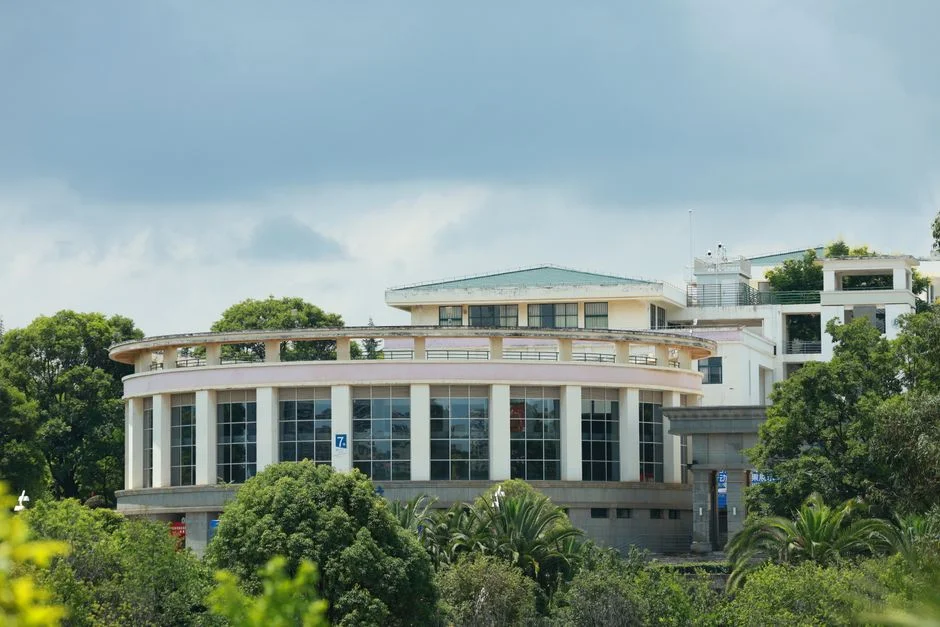
The ecological rehabilitation of the Forgotten Muizenberg wetland has reached near-complete status, marking a major victory for local conservationists in Cape Town, South Africa. This extensive restoration project, which targeted the degraded marshland adjacent to Muizenberg Park, has successfully reintroduced native vegetation and stabilized the soil structure that had been eroding for decades. The completion of this phase signals a turning point for coastal management strategies in the Western Cape, offering a replicable model for other urban waterfronts facing similar environmental pressures.
Restoration Efforts Transform Local Ecology
Environmental teams have worked tirelessly over the past three years to reverse the damage caused by urban runoff and invasive species in this critical coastal zone. The project focused on removing dense thickets of wattles and pines that had choked out the original marsh grasses and sedges. By clearing these non-native plants, restorers allowed sunlight to reach the soil, triggering a natural regeneration process that has already shown measurable results in biodiversity counts. Local ecologists report that bird populations, including the rare Cape Wagtail, have increased by approximately 30% since the initial clearing began in early 2022.
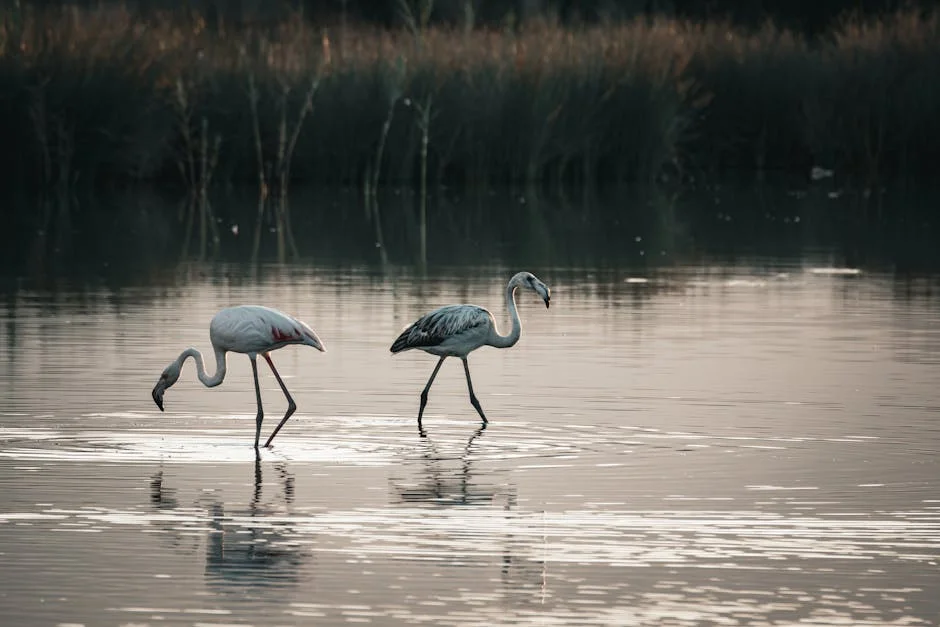
The structural integrity of the wetland bed has also been significantly improved through the installation of permeable boardwalks and native reed beds. These features help filter pollutants before they reach the Indian Ocean, improving water quality for both marine life and recreational swimmers. Engineers designed these interventions to mimic natural hydrological patterns, ensuring that tidal flows could once again nourish the root systems of the vegetation. This approach reduces the need for constant mechanical maintenance, making the ecosystem more resilient to future climate fluctuations.
Community Engagement Drives Momentum
Local residents played a vital role in the success of the Forgotten Muizenberg restoration initiative, volunteering thousands of hours to clear debris and plant seedlings. Community groups organized monthly clean-up drives that not only improved the physical landscape but also fostered a stronger sense of ownership among the people who live and work near the park. These efforts helped bridge the gap between scientific planning and public expectation, ensuring that the restored area would serve both ecological and social functions. The involvement of local schools further embedded environmental education into the community fabric, creating a lasting legacy beyond the immediate physical changes.
Stakeholders from the local municipality collaborated closely with non-profit organizations to secure funding and logistical support for the project. This partnership model proved essential in overcoming budget constraints that often plague municipal environmental initiatives. By leveraging private donations and government grants, the coalition was able to procure high-quality native plants and specialized equipment. The transparency of the financial reporting also built trust with taxpayers, who saw tangible improvements in their neighborhood rather than abstract statistical gains. This collaborative approach is now being studied by other coastal towns looking to replicate similar successes.
Educational Opportunities for Residents
The restored wetland now serves as a living classroom for students and adults alike, offering guided tours and interactive workshops on coastal ecology. Educators have developed curriculum modules that align with the local biodiversity, allowing children to observe plant growth and animal behavior in real-time. These programs have seen high enrollment, indicating a strong public appetite for hands-on environmental learning. The presence of informational signage and digital kiosks provides visitors with immediate access to data about the species they are observing, enhancing the educational value of a simple walk through the park.
Environmental Benefits Extend Beyond the Park


The health improvements in the Muizenberg wetland have had positive ripple effects on the surrounding marine environment, particularly for fish spawning grounds located just offshore. Cleaner water and stable shorelines provide safer habitats for juvenile fish, which contributes to the overall health of local fisheries. Marine biologists have noted an increase in the diversity of fish species near the restored areas, suggesting that the wetland is functioning effectively as a natural filter and nursery. This ecological boost supports both commercial fishing interests and recreational anglers who rely on the coastal waters for their catch.
Carbon sequestration capabilities of the restored marshland have also improved, helping to offset some of the urban carbon footprint of the Cape Town metropolitan area. Wetlands are known to store significant amounts of carbon in their soil and vegetation, and the reintroduction of deep-rooted plants has enhanced this natural storage capacity. Climate scientists view this increase in carbon sink potential as a valuable, though often overlooked, benefit of urban green space management. As cities worldwide seek ways to mitigate climate change, the Muizenberg project demonstrates how localized ecological interventions can contribute to broader environmental goals.
Challenges Faced During Rehabilitation
The restoration process was not without its hurdles, with engineers and botanists facing unexpected challenges related to groundwater levels and soil salinity. Initial surveys had underestimated the impact of nearby development on the water table, requiring adjustments to the drainage systems mid-project. These adaptations involved installing additional pumping stations and adjusting the elevation of certain planting zones to prevent waterlogging. The ability to pivot quickly in response to these geological realities was crucial in preventing the early stages of the restoration from stalling. This flexibility is a key lesson for future wetland projects in similar urban settings.
Invasive species management also proved more persistent than anticipated, with some hardy weeds returning faster than projected. Restorers had to implement a multi-phase weeding strategy that combined manual removal with targeted herbicide application to break the life cycles of the invaders. This ongoing battle required constant monitoring and quick response teams to prevent the re-establishment of dominant non-native plants. The experience highlighted the need for long-term maintenance plans rather than viewing restoration as a one-time event. Continuous effort remains essential to ensure that the native species can outcompete the newcomers over time.
Future Plans for Muizenberg Park
City planners are now looking to expand the success of the Forgotten Muizenberg project to other underutilized green spaces within the larger Muizenberg Park network. There are proposals to connect the restored wetland with adjacent grasslands and woodland areas to create a continuous ecological corridor. This connectivity would allow wildlife to move more freely through the urban landscape, reducing the fragmentation that often isolates populations. Planners are also considering the introduction of more recreational facilities that complement the natural setting, such as cycling paths and picnic areas that minimize soil compaction. These enhancements aim to balance human enjoyment with ecological preservation.
Long-term monitoring programs have been established to track the health of the wetland over the next five years, providing data that will inform future conservation strategies. Scientists will measure changes in water quality, plant diversity, and animal populations to assess the sustainability of the restoration efforts. This data-driven approach ensures that management decisions are based on empirical evidence rather than anecdotal observations. The findings from this monitoring will be shared with other coastal communities, contributing to a broader understanding of urban wetland dynamics. As the project enters its next phase, the focus will shift from active intervention to sustained stewardship and adaptive management.
Residents and visitors can expect to see the full ecological benefits of the restoration over the coming months as the vegetation matures and wildlife populations stabilize. The local council has announced plans for a formal unveiling ceremony next month, which will include guided tours and presentations from the key stakeholders involved in the project. This event will serve as a platform to celebrate the community’s efforts and to launch the next stage of the Muizenberg Park development strategy. Watch for updates on the timeline for the new cycling paths and educational center, which are scheduled to break ground in the spring.
See Also
- Explosive Device Detonates Inside Woolworths in Pretoria, Shocking Shoppers
- Alaska Tsunami Shatters Records — Scientists Reveal the Scale of the Surge
Wetlands are known to store significant amounts of carbon in their soil and vegetation, and the reintroduction of deep-rooted plants has enhanced this natural storage capacity. Initial surveys had underestimated the impact of nearby development on the water table, requiring adjustments to the drainage systems mid-project.
What is the latest news about muizenberg wetland restoration completes reshaping cape town coast?
Why does this matter for agriculture-food?
What are the key facts about muizenberg wetland restoration completes reshaping cape town coast?