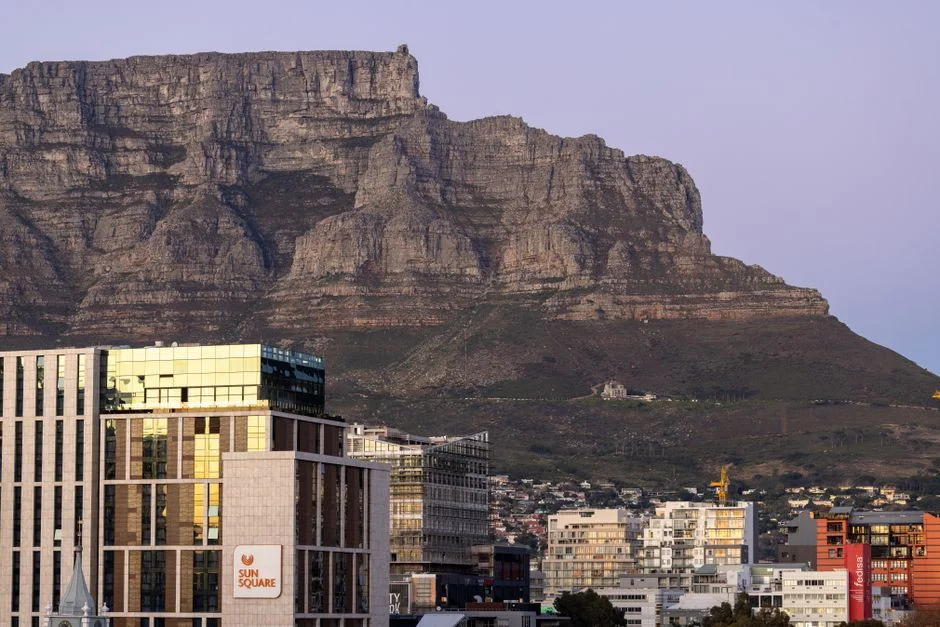
The African National Congress has formally decided to invite non-members to run for mayoral positions in major South African cities. This strategic shift marks a departure from decades of internal candidate selection. The ruling party aims to broaden its appeal and stabilize governance in fragmented urban centers.
Breaking the Internal Candidate Tradition
For nearly three decades, the ANC relied on a rigid process to select local leaders. Party members typically voted for mayoral candidates from within their own ward structures. This method prioritized party loyalty over external expertise or local popularity. The new policy allows the national executive committee to handpick outsiders who may not even wear the ANC badge.

This change directly impacts cities like Cape Town, Johannesburg, and Durban. These metropolitan areas have seen fierce political competition in recent local elections. The ANC lost control of Cape Town in 2016, handing the keys to the Democratic Alliance. Johannesburg remained an ANC stronghold but with a shrinking majority. Durban has seen a rise in the Independent Democrats and local splinter groups.
The decision signals a pragmatic approach to winning back urban voters. Many residents feel disconnected from traditional party machinery. By bringing in respected community figures or business leaders, the ANC hopes to project competence. This move could redefine how South Africans perceive local government effectiveness.
The Coalition Era Forces Hand
South African politics has entered a new phase known as the coalition era. No single party holds an absolute majority in many provinces and metros. The 2024 general election results confirmed this trend nationwide. The ANC secured 40.24% of the national vote, down from a historic 54.36% in 2019. This mathematical reality forces leaders to negotiate rather than dictate.
Coalition governments require stability and broad-based support. Internal party members sometimes struggle to build bridges with rival factions. An outsider may serve as a neutral figurehead who can unite diverse groups. This strategy mirrors tactics used by other African political parties facing declining dominance. The goal is to create a cohesive administration that delivers services efficiently.
Challenges in Major Metropolitan Areas
Implementing this policy in large cities presents unique hurdles. Johannesburg operates as an economic engine with a complex bureaucratic structure. Cape Town relies heavily on tourism and a vibrant service sector. Durban manages one of the busiest ports on the African continent. Each city faces distinct challenges that demand specialized leadership skills. A one-size-fits-all candidate list may not address these local nuances.
The ANC must balance the egos of veteran politicians with the fresh perspectives of newcomers. Senior members may resent being bypassed for an unknown face. This internal friction could weaken the party’s negotiating position. However, the potential reward is a more responsive and effective local government structure.
Legal and Procedural Hurdles
The constitutional framework allows for flexibility in mayoral selection. Section 79 of the Municipal Structures Act outlines the process. The council elects the mayor from among its members after a general election. However, the council composition depends on which parties win the seats. If the ANC forms a coalition, they can propose any council member as mayor. This includes non-ANC members who joined the coalition agreement.
Legal experts note that this maneuver requires careful timing. The coalition agreement must be signed before the first council meeting. This meeting usually occurs within a few weeks of the election day. Any delay could lead to a minority government or a return to the polls. The ANC’s legal team is working to finalize the wording of these agreements.
Impact on Local Governance and Services


Local government directly affects the daily lives of millions of South Africans. Issues like water supply, electricity, and waste management fall under mayoral oversight. Residents in Soweto often face power outages that disrupt businesses and schools. People in Khayelitsha deal with intermittent water flow that affects hygiene and health. Effective mayoral leadership can address these pain points directly.
An outsider mayor might bring fresh ideas to these chronic problems. Business leaders could apply corporate efficiency models to municipal operations. Community activists might prioritize grassroots engagement and transparency. This diversity of background could lead to innovative solutions. The key is whether these leaders can navigate the complex municipal bureaucracy.
However, the transition period could bring short-term instability. New mayors need time to understand the inner workings of the council. This learning curve might slow down decision-making processes. Critics argue that this delay could worsen service delivery issues. The ANC must weigh these risks against the potential long-term gains.
Political Reactions and Internal Dynamics
The announcement has triggered mixed reactions within the ANC ranks. Some veterans view the move as a necessary evolution of the party. Others see it as a dilution of the movement’s original vision. This internal debate reflects the broader ideological tensions within the ruling party. The struggle between traditionalists and modernizers continues to shape ANC policy.
Rival parties have welcomed the development with cautious optimism. The Democratic Alliance sees an opportunity to expand its influence in key metros. The Economic Freedom Fighters hope to gain leverage in coalition negotiations. Independent candidates believe this opens the door for local heroes to rise. The political landscape is becoming more fluid and competitive.
Analysts point out that this strategy is not without precedent. Other African nations have successfully used outsider mayors to stabilize urban areas. Nigeria has seen non-party-affiliated leaders take charge of local governments. Kenya has experimented with cross-party coalitions at the county level. South Africa is following a regional trend towards pragmatic governance.
Implications for Future Elections
This policy shift will likely influence the next local government elections. Voters may look for candidates who demonstrate broad appeal beyond party lines. The ANC’s brand recognition could either help or hinder outsider candidates. A well-known name might draw votes from traditionalists. A fresh face might attract undecided voters and independents.
The success of this experiment will determine its longevity. If outsider mayors deliver improved services, the policy will gain momentum. If they fail to manage expectations, the party may revert to internal selection. The upcoming council meetings will serve as critical test cases. Observers will closely monitor the performance of these new leaders.
Political analysts suggest that this move could reshape the entire electoral map. Smaller parties might form strategic alliances to present strong mayoral candidates. Independent groups could gain more funding and visibility. The traditional two-party or three-party dynamic could give way to a multi-party mosaic. This complexity adds an exciting layer to South African democracy.
What to Watch Next
The immediate next step involves the announcement of specific mayoral candidates. The ANC national executive committee will meet to finalize the shortlists. These announcements will likely coincide with the swearing-in of new councils. Citizens in Cape Town, Johannesburg, and Durban should expect official press releases soon.
Political observers should monitor the coalition negotiation process. The terms of these agreements will reveal the true power dynamics. Who holds the decisive vote? Which concessions were made to secure the mayoralty? These details will clarify the stability of the new local governments. The coming weeks will provide crucial insights into the future of South African urban politics.
Residents should also watch for changes in municipal service delivery. Any improvements or setbacks will reflect the effectiveness of the new leadership. Community forums and town hall meetings will become key venues for feedback. The ANC’s bet on outsider mayors will be judged by the quality of life experienced by everyday citizens.
See Also
- Trump Seeks to Delay China Summit as Vance Denies 'Wedge' Over Iran Tensions
- Ghana Passes Anti-LGBTQ+ Bill — President Orders Scrutiny Before Signing