China has officially confirmed a major purchase of 200 Boeing aircraft, marking a significant win for the American aerospace giant and the Trump administration. The deal, valued at approximately $35 billion, was announced during high-level trade negotiations in Beijing. This move comes after months of uncertainty surrounding the future of U.S.-China trade relations.
A Major Win for Boeing
The order includes a mix of Boeing’s flagship models, including the 737 MAX and the 787 Dreamliner. For Boeing, this deal is more than just a sales figure; it is a vital step toward stabilizing its balance sheet. The company has faced intense scrutiny following the grounding of the 737 MAX and subsequent production challenges.
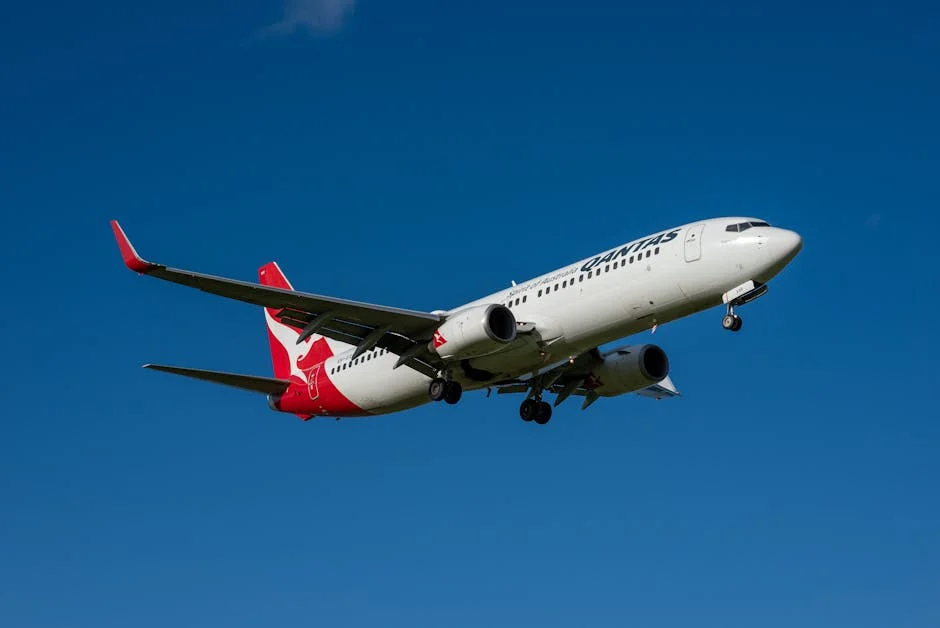
Analysts view this purchase as a strong signal of confidence in Boeing’s product line. The Chinese market has historically been one of Boeing’s largest, accounting for roughly 20% of its total deliveries. Reclaiming this market share is crucial for the Seattle-based manufacturer to compete effectively with its main rival, Airbus.
Political Implications for Trump
For President Trump, this announcement serves as a tangible victory in his ongoing trade war with China. The President has frequently highlighted trade deficits as a key metric of economic success. This deal directly addresses that concern by locking in future revenue for a major U.S. exporter.
Trump celebrated the news on social media, calling it a "huge win" for American jobs. He emphasized that the deal would help offset the trade deficit with Beijing. The timing of the announcement was strategic, aimed at boosting investor confidence ahead of upcoming economic reports.
Trade War Context
The U.S.-China trade relationship has been characterized by tariffs, quotas, and diplomatic tensions. Boeing has been both a beneficiary and a casualty of this dynamic. The deal signals a temporary thaw in relations, but underlying structural issues remain unresolved.
Beijing’s decision to buy American planes despite political friction shows the complexity of modern trade. Economic interests often outweigh political disagreements, at least in the short term. This deal does not necessarily mean the end of the trade war, but it does mark a significant milestone.
Impact on the U.S. Aviation Industry


This purchase has immediate positive effects on the U.S. aviation sector. It ensures continued demand for American-made components and services. Suppliers across the country, from Texas to Washington state, will feel the ripple effects of this order.
The deal also helps stabilize the stock market’s perception of Boeing. Investors have been wary of the company’s ability to maintain its market position. This confirmation of future sales provides a level of certainty that the market has been craving.
However, the deal also highlights the dependency of U.S. industries on foreign markets. Boeing’s reliance on China underscores the interconnectedness of the global economy. Any future disruptions in the U.S.-China relationship could have severe consequences for the aviation sector.
Competition with Airbus
Boeing’s main competitor, Airbus, is watching this deal closely. The European manufacturer has been gaining market share in Asia. This purchase by China could slow down Airbus’s momentum in the region.
Airbus has its own strategies to compete, including new models and competitive pricing. The competition between Boeing and Airbus is fierce and global. This deal adds another layer to the ongoing rivalry between the two aerospace giants.
The outcome of this competition will have long-term implications for the global aviation industry. Both companies are investing heavily in new technologies and sustainability. The winner of this battle will likely shape the future of air travel.
Challenges Ahead for Boeing
Despite this positive news, Boeing still faces several challenges. The company needs to ensure that the 737 MAX remains reliable and popular with airlines. Any new technical issues could jeopardize the deal.
Production capacity is another concern. Boeing must ramp up production to meet the demand from China and other markets. This requires efficient management and investment in manufacturing facilities.
Additionally, Boeing needs to navigate the complex regulatory environment in China. The Chinese aviation authority has been scrutinizing Boeing’s planes more closely in recent years. Maintaining good relations with regulators is essential for the success of this deal.
Economic Impact on the United States
The economic impact of this deal extends beyond Boeing. It supports thousands of jobs in the U.S. aviation sector. These jobs range from engineers and pilots to factory workers and suppliers.
The deal also contributes to the U.S. trade balance. By increasing exports to China, the deal helps reduce the trade deficit. This is a key goal of the Trump administration’s economic policy.
Furthermore, the deal boosts investor confidence in the U.S. economy. A strong aviation sector is a sign of overall economic health. This purchase signals that foreign buyers are willing to invest in American products.
What to Watch Next
The next steps involve the formalization of the deal and the delivery of the first planes. Investors and industry watchers will be monitoring the timeline for deliveries. Any delays could impact Boeing’s financial performance.
Additionally, the broader U.S.-China trade relationship will remain a key focus. Future negotiations could lead to more deals or new tensions. The aviation sector will be closely watched as a barometer of trade relations.
Finally, the performance of Boeing’s stock will be a key indicator of market sentiment. If the company successfully executes this deal, it could see a sustained increase in its share price. This will have implications for shareholders and the broader economy.
See Also
- Nigeria's INEC Confirms Voter Data Leak Probe — Account Traced to Suspect
- Iran and Israel Escalate Hostilities, Displacing Millions and Disturbing Markets