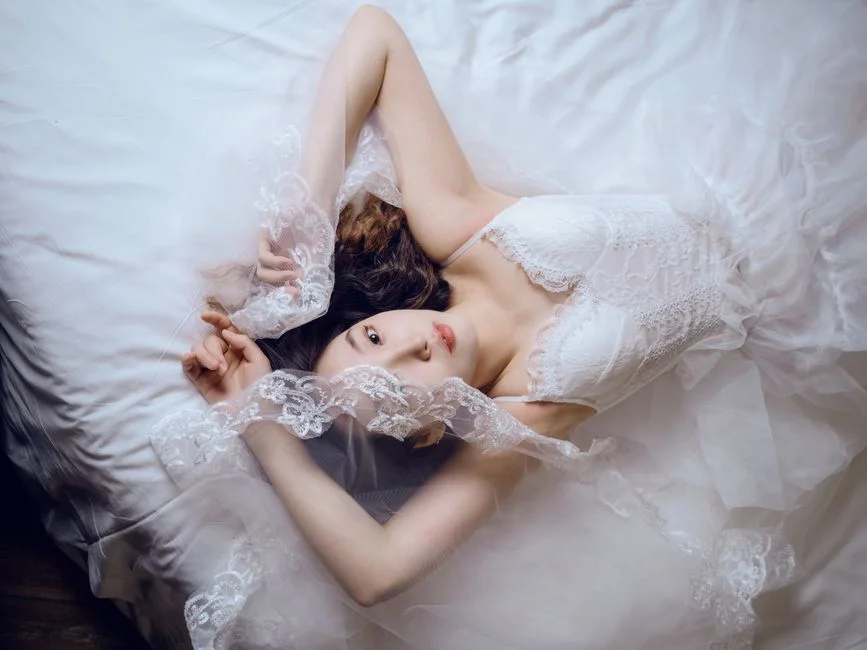
Grace Mondlana’s decision to undo her R3,500 braids less than a week after getting them has ignited a fierce debate across South African social media platforms. The viral moment captures the growing tension between aesthetic expectations and the practical realities of maintaining protective hairstyles. This incident highlights how quickly public opinion can shift when influencers break unspoken beauty rules.
Viewers took to TikTok and Instagram to express their disbelief and frustration. Many felt that the investment of time and money was wasted by such a quick turnaround. The reaction underscores the high stakes involved in personal branding for digital creators.
The Viral Moment That Sparked Debate
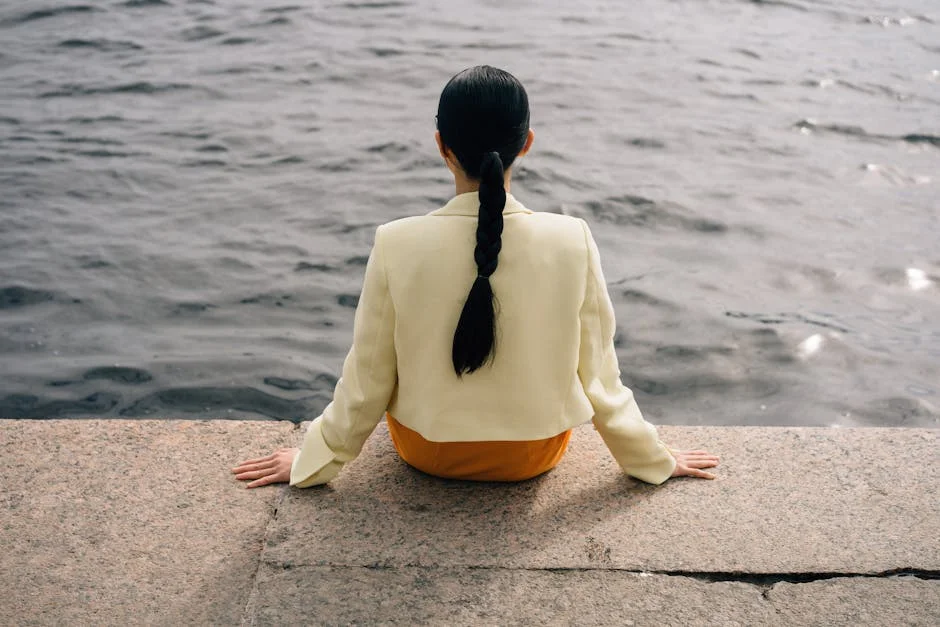
The controversy began when Mondlana posted a video showing the process of removing her intricate braid style. She revealed that the hairstyle, which had cost her R3,500, had only survived for approximately seven days. This short lifespan for a typically long-lasting protective style immediately drew criticism from her followers.
Comments flooded in from users who viewed the move as impulsive or even wasteful. Some argued that braids are designed to last for four to six weeks, making a one-week duration seem excessive. Others questioned the quality of the salon work or the maintenance routine employed by the influencer.
Mondlana did not immediately provide a detailed explanation for the early removal. Her silence allowed speculation to run wild across various online forums. The lack of context fueled further engagement, as users debated the merits of sticking with a style versus changing it for content creation.
Public Reaction and Social Media Fallout
The backlash was not just about the hairstyle itself but what it represented in the broader context of beauty standards. Many users felt that Mondlana’s actions sent a mixed message to her audience regarding the value of protective styles. This perception has led to a wider conversation about authenticity in influencer marketing.
Supporters of Mondlana argued that personal preference should dictate hairstyle longevity. They pointed out that comfort and scalp health are often prioritized over duration. This perspective added nuance to the debate, preventing it from becoming a one-sided critique.
However, the sheer volume of negative comments suggests that many followers feel disconnected from the influencer’s choices. This disconnect is a common challenge for public figures who rely on relatability to maintain their audience. The incident serves as a case study in managing fan expectations.
Understanding the Cost of Protective Styles
Protective hairstyles like braids, twists, and locs have become staples in Black hair care routines. These styles are designed to minimize manipulation and retain moisture, often lasting several weeks. The average cost for a full head of braids in major South African cities can range from R2,000 to R5,000.
The R3,500 price tag for Mondlana’s braids places them in the mid-to-high range for this type of service. This cost includes not just the hair extensions but also the labor-intensive process of sectioning, braiding, and styling. For many consumers, this is a significant financial commitment.
When a style is removed after only a week, the perceived value drops dramatically. Consumers often calculate the cost per day of wear to determine if the investment was worthwhile. In this case, the cost per day is significantly higher than the industry average, leading to feelings of waste.
This economic perspective is crucial for understanding the public’s reaction. It is not merely an aesthetic disagreement but a financial one. The debate reflects broader economic anxieties where every rand spent on beauty is scrutinized for its return on investment.
The Influence of Social Media on Beauty Standards
Social media platforms have accelerated the pace at which beauty trends emerge and fade. Influencers like Grace Mondlana play a pivotal role in this cycle by showcasing new styles and then discarding them for the next big thing. This constant churn can create pressure on followers to keep up with rapidly changing aesthetics.
The algorithmic nature of platforms like TikTok rewards novelty and frequency. Creators feel compelled to post new content regularly to maintain visibility. This can lead to decisions that prioritize content creation over the practical longevity of a hairstyle. Mondlana’s choice may have been driven by the need for fresh visual content rather than the condition of her hair.
This dynamic has sparked discussions about the sustainability of influencer-driven beauty trends. Critics argue that the constant need for new looks leads to increased consumption and waste. The hair extensions alone contribute to the growing pile of synthetic waste in the beauty industry.
Furthermore, the pressure to maintain a certain image can take a toll on the mental health of influencers. The need to constantly reinvent oneself can lead to burnout and a disconnect from one’s natural self. This incident highlights the hidden costs of maintaining a curated online persona.
Broader Implications for the Beauty Industry
The reaction to Mondlana’s braids reflects a growing demand for transparency in the beauty industry. Consumers are becoming more informed about the processes and products involved in their hair care. They are less willing to accept vague explanations and more likely to demand specifics about quality and durability.
Salons and stylists are also feeling the pressure to deliver longer-lasting results. The reputation of a stylist is often tied to how long a client’s style holds up. A style that falls apart or looks tired after a week can damage a salon’s brand. This incident may encourage stylists to communicate more clearly about maintenance requirements.
The beauty industry is also seeing a shift towards more natural and low-maintenance styles. Consumers are increasingly seeking options that are both aesthetically pleasing and practical for their daily lives. This trend is likely to continue as people seek balance between appearance and convenience.
Brands are responding by developing products that extend the life of protective styles. Shampoos, conditioners, and serums are being formulated to reduce frizz and maintain shine over longer periods. These innovations aim to address the very issue that sparked Mondlana’s controversy.
Economic Impact on Local Salons
For local salons in South Africa, the cost of doing business is rising. The price of hair extensions, often imported from China or other countries, fluctuates with global supply chains. These costs are passed on to the consumer, making each style a significant investment.
When clients remove styles prematurely, salons may face increased turnover rates. This can affect the steady income stream that many stylists rely on. It also leads to more frequent visits, which can strain the capacity of busy salons during peak seasons.
The debate over the R3,500 braids highlights the economic sensitivity of the beauty sector. In a country with varying income levels, a R3,500 expenditure is not trivial. This context is essential for understanding why the public reacted so strongly to the perceived waste.
What to Watch Next
The coming weeks will reveal whether this incident is a one-off event or part of a larger trend. Observers will be watching to see if other influencers follow suit or if there is a collective pushback against rapid style changes. The response from the beauty community will be telling.
Grace Mondlana may choose to address the controversy directly in a follow-up post. Her explanation could either quell the criticism or intensify the debate depending on how she frames her decision. The transparency she provides will likely influence her audience’s perception of her authenticity.
Salons and brands may also use this moment to educate consumers about proper hair care. Campaigns focusing on the longevity and maintenance of protective styles could gain traction. This educational approach could help manage expectations and reduce future controversies.
Ultimately, this incident serves as a reminder of the power of social media to shape beauty standards. As the digital landscape continues to evolve, the interplay between influencers, consumers, and the beauty industry will remain a dynamic and often contentious space. Keeping an eye on these developments will provide insights into the future of personal branding and beauty trends.
See Also
- Americans Choose Second Teams Ahead of World Cup – Here’s Why It Matters
- Wayne Rooney Questions If Arsenal's Viktor Gyökeres Is Premier League's Best Signing