The garment industry in South Africa faces a deepening crisis as workers in Newcastle, KwaZulu-Natal, endure conditions that many describe as modern sweatshops. This situation highlights the fragile state of the country's manufacturing sector, which employs hundreds of thousands of workers yet struggles to maintain competitive wages and working standards. The revelation of these conditions comes at a critical juncture for the South African economy, where industrial stability is essential for broader economic growth.
Working Conditions in Newcastle Factories
Workers in the textile hubs of Newcastle report long hours, stagnant wages, and inconsistent working environments. Reports indicate that many employees work more than 48 hours a week, often without adequate overtime pay. These conditions have led to growing unrest among labor unions and workers' associations in the region. The disparity between the cost of living and actual take-home pay has become a primary driver of dissatisfaction.
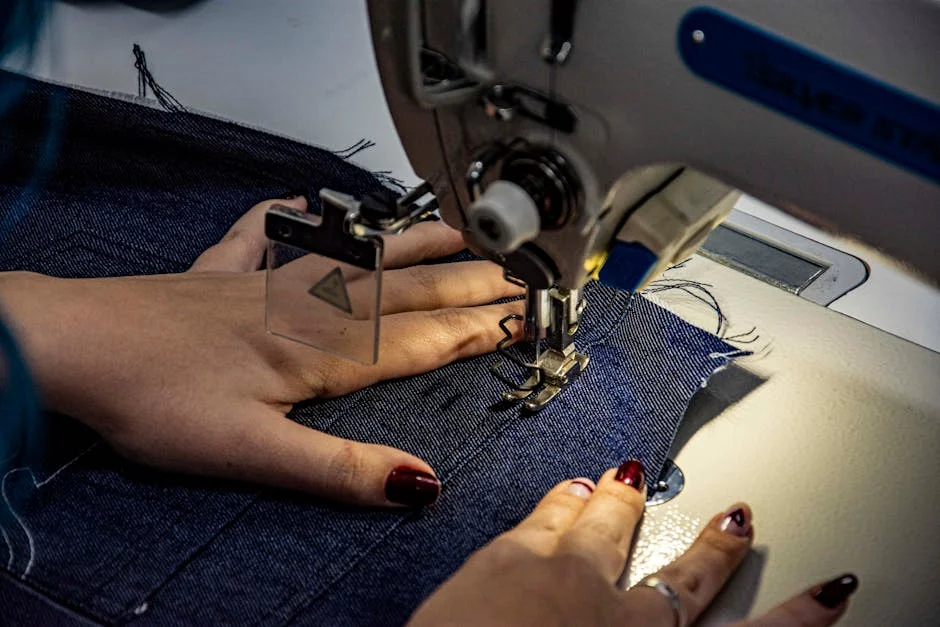
The physical environment in some factories also raises health and safety concerns. Ventilation, lighting, and ergonomic setups are often cited as areas needing immediate improvement. These issues are not isolated incidents but rather systemic problems affecting multiple factories in the area. The lack of consistent enforcement of labor laws exacerbates these challenges for the workforce.
The Role of the Bargaining Council
The Textile, Clothing and Footwear Bargaining Council plays a pivotal role in setting minimum wages and working conditions for the sector. However, critics argue that the Council has struggled to adapt to the rapid changes in the global and local market. The current minimum wage, while higher than in previous years, may not fully reflect the inflationary pressures faced by workers in Newcastle and surrounding areas.
The Council is tasked with balancing the needs of employers, who face high operational costs, and employees, who demand better compensation and benefits. This balancing act has become increasingly difficult as the sector competes with cheaper imports from Asia and neighboring African countries. The effectiveness of the Bargaining Council is under scrutiny as stakeholders call for more robust mechanisms to ensure fair treatment of workers.
Challenges in Wage Negotiations
Recent wage negotiations have been tense, with both sides presenting strong but often divergent arguments. Employers point to the high cost of electricity and transportation, which significantly impact their bottom line. Workers, on the other hand, emphasize the need for wage increases that keep pace with the rising cost of basic goods and services. These negotiations are critical for maintaining industrial peace and ensuring the sector's competitiveness.
Enforcement of Labor Standards
Enforcement of labor standards remains a significant challenge in the Newcastle region. Inspections are often sporadic, and penalties for non-compliance can seem lenient compared to the profits made by some factories. This inconsistency creates an uneven playing field, where compliant businesses may struggle against those that cut corners. Strengthening enforcement mechanisms is seen as essential for improving working conditions and protecting workers' rights.
Impact on the Local Economy


The garment sector is a major employer in Newcastle, providing jobs for thousands of residents. The health of this sector directly impacts the local economy, influencing everything from retail sales to housing demand. When workers' wages stagnate or working conditions deteriorate, the ripple effects are felt throughout the community. Local businesses rely on the spending power of garment workers to sustain their operations.
The decline in working conditions can also lead to higher turnover rates and increased recruitment costs for factories. This creates a cycle of instability that can hinder long-term investment and growth in the region. The economic implications extend beyond the factories, affecting schools, healthcare facilities, and other public services that depend on a stable tax base and employed population.
Global Competitiveness and Imports
South African garment manufacturers face stiff competition from global imports, particularly from China, India, and Bangladesh. These countries often offer lower labor costs, allowing them to produce clothing at a fraction of the price of locally made goods. This competitive pressure forces local factories to keep costs low, which can sometimes come at the expense of working conditions and wages.
The South African government has implemented various measures to protect the local industry, including tariffs and quotas on imported clothing. However, these measures have not entirely shielded the sector from global market forces. The effectiveness of these protectionist policies is a subject of ongoing debate among economists and industry leaders. Balancing protectionism with the need for efficiency is a complex challenge for policymakers.
Worker Perspectives and Union Actions
Unions in the Newcastle garment sector have been vocal about the need for improved working conditions. They argue that the current state of affairs threatens the livelihoods of thousands of workers and the future of the industry. Union leaders have organized strikes and negotiations to pressure factory owners and the government to take action. These efforts are crucial for advocating for workers' rights and ensuring that their voices are heard.
Workers themselves express a mix of frustration and hope. Many feel that their contributions to the industry are undervalued and that their basic needs are not being met. However, there is also a sense of resilience and determination among the workforce. Workers are increasingly organized and informed, leveraging social media and traditional communication channels to share their experiences and demand change.
Government Response and Policy Measures
The South African government has acknowledged the challenges facing the garment sector and has introduced several policy measures to address them. These include investments in infrastructure, skills development programs, and incentives for local manufacturing. The government aims to create a more favorable business environment that supports both employers and employees. These initiatives are part of a broader strategy to revitalize the manufacturing sector.
However, the effectiveness of these policies depends on consistent implementation and adequate funding. Critics argue that more needs to be done to ensure that the benefits of these initiatives reach the workers on the factory floor. The government faces the challenge of coordinating efforts across different departments and levels of administration to create a cohesive and effective response to the sector's needs.
Future Outlook and Industry Resilience
The future of the South African garment sector depends on addressing the current challenges and leveraging opportunities for growth. Innovation in design, marketing, and production processes can help local manufacturers differentiate themselves in the global market. Investing in technology and automation can also improve efficiency and reduce costs, making South African products more competitive.
Collaboration between government, industry, and labor unions is essential for creating a sustainable and equitable future for the sector. By working together, stakeholders can develop strategies that balance the needs of all parties and ensure the long-term viability of the industry. The resilience of the garment sector will be tested in the coming years, but with concerted effort, there is hope for positive change.
Stakeholders should monitor the upcoming quarterly reports from the Textile, Clothing and Footwear Bargaining Council for updated wage guidelines and enforcement actions. Additionally, investors and policymakers should watch for new trade agreements that could impact import tariffs on clothing. The next six months will be critical for determining whether the sector can stabilize and begin a period of renewed growth and improved working conditions for Newcastle's workforce.
See Also
- Estugarda Slams Back at FC Porto in Liga Europa Clash - What It Means for Global Markets
- Penguins Edge Flyers in Overtime Thriller, 3-2
Additionally, investors and policymakers should watch for new trade agreements that could impact import tariffs on clothing. Global Competitiveness and Imports South African garment manufacturers face stiff competition from global imports, particularly from China, India, and Bangladesh.