Joanna Lumley has thrown her weight behind a bold initiative to end the routine killing of millions of male chicks in the United Kingdom, sending shockwaves through the nation’s poultry sector. The actress and long-time campaigner is urging the British government to adopt stricter regulations that would force farms to identify the sex of embryos before they hatch. This move challenges a practice that has persisted for decades, where male chicks are deemed economically useless and often crushed or gassed shortly after birth.
The Scale of the Culling Crisis
The reality of the British egg industry is stark. Approximately 40 million male chicks are culled every year in the United Kingdom alone. These birds are primarily from the laying hen sector, where the female produces the eggs, while the male’s eggs go largely uneaten or are used for meat in less efficient breeds. The process is often described as brutal, with many chicks being ground alive while still warm or suffocated in carbon dioxide chambers.
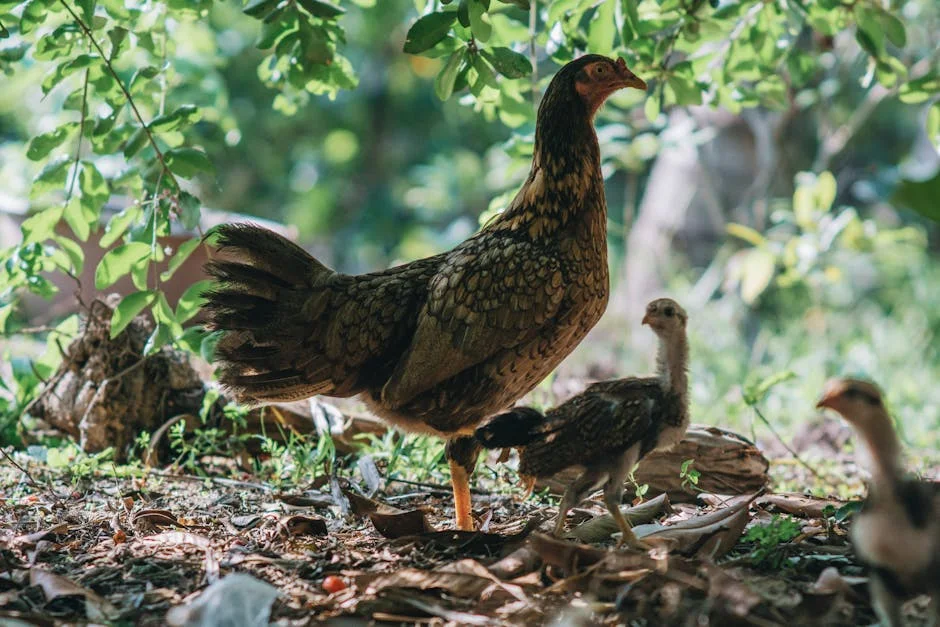
Critics argue that this level of waste is unsustainable for a country that prides itself on animal welfare standards. The practice creates a constant stream of by-products that the market struggles to absorb. Consumers in London and Manchester may not see these chicks, but they pay for the inefficiency through higher egg prices and environmental costs. The sheer volume of birds lost each year highlights a systemic failure in modern poultry farming.
Lumley’s intervention brings this hidden issue into the spotlight. Her campaign is not just about sentiment; it is about economic logic and biological innovation. By highlighting the number of birds lost, she forces the public to confront the cost of their breakfast. The data shows that the current system is ripe for disruption, with technology already available to solve the problem.
Innovation Offers a Solution
Technology is the key to ending the culling crisis. Scientists have developed methods to sex eggs while they are still in the hen’s oviduct or shortly after being laid. This process, known as in-ovo sexing, allows farmers to identify male embryos before they reach the stage of sentience. If the egg is male, it can be removed from the incubator, saving the chick from a short, often painful life.
This innovation is already being tested in several European countries. Germany, for instance, has mandated that a certain percentage of eggs must be sexed in-ovo by 2024, with a full rollout planned for the coming years. The technology uses light, sound, or chemical markers to determine the sex of the embryo without harming it. It is a precise method that reduces waste and improves the overall efficiency of the farm.
Technological Barriers to Entry
Despite its promise, the technology is not without its challenges. The initial cost of installing sexing machines can be high for smaller farms. This financial burden is a major concern for British poultry farmers who are already grappling with rising feed costs and energy prices. Many worry that without government subsidies, the transition could lead to a consolidation of the industry, favoring large corporate farms over family-run operations.
Another issue is the accuracy of the sexing process. While modern machines are highly accurate, no system is perfect. A small percentage of male chicks may still slip through, leading to a few males reaching the brooder. This requires farmers to manage a mixed flock initially, which can complicate feeding and housing strategies. However, proponents argue that these hurdles are temporary and will be overcome as the technology becomes more widespread.
Political Pressure Mounts in London


Joanna Lumley’s campaign is adding significant pressure on the UK government to act. She has been meeting with ministers in London, urging them to follow the lead of other European nations. Her argument is that the United Kingdom cannot claim to be a leader in animal welfare while allowing millions of chicks to die each year. She points out that the technology exists and that the cost of inaction is high.
The Department for Environment, Food and Rural Affairs (Defra) is currently reviewing the evidence. Officials are weighing the economic impact on farmers against the growing public demand for cruelty-free eggs. The government is also considering the potential for trade advantages if the UK sets a high standard for egg production. A move to ban chick culling could boost the competitiveness of British eggs in export markets.
Political parties are beginning to take notice. The Labour Party has hinted at introducing legislation to phase out chick culling, while the Conservatives are looking at voluntary agreements with the industry. This political attention is crucial for driving change. Without legislative backing, the industry may move slowly, relying on consumer pressure to adopt new technologies. Lumley’s influence helps to keep the issue on the political agenda.
Consumer Sentiment Shifts
British consumers are increasingly concerned about where their food comes from. Surveys show that a growing number of shoppers are willing to pay a premium for eggs labeled as “chick-culled” or “sexed in-ovo.” This shift in sentiment is driven by social media campaigns and documentaries that expose the realities of the poultry industry. Younger generations, in particular, are more likely to choose brands that align with their values.
Supermarkets are responding to this demand. Major retailers like Tesco and Sainsbury’s are starting to introduce own-brand eggs that use in-ovo sexing technology. This move signals that the market is ready for change. As more brands adopt the technology, the cost is likely to decrease, making it accessible to a wider range of consumers. This creates a positive feedback loop, where consumer demand drives innovation, which in turn lowers prices.
The role of celebrities like Joanna Lumley is crucial in shaping public opinion. Her endorsement gives the campaign credibility and reach. She has used her platform to educate the public about the issue, making it easier for consumers to make informed choices. This grassroots support is essential for sustaining the pressure on the industry and the government.
Global Implications of the UK Move
The United Kingdom’s decision on chick culling could have global implications. As a major exporter of agricultural products, the UK’s standards can influence international trade. If the UK adopts strict regulations, other countries may follow suit to remain competitive. This could lead to a global shift in how poultry is raised and processed. The ripple effects could be felt in markets across Europe and beyond.
For the United States, the UK’s move offers a model for potential reform. American consumers are also becoming more aware of animal welfare issues. The success of the UK’s initiative could inspire similar campaigns in the US, leading to changes in the American poultry industry. This cross-Atlantic exchange of ideas could accelerate the adoption of in-ovo sexing technology worldwide. The global market is interconnected, and changes in one region often influence others.
What to Watch Next
The next critical step is the government’s formal response to the campaign. Watch for an announcement from Defra regarding a consultation period or a draft bill to regulate chick culling. This could happen within the next six months. The timeline will depend on the political calendar and the outcome of ongoing discussions with industry stakeholders. Keep an eye on parliamentary debates and press releases from London for updates on the legislative process.
See Also
- Peet Viljoen Reveals ICE Struggles Amid U.S. Immigration Debate
- Açores Maintains Fuel Tax Discount But Prices Surge Over 20 Cents
Officials are weighing the economic impact on farmers against the growing public demand for cruelty-free eggs. Consumer Sentiment Shifts British consumers are increasingly concerned about where their food comes from.
What is the latest news about joanna lumley triggers uk chick culling crisis?
Why does this matter for economy-business?
What are the key facts about joanna lumley triggers uk chick culling crisis?