Terminal Multi has inaugurated a new Information and Communications Technology (ICT) driven facility in Lagos, designed to streamline operations for the Nigerian Customs Service. The development aims to reduce clearance times and enhance revenue collection through digital integration at one of the country's busiest ports.
New ICT Facility Launches in Lagos
The new office complex represents a major infrastructure investment for the port operator. Located in the heart of the Lagos port complex, the facility houses advanced server rooms, control centers, and collaborative workspaces for customs officers. This move shifts critical administrative functions from congested dockside buildings to a centralized, technology-enabled hub.
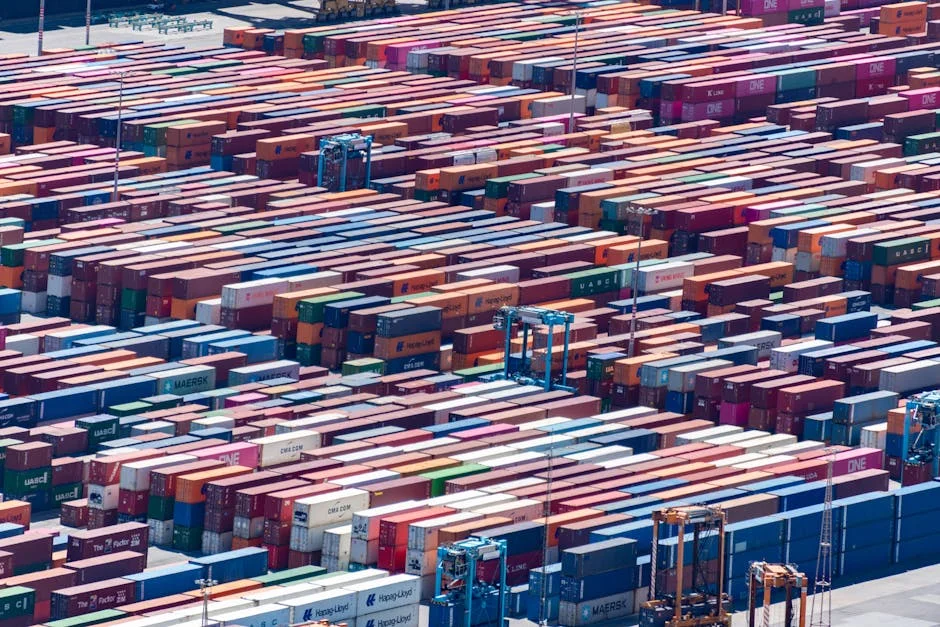
Officials at Terminal Multi emphasized that speed is the primary driver behind the renovation. The old systems often relied on manual data entry and paper trails, which created bottlenecks during peak shipping seasons. By moving to a fully digital environment, the operator expects to cut down the average time a container spends in transit.
The facility includes high-speed fiber optic connections and redundant power supplies. These technical upgrades are essential for maintaining continuous operations in a region where power fluctuations can disrupt digital records. The investment signals a broader trend in West African logistics, where digitalization is becoming a competitive necessity rather than a luxury.
Leadership and Strategic Vision
Ascanio Russo, the Managing Director of Terminal Multi Services Limited, led the rollout of the new facility. His leadership has focused on modernizing the port's infrastructure to meet international standards. Russo has argued that technological adoption is the most effective way to reduce the cost of doing business for importers and exporters.
Russo's strategy aligns with the broader goals of the Nigerian government to diversify revenue streams. The port authority has been under pressure to increase efficiency without raising tariffs excessively. By improving the speed of customs clearance, the port can handle more volume, thereby generating more revenue through volume rather than price hikes.
Under Russo's tenure, the company has also invested in automated gate systems. These systems allow trucks to enter and exit the port with minimal manual intervention. The new ICT facility serves as the brain for these automated systems, processing data in real-time to optimize traffic flow within the port complex.
Operational Efficiency Gains
The integration of new software with hardware infrastructure is expected to yield immediate results. Customs officers will now have access to real-time data on container status, duty payments, and inspection schedules. This transparency reduces the opportunity for human error and potential corruption at the point of entry.
Importers will benefit from predictable clearance times. In the past, a container could sit at the port for days due to minor documentation errors. With the new digital system, alerts are sent instantly to stakeholders, allowing for quicker resolution of discrepancies. This predictability is crucial for just-in-time manufacturing and retail supply chains in Lagos.
Impact on the Nigerian Customs Service


The Nigerian Customs Service stands to gain significantly from this partnership. The agency has been working to digitize its operations to combat revenue leakages. The new facility provides a dedicated space for customs staff to work alongside port operators, fostering better collaboration and faster decision-making.
Revenue collection is likely to improve as a result of the streamlined processes. When containers move faster, demurrage and storage fees are paid more consistently. Additionally, digital records make it harder for duties to be overlooked or underpaid. This increased revenue can be reinvested into port infrastructure or national development projects.
The Customs Service has welcomed the initiative as a step toward modernizing Nigeria's trade infrastructure. Port officials have noted that the new setup reduces the physical distance between different departments. This proximity facilitates quicker approvals for customs declarations and release orders.
Challenges in Port Modernization
Despite the advancements, challenges remain in fully integrating the new system. One major hurdle is the training of staff to adapt to the new digital tools. Both customs officers and port workers need continuous training to maximize the efficiency of the ICT facility. Resistance to change can slow down the adoption of new technologies.
Connectivity issues in the broader Lagos region can also affect performance. While the facility has robust internal networks, reliance on external data feeds means that any disruption in the national internet backbone can impact operations. Redundancy plans are in place, but total immunity from external factors is difficult to achieve.
Maintenance of the high-tech equipment requires specialized skills and consistent funding. The port operator must ensure that the initial investment is sustained by ongoing operational budgets. Without proper maintenance, the technology can quickly become obsolete, leading to frustration among users.
Broader Implications for Trade
The launch of the ICT facility has wider implications for trade in West Africa. Nigeria is the largest economy in the region, and its port efficiency directly affects the cost of goods across neighboring countries. If Lagos can reduce clearance times, it becomes a more attractive entry point for international traders.
Competitiveness is key in the global logistics market. Other ports in the region, such as Tema in Ghana and Apapa in Nigeria, are also investing in digitalization. Terminal Multi's move keeps the port competitive by offering modern amenities that international shipping lines value. This can lead to more direct vessel calls, reducing the need for transshipment.
For local businesses, the efficiency gains translate to lower costs. When logistics costs drop, the final price of imported goods may decrease. This can help curb inflation, which has been a persistent challenge in the Nigerian economy. Efficient ports are a critical component of macroeconomic stability.
Future Developments and Next Steps
Terminal Multi plans to expand the digital infrastructure to other parts of the port complex. The next phase involves integrating the new ICT system with the automated crane operations. This will allow for real-time tracking of containers from the moment they are offloaded from the ship until they are picked up by trucks.
Stakeholders should watch for the official handover of the second phase of the project. This is expected to happen within the next fiscal year, pending final approvals from the board of directors. The timeline will be announced at a press conference in Lagos, where further details on the technology stack will be revealed.
Investors and traders are advised to monitor the initial performance metrics of the new facility. Data on average clearance times and customer satisfaction will be published quarterly. These metrics will provide early indicators of whether the investment is yielding the expected returns. The coming months will be critical in determining the long-term success of the digital transformation.
See Also
- Yoco's CEO Aims to Revamp Africa's Fintech Landscape with European Insights
- Kogi Crash Kills 16 — FRSC Launches Emergency Probe
One major hurdle is the training of staff to adapt to the new digital tools. While the facility has robust internal networks, reliance on external data feeds means that any disruption in the national internet backbone can impact operations.
What is the latest news about terminal multi unveils ict hub boosting customs speed?
Why does this matter for technology-innovation?
What are the key facts about terminal multi unveils ict hub boosting customs speed?