Hong Kong banks are aggressively offloading debt assets, triggering a wave of liquidations that ripples through global financial markets. This accelerated selling pressure highlights the fragility of the city’s debt landscape as institutions scramble to shore up balance sheets. Investors are watching closely to see if this trend signals a broader correction or a localized adjustment.
Rapid Liquidation of Debt Portfolios
Financial institutions in Hong Kong have increased the pace at which they sell debt instruments. This move is not merely a tactical adjustment but a strategic response to shifting market dynamics. Banks are prioritizing liquidity over long-term yield, leading to a surge in available debt securities. The speed of these transactions has caught some market participants off guard.
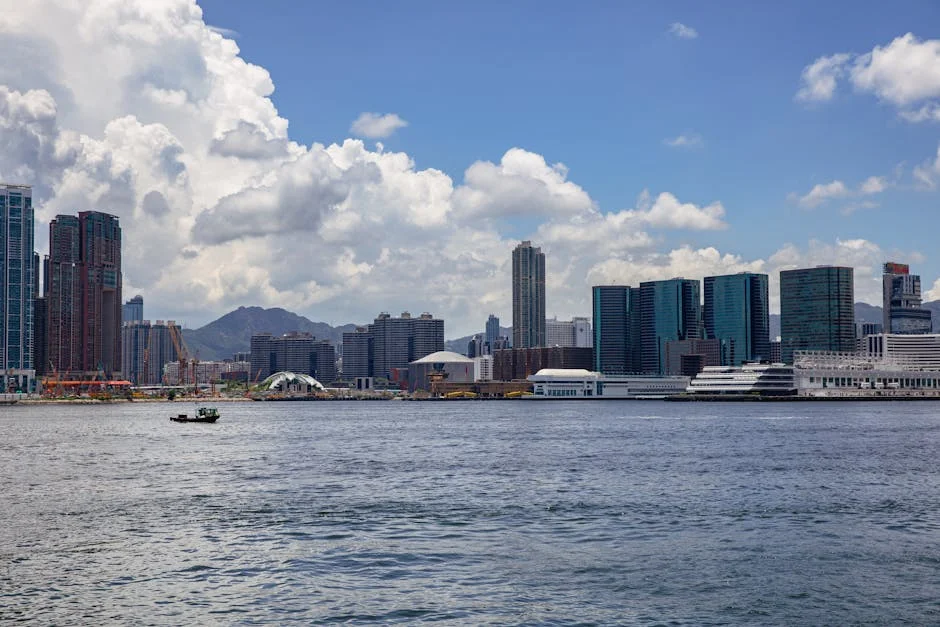
The volume of debt assets hitting the market has risen sharply in recent weeks. Traders report that institutional buyers are becoming more selective, demanding deeper discounts. This selectivity puts further downward pressure on prices. The situation reflects a cautious sentiment among major financial players. Confidence in the immediate future of debt valuations remains tentative.
Drivers Behind the Selling Spree
Several factors are contributing to this accelerated selling. Rising interest rates have made existing debt holdings less attractive compared to newer issues. Additionally, concerns about credit quality in certain sectors have prompted banks to reduce exposure. Regulatory pressures also play a role, forcing institutions to maintain higher capital buffers. These combined forces create a perfect storm for debt liquidation.
Global economic uncertainty adds another layer of complexity. Investors are re-evaluating risk premiums, leading to a re-pricing of assets. Hong Kong, as a major financial hub, is particularly sensitive to these global shifts. The city’s debt market serves as a barometer for broader Asian financial health. Any turbulence here can quickly spread to neighboring markets.
Implications for Global Debt Markets
The actions of Hong Kong banks have far-reaching consequences for global debt analysis. As one of the world’s leading financial centers, Hong Kong influences capital flows across Asia and beyond. A sustained selling pressure in Hong Kong can lead to tighter credit conditions globally. This tightening affects everything from corporate borrowing to government bond yields. Markets are interconnected, and shocks in one hub can resonate widely.
Investors in the United States and Europe are monitoring these developments closely. The interplay between Hong Kong’s debt market and global indices is complex. A significant drop in Hong Kong debt prices could trigger algorithmic selling in New York and London. This potential domino effect is a key concern for portfolio managers. They are adjusting their strategies to mitigate potential spillover risks.
The stability of the global financial system depends on the health of key nodes like Hong Kong. If the fire sales continue, it could lead to a broader liquidity crunch. Central banks may need to intervene to stabilize markets. The Federal Reserve and the European Central Bank are already watching the situation. Their response could define the next phase of global monetary policy.
Why Debt Matters in the Current Climate


Understanding what is debt and its current state is crucial for investors. Debt is not just a financial instrument; it is a reflection of economic confidence. When banks sell debt en masse, it signals a shift in that confidence. This shift can lead to higher borrowing costs for businesses and consumers. The ripple effects touch every corner of the economy.
Debt analysis the United States shows that global trends impact domestic markets. American investors hold significant exposure to Asian debt instruments. A correction in Hong Kong can affect the valuation of these holdings. This connection underscores the importance of global debt monitoring. Ignoring international signals can lead to unexpected losses for US-based funds.
Why debt matters extends beyond immediate price movements. It affects credit availability, which drives economic growth. If debt becomes expensive or scarce, investment slows down. This slowdown can lead to reduced hiring and lower consumer spending. The economic cycle is tightly linked to the health of debt markets. Policymakers are keenly aware of these dynamics.
The Role of Singapore in the Regional Context
Why SG matters in this context cannot be overstated. Singapore is a major competitor and partner to Hong Kong in the Asian financial landscape. The performance of Singapore’s debt market often mirrors or contrasts with Hong Kong’s trends. Investors frequently move capital between the two hubs to optimize returns. This fluidity means that shocks in Hong Kong can quickly find relief in Singapore, or vice versa.
How SG affects the United States is through these capital flows. American investors use Singapore as a gateway to Asian debt markets. If Hong Kong becomes turbulent, capital may shift to Singapore, affecting its interest rates and currency. This shift has implications for US investors holding Singaporean assets. The interconnectedness of these hubs creates a complex web of dependencies.
SG explained as a financial hub reveals its strategic importance. Singapore offers stability and transparency, making it an attractive alternative during times of uncertainty. As Hong Kong banks liquidate assets, some of this debt may flow into Singapore. This influx can strengthen Singapore’s market position. It also provides US investors with alternative exposure to Asian debt.
Market Sentiment and Investor Behavior
Investor sentiment is a critical driver of market movements. In Hong Kong, the mood is currently cautious. Banks are prioritizing safety, leading to a risk-off environment. This behavior influences other market participants, creating a self-fulfilling prophecy of selling. Retail investors are also reacting, pulling back from debt instruments. The collective action amplifies the impact of institutional moves.
Analysts note that this caution may persist for some time. The uncertainty surrounding global economic growth makes investors wary. They are willing to accept lower yields in exchange for greater security. This preference for safety drives up the price of high-quality debt and downgrades lower-rated assets. The differentiation in debt quality is becoming more pronounced.
Corporate borrowers are feeling the pressure. As debt becomes more expensive, companies may delay expansion plans. This delay can slow down economic growth in key sectors. The technology and manufacturing industries are particularly sensitive to borrowing costs. A sustained period of high debt prices could hinder innovation and productivity gains.
Regulatory Responses and Policy Adjustments
Regulators in Hong Kong are closely monitoring the situation. The Hong Kong Monetary Authority is assessing the need for intervention. They may introduce measures to stabilize the debt market if volatility increases. These measures could include liquidity injections or adjustments to capital requirements. The goal is to prevent a disorderly correction that could spill over into the banking sector.
Global regulators are also paying attention. The Bank for International Settlements is coordinating efforts to monitor cross-border debt flows. This coordination aims to identify potential vulnerabilities in the global financial system. Early detection of risks allows for proactive policy adjustments. The lessons from past financial crises underscore the importance of vigilance.
Policymakers in the United States are reviewing their own debt strategies. The Federal Reserve is considering how global debt trends impact domestic inflation and growth. They may adjust interest rates or quantitative easing programs in response. These adjustments have significant implications for American borrowers and savers. The global nature of debt means that no market is truly isolated.
Future Outlook and Key Indicators
Looking ahead, several key indicators will shape the debt market’s trajectory. Investors should watch the pace of liquidations in Hong Kong. A slowdown in selling could signal a stabilization of prices. Conversely, an acceleration could indicate deeper underlying issues. Monitoring these trends is essential for making informed investment decisions.
The response of central banks will also be crucial. Any intervention by the Hong Kong Monetary Authority or the Federal Reserve could shift market dynamics. Investors should keep an eye on policy announcements and economic data releases. These events provide clues about the future direction of interest rates and credit conditions.
Finally, the interplay between Hong Kong and Singapore will remain important. Capital flows between these two hubs will influence regional debt prices. US investors should consider this dynamic when allocating assets. Diversification across different Asian markets can help mitigate risk. The coming months will reveal whether this is a temporary correction or a structural shift.
See Also
- Mali's Military Leaders Face Existential Crisis After Rebel Surge
- Fire Ravages Himeville Court — KZN Justice System Faces Immediate Shock