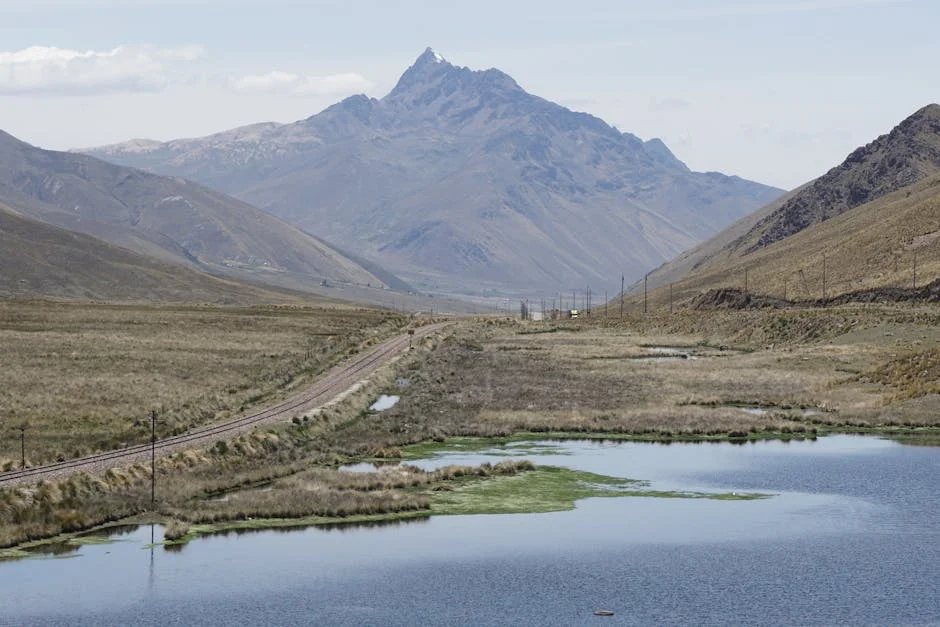
The Centers for Disease Control and Prevention has issued a heightened alert regarding hantavirus transmission rates in the Andes region, signaling a potential shift in how this rodent-borne illness affects travelers and expatriates. This development marks one of the most significant public health responses to the virus in the last decade, driven by rising case counts in rural communities across South America. Health officials are urging immediate vigilance as the virus demonstrates increased virulence in specific microclimates.
Understanding the Hantavirus Threat
Hantavirus is a group of viruses primarily spread to humans through the inhalation of aerosolized urine, droppings, or saliva from infected rodents. The disease can manifest in two main forms: Hemorrhagic Fever with Renal Syndrome (HFRS) and Hantavirus Pulmonary Syndrome (HPS). Both conditions can lead to severe respiratory distress and, in some cases, sudden cardiac failure if not treated promptly.
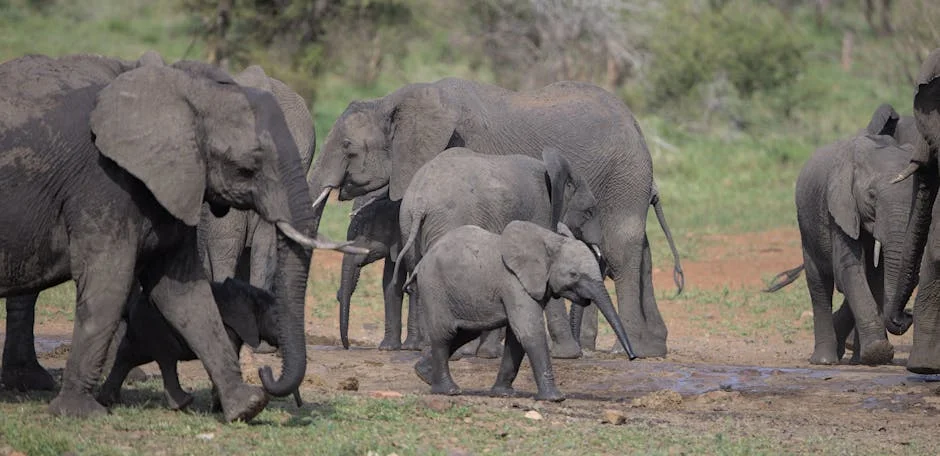
The primary vectors for the virus vary by geography. In North America, the deer mouse is the most common carrier, while in Europe and Asia, the bank vole plays a dominant role. In the Andes region, specific species of the Oligoryzomys genus have been identified as key reservoirs. These rodents thrive in diverse environments, from high-altitude grasslands to dense cloud forests, making exposure risks widespread.
Transmission does not typically require a direct bite. Instead, the virus becomes airborne when disturbed rodent waste is stirred up by wind or human activity. This subtle mode of transmission makes prevention challenging, as individuals may contract the virus simply by entering an unventilated cabin or clearing brush in a rural area. Understanding this mechanism is crucial for effective mitigation strategies.
Current Situation in the Andes Region
Recent epidemiological data from the Andes mountains reveals a sharp increase in confirmed hantavirus cases over the past six months. Health ministries in Colombia, Ecuador, and Peru have reported a combined surge of over 150 new infections, a figure that exceeds the five-year average for the region. The majority of these cases are concentrated in rural departments where agricultural activity brings humans into close contact with rodent habitats.
The outbreak has placed considerable strain on local healthcare infrastructure. Many rural clinics lack the intensive care units necessary to manage severe HPS cases, forcing patients to be airlifted to major cities like Bogotá or Quito. This logistical challenge has increased the mortality rate in remote areas, prompting regional health authorities to declare a state of emergency in three specific provinces.
The Pan American Health Organization has deployed rapid response teams to assess the situation and provide medical supplies. These teams are working closely with local governments to implement quarantine measures and enhance surveillance systems. Their initial reports indicate that the virus strain circulating in the Andes is genetically similar to the Sin Nombre virus, which is known for its high fatality rate if diagnosis is delayed.
Environmental Drivers of the Outbreak
Climatologists attribute the surge in cases to unusual weather patterns in the Andes. Heavy rainfall followed by a period of warm temperatures has led to an explosion in the rodent population. This ecological boom has increased the density of infected animals in human living spaces, thereby raising the probability of transmission. The correlation between precipitation levels and hantavirus incidence is well-documented in epidemiological studies.
Agricultural expansion has also played a role in the outbreak. As farmers clear land for crops, they disturb the natural burrows of rodents, forcing them to migrate closer to human dwellings. This encroachment creates a perfect storm for viral spillover, particularly in areas where housing infrastructure is still adapting to the changing landscape. The intersection of climate change and land use is a critical factor in the current crisis.
Implications for the United States


The situation in the Andes has direct implications for the United States, particularly for travelers, expatriates, and even domestic health preparedness. The CDC has updated its travel health notices to include a "Level 2" recommendation for hantavirus prevention in affected Andean regions. This means that travelers should take enhanced precautions, such as wearing masks when cleaning areas with potential rodent activity and sealing entry points in temporary housing.
For the US healthcare system, the Andes outbreak serves as a reminder of the need for robust diagnostic capabilities. Hantavirus is often misdiagnosed as the flu or pneumonia in its early stages, which can delay critical treatment. US hospitals are reviewing their protocols to ensure that patients with recent travel history to South America are tested for hantavirus if they present with respiratory symptoms. This proactive approach could save lives by reducing the time to diagnosis.
The economic impact is also becoming apparent. Insurance companies are beginning to factor hantavirus risk into travel policies for the Andes region, potentially leading to higher premiums for tourists and business travelers. Additionally, the US agricultural sector is monitoring the situation closely, as the virus could potentially be introduced through imported goods or returning workers. This cross-border health dynamic highlights the interconnectedness of global health systems.
Prevention and Mitigation Strategies
Preventing hantavirus infection requires a multi-faceted approach that combines environmental management with personal protective measures. The CDC recommends sealing cracks and holes in walls, floors, and foundations to keep rodents out of homes. This simple step can significantly reduce the likelihood of exposure, especially in rural or semi-rural settings where rodent-proofing is often overlooked.
When cleaning areas with potential rodent activity, it is crucial to wet down the droppings and urine before sweeping or vacuuming. This helps to minimize the amount of virus that becomes airborne. Wearing an N95 mask and rubber gloves provides an additional layer of protection, reducing the risk of inhalation and skin contact. These precautions are simple yet highly effective in reducing transmission rates.
Public education campaigns are also vital in combating the spread of hantavirus. Health officials in the Andes are working to inform local communities about the signs and symptoms of the disease, as well as the importance of early medical intervention. By empowering individuals with knowledge, health systems can improve outcomes and reduce the burden on hospitals. Education is a powerful tool in the fight against infectious diseases.
Global Health Context and Future Outlook
The hantavirus outbreak in the Andes is part of a broader trend of emerging infectious diseases driven by climate change and human encroachment. As global temperatures rise, the habitats of rodent carriers are expanding, bringing the virus into new territories. This dynamic requires ongoing surveillance and adaptive public health strategies to keep pace with the evolving threat. The world must remain vigilant as the lines between wildlife and human health continue to blur.
International cooperation is essential in managing hantavirus outbreaks. The Andes region benefits from shared data and resources from neighboring countries and global health organizations. This collaborative approach allows for a more coordinated response, which is critical in containing the spread of the virus. As the global health landscape continues to evolve, partnerships between nations will play an increasingly important role in managing infectious disease threats.
Looking ahead, health officials are monitoring the situation closely. The next six months will be critical in determining whether the current surge is a temporary spike or the beginning of a longer-term trend. Travelers to the Andes should stay informed about the latest health advisories and take necessary precautions to protect themselves. The world must remain watchful as the hantavirus continues to challenge public health systems across the globe.
See Also
- Marcus North Joins England Selectors — What Changes For The Squad
- Iga Świątek Eyes Paris Triumph After Early Loss — What's Next for Her?
What is the latest news about hantavirus outbreak in andes region triggers us health alert?
Why does this matter for technology-innovation?
What are the key facts about hantavirus outbreak in andes region triggers us health alert?