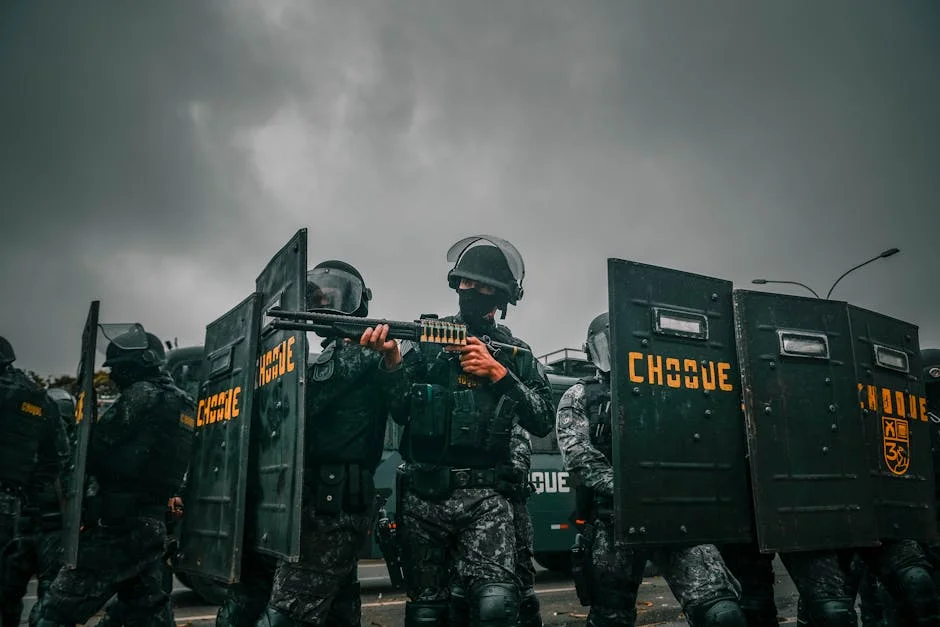
Singapore police have formally charged a teenager following an alleged physical assault on controversial blogger Amos Yee. The incident occurred at a popular anime convention held at Suntec City in the heart of Singapore. Authorities moved quickly to secure the venue and detain the suspect within hours of the confrontation.
This event has ignited a fierce debate about free speech and public order in Southeast Asia’s most liberal city-state. Yee is a polarizing figure known for his sharp critiques of religion, politics, and culture. His presence at such a high-profile public gathering was bound to draw attention. The assault raises urgent questions about how Singapore manages dissent in crowded social spaces.
The Incident at Suntec City

The confrontation took place during a bustling weekend at Suntec City. This large convention center in Singapore frequently hosts major cultural and commercial events. The anime convention attracted thousands of attendees, creating a dense and energetic atmosphere. Security was present but faced the challenge of monitoring a massive, fluid crowd.
According to initial reports, the teen approached Yee during a panel or signing session. Witnesses described a sudden altercation that disrupted the flow of the event. Security staff intervened to separate the two men. The teen was detained on-site while police officers arrived to secure the scene and gather initial statements.
Yee was taken to a nearby hospital for evaluation. He later released a statement confirming the physical nature of the assault. He described feeling shaken but determined to continue his work. The incident has since been documented in social media posts, showing the immediate aftermath of the clash.
Who Is Amos Yee?
Amos Yee is a Singaporean blogger, writer, and political activist. He first gained international attention in 2012 for a video criticizing the founding leaders of Singapore. This video led to his first imprisonment, setting a precedent for free speech cases in the country. His legal battles have made him a symbol of both resilience and controversy.
Yee’s work often challenges traditional norms and established authority. He has written extensively on Christianity, Islam, and Singaporean politics. His blunt style resonates with some who value transparency and critique. However, it also provokes strong reactions from those who prefer social harmony and deference to tradition.
His impact extends beyond Singapore’s borders. Many readers in the United States and Europe follow his blog for insights into Asian politics. Yee represents a specific type of digital activist who uses the internet to bypass traditional media gatekeepers. His case is often cited in discussions about the reach of online speech.
Legal Precedents in Singapore
Singapore’s legal system is known for its efficiency and strictness. Laws regarding public order and defamation are enforced rigorously. Yee has faced multiple charges over the years, ranging from contempt of court to defamation. Each case has tested the boundaries of acceptable public discourse in the city-state.
The government often cites the need for social cohesion. In a multi-ethnic and multi-religious society, leaders argue that unchecked speech can lead to friction. Critics argue that this approach can sometimes stifle innovation and critical thinking. Yee’s cases are central to this ongoing national conversation.
Police Response and Legal Charges

Singapore Police Force moved swiftly to process the charge. The teen was charged under specific sections of the Singapore Penal Code. These sections typically cover simple assault or causing hurt. The choice of charge reflects the severity of the physical contact reported by witnesses.
The speed of the arrest highlights the efficiency of Singapore’s law enforcement. Cameras in Suntec City likely provided clear footage of the incident. This digital evidence streamlines the prosecution process. It also reduces the reliance on potentially conflicting eyewitness accounts.
Legal experts note that the outcome will depend on the teen’s age and prior record. Juvenile justice in Singapore can involve both rehabilitation and punishment. The court will consider the context of the assault. Was it a spontaneous reaction or a planned confrontation? These details will emerge during the trial.
Public Reaction and Social Media Frenzy
The news spread rapidly across social media platforms. Supporters of Yee praised his courage in attending the event. They viewed the assault as an attack on free expression. Many posted messages of solidarity and called for a fair trial for the blogger.
Critics of Yee reacted with mixed emotions. Some felt the assault was an overreaction to his provocative style. Others argued that Yee invited controversy by choosing a public stage. The debate reflects the deep divisions his work creates. It is rarely a simple case of hero versus villain.
Local news outlets in Singapore covered the event extensively. Headlines focused on the location, the victim, and the charge. International media also picked up the story, linking it to broader trends in Asian politics. The incident serves as a microcosm of larger societal tensions.
Context of Public Gatherings in Singapore
Singapore is a hub for regional cultural events. Conventions like the one at Suntec City are common. These events draw diverse crowds from different age groups and backgrounds. Organizers must balance accessibility with security to ensure a smooth experience for attendees.
The presence of polarizing figures at such events is not new. Organizers often weigh the potential for buzz against the risk of disruption. In this case, the decision to invite Yee paid off in terms of attention. However, it also introduced a layer of volatility to the event.
Security protocols at Suntec City are generally robust. The incident shows that even well-planned events can face unexpected challenges. It may lead to stricter vetting of speakers or guests in the future. Event organizers will likely review their risk assessment strategies.
Implications for Free Speech Debates
This incident reignites the debate over free speech limits. Singapore balances individual rights with collective harmony. Yee’s case is a frequent reference point in this discussion. His supporters argue for more room for dissent. Critics argue for more restraint to maintain order.
The legal outcome of this charge will be watched closely. It could set a precedent for how public confrontations are handled. If the court is lenient, it might signal a focus on rehabilitation. If it is strict, it might emphasize the need for deterrence in public spaces.
For the United States audience, this story offers a contrast. American free speech protections are broader under the First Amendment. Yet, public figures in the US also face physical threats. The comparison highlights different cultural approaches to managing public discourse.
What to Watch Next
The next step is the court hearing. The teen will appear before a magistrate to plead to the charge. This initial appearance will set the timeline for the trial. Legal observers will look for clues about the prosecution’s strategy.
Yee’s response to the incident will also be key. He may use the platform to further his advocacy. He might file a civil suit for damages or defamation. His actions will influence public perception of the case.
Event organizers at Suntec City will likely issue a statement. They may announce new security measures for future conventions. Attendees will be watching for changes in the guest list or entry procedures. The incident has left a mark on the local event industry.
Readers should monitor local Singaporean news outlets for updates. The court proceedings will be reported in detail. Social media will continue to be a battleground for opinions. The case will remain relevant until a final verdict is reached. Keep an eye on the legal filings for the next major development.
See Also
- Ramaphosa Confirms Rating Upgrades Make South Africa More Investment-Friendly
- Eight Students Arrested in Connection with Suspected Arson at Gilgil School
Critics argue that this approach can sometimes stifle innovation and critical thinking. The choice of charge reflects the severity of the physical contact reported by witnesses.