Renowned Indian lawyer Mahesh Jethmalani has issued a sharp political ultimatum to West Bengal Chief Minister Mamata Banerjee, demanding her immediate resignation. The legal heavyweight’s intervention marks a significant escalation in the state’s ongoing political turbulence, moving beyond traditional party rhetoric into the realm of constitutional and legal pressure. This development occurs against a backdrop of intensifying street protests in Kolkata, where the capital city has become the epicenter of a power struggle between the ruling Trinamool Congress and the opposition Bharatiya Janata Party (BJP).
The Legal Challenge to Political Longevity
Jethmalani, often referred to as the "lawyer of the common man" in India, has frequently used his legal acumen to influence political outcomes. His recent comments frame Banerjee’s refusal to step down not merely as a political choice but as a potential constitutional anomaly. He argued that the continuous agitation and administrative paralysis in West Bengal justify a leadership change to restore order. This perspective challenges the traditional notion of a Chief Minister’s tenure, suggesting that political survival is contingent on effective governance rather than electoral mandate alone.

The demand for resignation comes at a critical juncture for Banerjee, who has led West Bengal for over a decade. Her leadership has been characterized by strong regional populism and a fierce rivalry with the BJP. Jethmalani’s intervention adds a layer of legal scrutiny to her administration, potentially complicating her ability to manage the state’s affairs. Legal experts suggest that while a lawyer’s opinion does not bind a Chief Minister, it can sway public opinion and pressure coalition partners.
Kolkata in the Spotlight: Street Protests and Administrative Strain
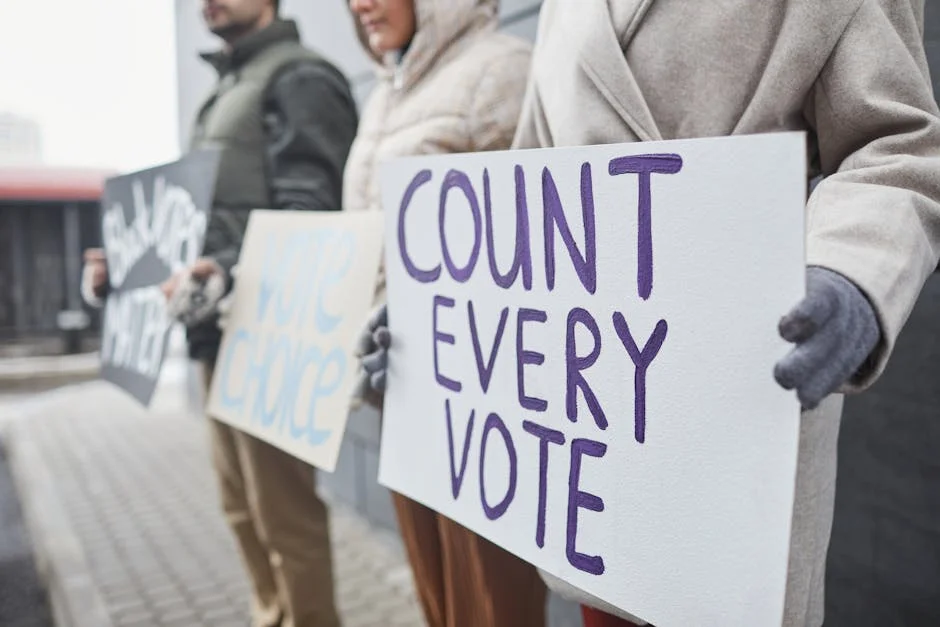
The streets of Kolkata have witnessed widespread demonstrations, with thousands of supporters from both the Trinamool Congress and the BJP taking to the roads. These protests have disrupted daily life, affecting traffic, commerce, and public services in India’s third-largest city. The intensity of the unrest has forced the state administration to deploy additional police forces to maintain law and order. The visual of a divided Kolkata has become a powerful symbol of the state’s political polarization.
Impact on Daily Life in West Bengal
The disruption extends beyond the political arena, impacting the everyday lives of West Bengal’s 100 million residents. Schools and colleges have faced intermittent closures, while major business districts have seen fluctuating footfall. The economic implications of prolonged unrest are beginning to surface, with local traders expressing concern over revenue losses. This economic anxiety adds another layer of pressure on Banerjee’s government, which must balance political survival with economic stability.
- Disruption of public transport networks in central Kolkata
- Intermittent power outages affecting residential and commercial areas
- Increased police deployment along key arterial roads
Observers note that the protests are not just about immediate political gains but also about establishing a narrative of strength ahead of upcoming local elections. Both parties are investing heavily in ground mobilization, turning neighborhoods into political battlegrounds. The stakes are high, with the outcome potentially influencing the broader political landscape in eastern India.
Why Jethmalani’s Stance Matters in Indian Politics
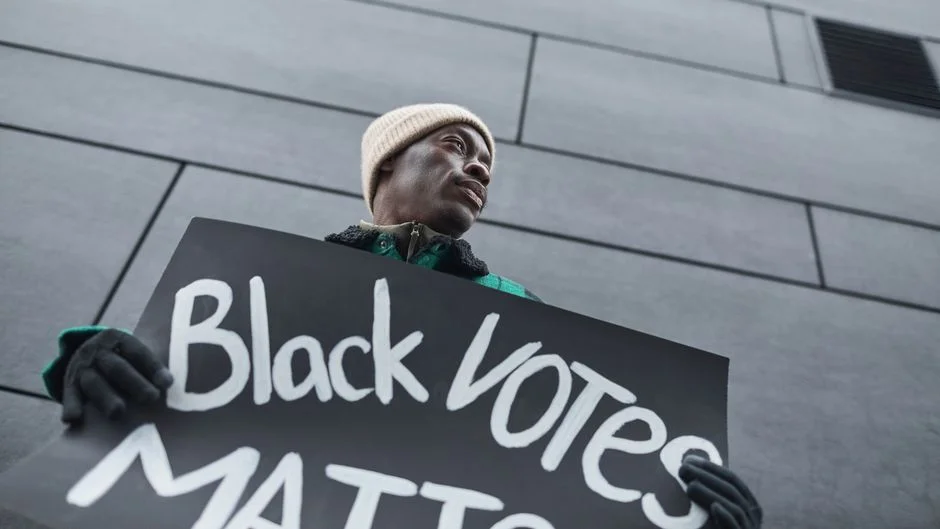

Mahesh Jethmalani’s involvement is significant because of his reputation for straightforward, often blunt assessments of political figures. His legal background lends credibility to his arguments, making his critique harder to dismiss as mere partisan bickering. When Jethmalani speaks, it often triggers a wave of media coverage and public debate. His current stance highlights the intersection of law and politics in India, where legal arguments are frequently used as tools for political leverage.
His demand for Banerjee’s resignation is part of a broader trend where legal experts are increasingly commenting on political performance. This trend reflects a growing public desire for accountability and efficiency in governance. Jethmalani’s arguments often focus on procedural fairness and constitutional integrity, which resonates with a segment of the Indian electorate that values institutional strength. His intervention thus serves as a barometer for public sentiment regarding the effectiveness of state leadership.
The Political Context: Banerjee’s Tenure and Challenges
Mamata Banerjee has been a dominant figure in West Bengal politics since taking office in 2011. Her tenure has been marked by significant policy initiatives, including land reforms and infrastructure development. However, her administration has also faced criticism regarding corruption, law and order, and economic management. The current political crisis is a culmination of these long-standing challenges, exacerbated by the rise of the BJP as a formidable regional competitor.
Banerjee’s decision to hold firm and not resign is a testament to her political resilience. She views the protests as a temporary setback rather than a fatal blow to her leadership. Her strategy relies on maintaining the loyalty of her party base and leveraging the state’s administrative machinery to outlast the opposition’s momentum. This approach has worked in the past, but the current scale of unrest tests the limits of her political capital.
Consequences for West Bengal’s Political Landscape
The standoff between Jethmalani’s legal critique and Banerjee’s political resolve has profound implications for West Bengal. It highlights the fragility of democratic processes when faced with intense polarization. The state’s political stability is crucial for the broader Indian economy, as West Bengal is a key market and cultural hub. Prolonged uncertainty could deter investment and slow down economic growth in the region.
Furthermore, this crisis sets a precedent for future political disputes in India. If legal arguments can significantly influence political tenures, it could lead to more frequent interventions by legal experts in political affairs. This could either strengthen accountability or lead to legalistic gridlock, depending on how the situation evolves. The outcome in West Bengal will be closely watched by political analysts across the country.
What to Watch Next in the West Bengal Saga
The coming weeks will be critical in determining the trajectory of this political crisis. Key indicators include the intensity of street protests, the response of the state police force, and any new legal filings by either party. The potential for a vote of confidence in the state assembly is also a possibility, which could force a decisive outcome. Political observers will be monitoring statements from national leaders in both the BJP and Trinamool Congress, as their support could tip the balance.
Readers should also watch for any economic data releases from West Bengal, as financial performance could influence public sentiment. If the economic impact of the unrest becomes more pronounced, pressure on Banerjee may intensify. The resolution of this crisis will not only define Banerjee’s legacy but also shape the future of politics in one of India’s most dynamic states. The next major political announcement from Kolkata could come as early as next week, potentially involving a by-election or a key legislative vote.
See Also
- Liverpool Sacks Manager Arne Slot After Disappointing Start to Season
- Iswap Commander Shot Dead in Yobe - Joint Task Force Claims Victory Over Boko Haram
This trend reflects a growing public desire for accountability and efficiency in governance. If legal arguments can significantly influence political tenures, it could lead to more frequent interventions by legal experts in political affairs.