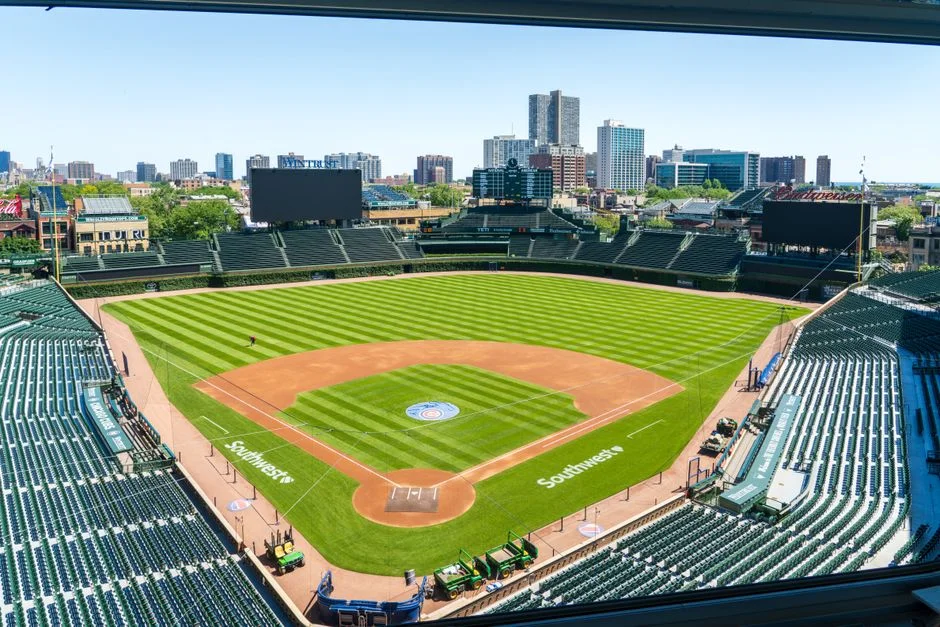
The National Hockey League's (NHL) playoff overtime rules have come under scrutiny following a record-breaking game in 2026 that lasted over 150 minutes. This marathon match, held in Boston, has reignited discussions on the necessity and impact of the current overtime structure in the NHL playoffs, especially within the United States.
Current Overtime Rules in NHL Playoffs
In the NHL playoffs, if a game is tied at the end of regulation time, teams play sudden-death overtime periods until a winner is determined. Each overtime period lasts 20 minutes, and the game continues until a goal is scored. This format, which is distinct from the regular season's shorter overtime and shootout rule, aims to maintain the intensity and stakes of playoff hockey.
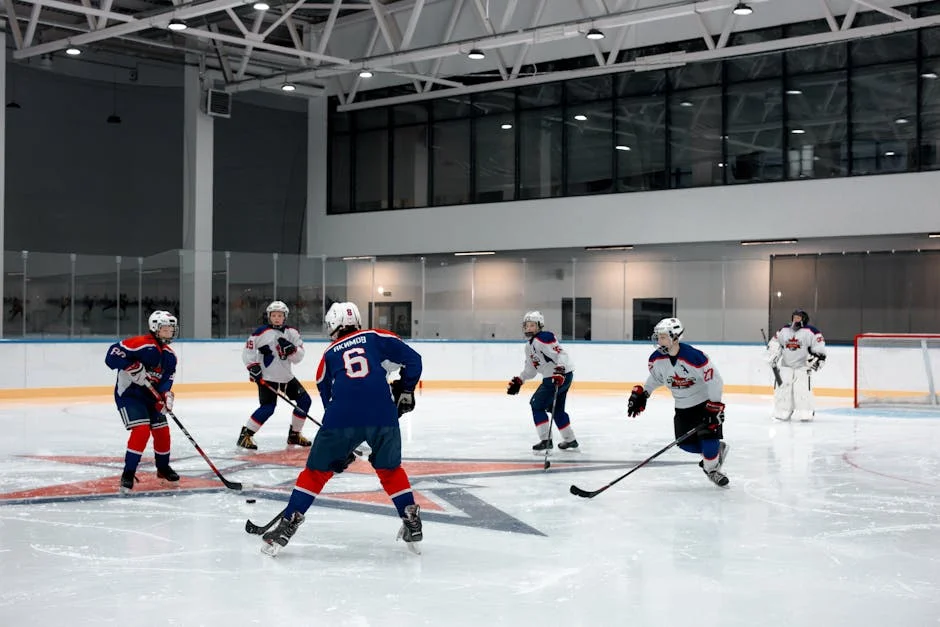
The 2026 playoff match, where the Boston Bruins faced the New York Rangers, demonstrated the endurance required under these rules. The game went into five extra periods, concluding with the Bruins securing victory. The extended play highlighted the physical and mental toll on players, raising questions about the fairness and sustainability of the current format.
Why the Overtime Rules Matter
The NHL playoff overtime rules are crucial because they impact the game's outcome and the teams' strategies. Long overtimes can lead to player fatigue, increasing the risk of injury and affecting performance in subsequent games. This concern is particularly significant given the rigorous schedule of the NHL playoffs.
Moreover, lengthy games can influence fan engagement. While some fans appreciate the drama and excitement of extended play, others argue that excessively long games can diminish viewership and the overall fan experience. The league must balance maintaining tradition with addressing these practical concerns.
Potential Changes and Reactions
Following the Boston marathon game, discussions have emerged within the NHL community about potential rule changes. Some suggest adopting a format similar to international play, where multiple overtime periods are followed by a shootout if no goal is scored. Others advocate for maintaining the current system, emphasizing the unique excitement it brings to the playoffs.
NHL Commissioner Gary Bettman has noted that while changes are not imminent, the league is open to considering adjustments if they benefit the sport's integrity and fan engagement. The league is likely to conduct surveys and discussions with players, coaches, and stakeholders before making any decisions.
What's Next for the NHL?
As the NHL prepares for future seasons, the debate over playoff overtime rules will likely continue. The league may announce consultations or discussions with team representatives and player unions to explore possible adjustments. Fans and analysts will watch closely to see if these discussions lead to any tangible changes.
Looking ahead, any potential modifications to the overtime rules would not only affect how games are played but also influence the strategic planning of teams and the overall structure of the playoffs. Whether changes are made or not, the conversation around these rules will remain a focal point in the NHL's evolution.
See Also
- Busch Light Apple Returns With New Flavor Launch in 2024
- Stalin Slams Palaniswami Over Comments on Kalaignar Relationship
The league must balance maintaining tradition with addressing these practical concerns.Potential Changes and ReactionsFollowing the Boston marathon game, discussions have emerged within the NHL community about potential rule changes. Some suggest adopting a format similar to international play, where multiple overtime periods are followed by a shootout if no goal is scored.
What is the latest news about nhl overtime rules spark debate as 2026 playoff game hits record length?
Why does this matter for economy-business?
What are the key facts about nhl overtime rules spark debate as 2026 playoff game hits record length?