The National Weather Service issued widespread advisories on Wednesday as dense morning fog blanketed multiple provinces and states across the United States. Visibility dropped to near-zero levels in several key regions before the sun eventually broke through, creating a stark contrast between the early chill and the midday warmth. This weather pattern has disrupted morning commutes and agricultural activities, prompting officials to monitor conditions closely throughout the week.
Fog Conditions Disrupt Morning Routines
Residents in the Pacific Northwest and the Northeast experienced some of the most significant impacts from the fog. In Portland, Oregon, drivers reported visibility of less than one-fifth of a mile on major highways during the peak commute hours. The National Weather Service confirmed that the fog formed due to a combination of cool overnight temperatures and high humidity levels trapped near the ground. These conditions created a classic radiation fog scenario that is common during seasonal transitions.
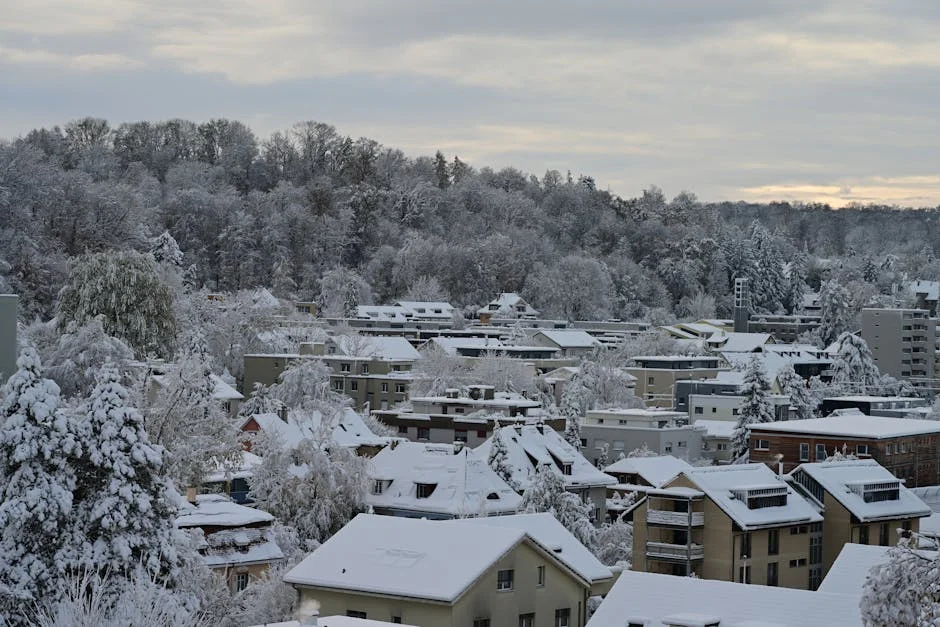
Commuters faced delays as traffic accidents increased on Interstate 5 and Interstate 95. Police departments in Seattle and Boston reported at least twelve minor collisions caused by reduced visibility. The sudden drop in sightlines caught many motorists off guard, especially those who relied on headlights alone. Emergency responders were called to clear multiple lanes before the fog began to lift by late morning.
Agricultural workers also felt the immediate effects of the weather. Farmers in Washington state noted that the fog delayed harvesting operations for early-season crops. The moisture in the air created ideal conditions for fungal growth on certain vegetables. Growers are now assessing the potential yield impact and adjusting their irrigation schedules accordingly. This delay could affect market supply in the coming weeks.
Regional Variations in Fog Density
The intensity of the fog varied significantly from region to region. In the Coastal Plains of North Carolina, the fog was thinner and dissipated more quickly than in the interior valleys of California. Meteorologists attribute this difference to local topography and wind patterns. Coastal areas benefit from steady breezes that help disperse the moisture, while inland basins allow the fog to settle and persist for longer periods.
Urban heat islands also played a role in how quickly the fog cleared in city centers. In Atlanta, Georgia, the concrete and asphalt absorbed solar radiation faster, causing the fog to burn off by 9:00 AM. In contrast, rural areas surrounding the city held onto the mist until midday. This variation highlights the complex interaction between urban development and local microclimates.
Why This Weather Pattern Matters
Understanding the mechanics of morning fog is essential for predicting broader weather trends. The National Weather Service uses these fog events as indicators of atmospheric stability. When fog forms and persists, it often signals a high-pressure system sitting overhead, which can lead to extended periods of sunshine later in the day. This pattern was evident on Wednesday, as the fog gave way to clear skies and rising temperatures.
The transition from fog to sunshine creates a rapid temperature swing that can affect human health. People with respiratory conditions, such as asthma, often experience symptoms during the initial foggy hours. As the sun heats the ground, the air quality can change due to the release of pollutants trapped near the surface. Health departments in affected areas have issued reminders for residents to monitor air quality indexes.
Economically, the fog impacts the transportation sector significantly. Airports in Denver and Chicago reported minor flight delays as planes navigated through the lingering mist. Pilots rely on precise visibility measurements to determine safe landing conditions. Even a small reduction in visibility can trigger holding patterns, which consume fuel and increase costs for airlines. These costs are often passed on to consumers through ticket prices.
National Weather Service Analysis


The National Weather Service released detailed maps showing the extent of the fog coverage. These maps indicated that over forty percent of the contiguous United States experienced fog conditions on Wednesday morning. The service uses satellite imagery and ground-based radar to track the density and movement of the fog banks. This data helps meteorologists provide accurate short-term forecasts for local communities.
Analysts at the service note that this type of weather is becoming more frequent in certain regions. Climate models suggest that changes in precipitation patterns are contributing to higher humidity levels in the spring and fall. These conditions are conducive to the formation of dense fog. The service is updating its predictive algorithms to account for these shifting climate variables.
Public communication strategies are also being refined by the service. Officials are using social media platforms to deliver real-time updates to the public. This approach allows for quicker dissemination of information compared to traditional broadcast methods. The goal is to ensure that residents have access to the latest weather data before they step outside. Effective communication can reduce confusion and enhance safety during unpredictable weather events.
Impact on Daily Life and Travel
Travelers planning trips across state lines need to be aware of these morning conditions. The fog can cause unexpected delays on interstates and highways. Drivers are advised to use low-beam headlights and maintain a safe following distance. Sudden braking by vehicles ahead can lead to chain-reaction collisions in low-visibility environments. These precautions are simple but effective in reducing the risk of accidents.
School districts in affected areas have also adjusted their bus schedules. In some cases, buses arrived ten minutes later than usual to allow drivers more time to navigate the fog. Parents were notified via email and text message to ensure students were ready for the slight shift in timing. This coordination helps minimize stress for families and ensures a smoother start to the school day.
Outdoor events scheduled for early morning were also impacted. A popular marathon in Minneapolis was delayed by an hour due to the fog. Organizers wanted to ensure that runners could see the course markers clearly. The delay allowed the sun to rise higher and burn off the mist, creating better conditions for the athletes. This flexibility in event planning is crucial for maintaining participant satisfaction.
Looking Ahead to Next Week
The National Weather Service predicts that similar fog conditions may persist into next week. A new weather system is expected to move in from the west, bringing more moisture and cooler temperatures. This setup could lead to even denser fog in the Pacific Northwest and the Great Lakes region. Residents should prepare for potential travel disruptions and check local forecasts daily.
Authorities are monitoring the situation closely to issue timely advisories. The next major weather update will be released on Friday evening. This update will provide a detailed breakdown of the weekend's conditions, including temperature ranges and precipitation chances. Staying informed will help individuals and businesses plan effectively for the upcoming days. Watch for specific alerts from your local weather office to ensure you are ready for any changes.
See Also
- Nigerian Army Kills Two Terrorists, Rescues Four in Borno Raid
- Polanski Slams London Council Tax Over Houseboat Dispute
National Weather Service Analysis The National Weather Service released detailed maps showing the extent of the fog coverage. These maps indicated that over forty percent of the contiguous United States experienced fog conditions on Wednesday morning.