The African National Congress (ANC) has formalized an alliance with the South African Communist Party (SACP), marking a pivotal shift in South Africa's political landscape. This development could have far-reaching implications, including potential impacts on South Africa's relations with the United States. This alliance was announced in Johannesburg on October 15, 2023, following weeks of negotiations between the two parties.
Background on the Alliance
The ANC, South Africa's ruling party, has long been a dominant force in the nation's politics. However, recent challenges, including declining voter support and internal divisions, have prompted the party to seek stronger alliances. The SACP, which has historically supported the ANC, is seen as a strategic partner that can help bolster the ruling party's influence.
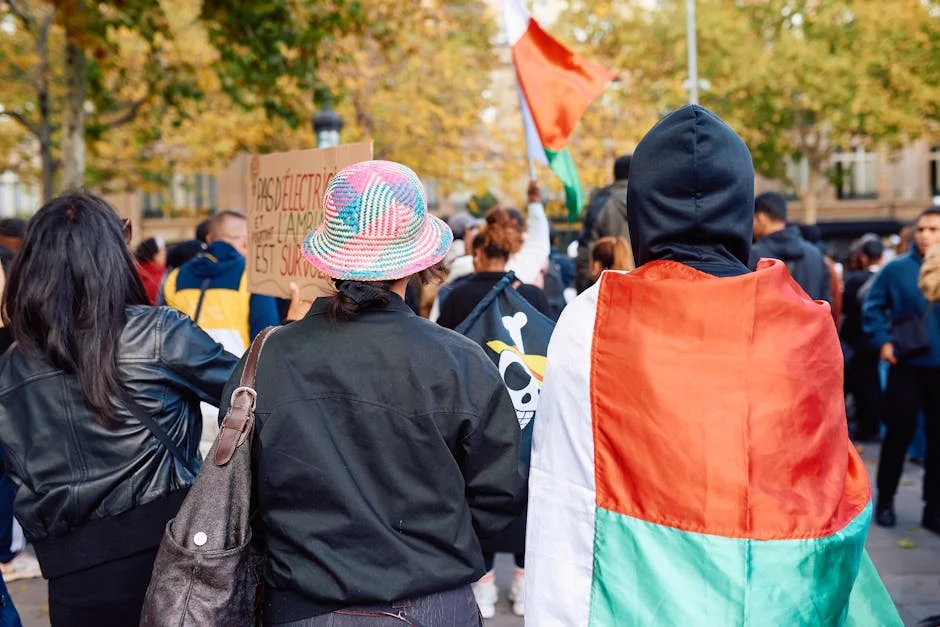
Historically, the ANC and SACP have shared ideological roots, both stemming from anti-apartheid movements. However, this formal alliance signals a renewed commitment to collaborative governance. The alliance agreement outlines joint policy initiatives aimed at addressing economic inequality and social justice, key issues in South Africa.
Potential Implications for US Relations
The ANC-SACP alliance could influence South Africa's foreign policy, particularly its relations with the United States. The SACP's leftist stance may lead to a shift in South Africa's diplomatic priorities, potentially affecting trade agreements and international collaborations.
The United States, which is a significant trade partner of South Africa, may need to reassess its diplomatic strategies. Political analysts suggest that the alliance could lead to more protectionist economic policies, which may not align with the current trade agreements between the two nations.
Economic and Political Repercussions


Economically, the alliance seeks to address pressing issues such as unemployment and economic inequality. South Africa's unemployment rate, which stood at 32.6% in the second quarter of 2023, is a major concern. The ANC and SACP have proposed policies to stimulate job growth and improve economic conditions for marginalized communities.
Politically, the alliance may consolidate power within South Africa, allowing the ANC to implement more cohesive policies. However, critics argue that this could also lead to increased centralization of authority and stifling of political dissent, which might impact democratic processes in the country.
What to Watch Next
Observers will be closely watching the implementation of the alliance's joint policies and their impact on South Africa's socio-economic landscape. The upcoming African Union summit in November 2023 will be a critical opportunity for the ANC-SACP alliance to articulate its foreign policy stance, particularly in relation to the United States.
Additionally, the South African general elections scheduled for 2024 will serve as a litmus test for the alliance's effectiveness in addressing the nation's challenges. How voters respond to these developments will provide insight into the future direction of South Africa's politics and its international relationships.
See Also
- Borno Buries Brigadier-General Killed in Terror Attack
- Spice Girls Celebrate Victoria Beckham's 52nd Birthday in London
What is the latest news about anc allies with sacp in political merrygoround implications for the us?
Why does this matter for economy-business?
What are the key facts about anc allies with sacp in political merrygoround implications for the us?