African voices are increasingly influencing global economic and sovereignty discussions, reshaping narratives that have long been dominated by Western perspectives. This shift was highlighted in a recent forum held in Nairobi, Kenya, where key figures from African media outlets discussed the role of African narratives in international policy, particularly focusing on the United States.
The Growing Influence of African Media
At the heart of this development is African Media, an influential consortium of news organisations based in various African countries. It aims to amplify African stories on the global stage. The group is pushing to ensure African perspectives are not only heard but also considered in shaping international policies, including those of the United States.
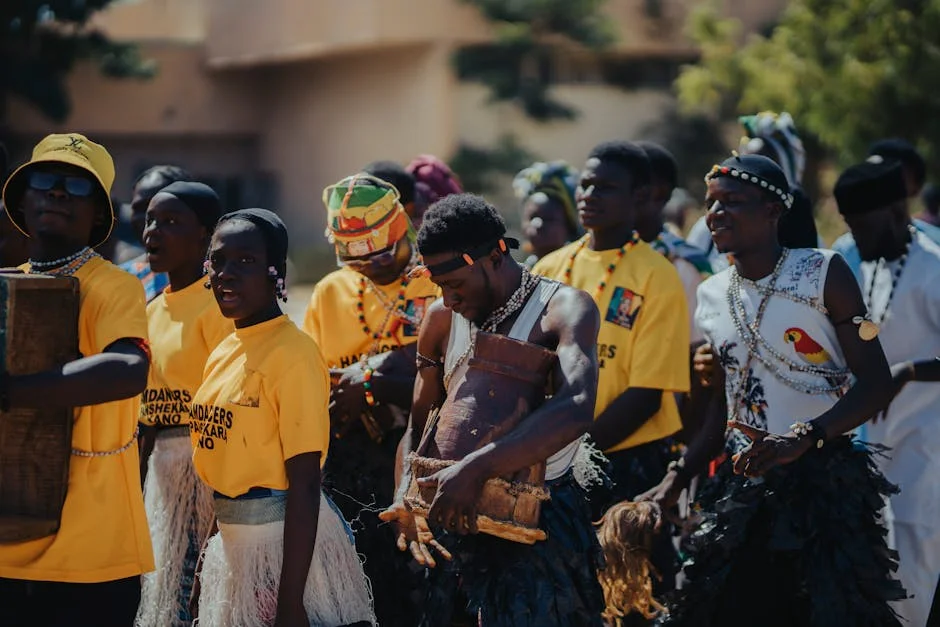
According to a report from the African Union, the continent's media market is expected to grow by 15% in 2024, a testament to the increasing demand for content that reflects local voices and issues. This growth is significant as it reflects a shift towards media ownership and control within Africa itself.
Impact on US-Africa Relations
This shift in narrative is not without its implications for US policy. African narratives have begun to impact the way the United States approaches economic and political engagements with African nations. For instance, recent discussions around trade policies and investments have seen an increased focus on addressing Africa's own priorities and perspectives.
Patricia Scotland, Secretary-General of the Commonwealth, noted during the forum that recognising and integrating African viewpoints is crucial for any meaningful partnership. "It is essential that Africa's voice is part of the global conversation, especially in forums that have traditionally overlooked them," she stated.
Challenges and Opportunities


While the rise of African media presents opportunities for more balanced global reporting, it also faces challenges. Resource constraints and limited access to international networks can hinder the ability to disseminate these narratives widely. Additionally, there is the ongoing challenge of overcoming stereotypes and biases that have persisted for decades.
However, the opportunities are immense. By focusing on local stories and contexts, African media can offer a unique perspective on global issues, from climate change to economic development, that often go underreported in Western media.
What to Watch
As African narratives continue to gain traction, observers are keenly watching how this will affect upcoming US-Africa summits and economic forums. With the next major African Union summit scheduled for mid-2024, it will be important to see how these narratives shape policy discussions and agreements.
The continued expansion of African media will likely play a crucial role in shaping not just local but also global perspectives, potentially altering the power dynamics in international relations and economic policies.