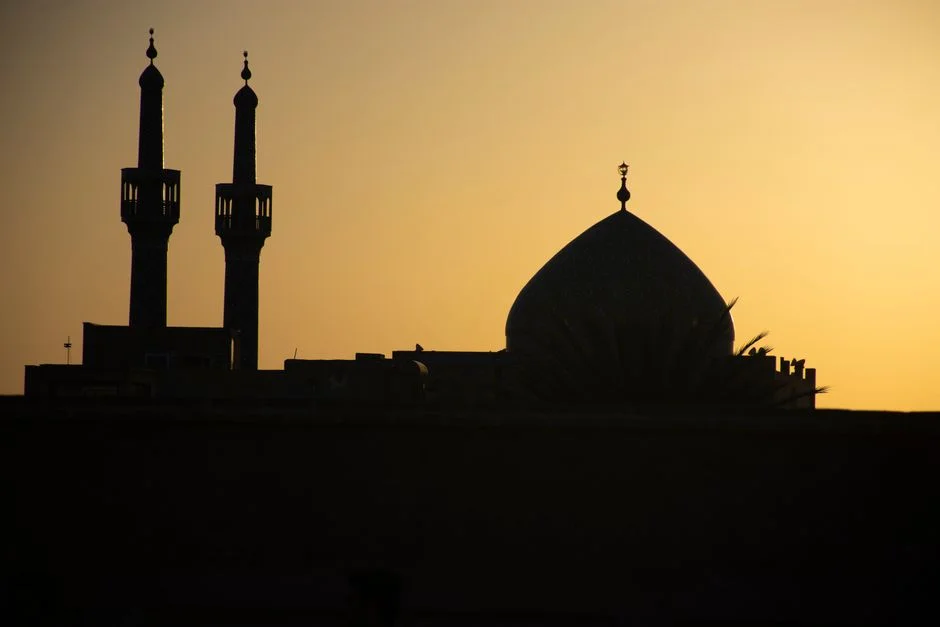
Iran has declared it is "impossible" to reopen the Strait of Hormuz following what it calls "flagrant" breaches of the ceasefire agreement, raising fears of a major escalation in regional tensions. The statement, made by the Iranian Ministry of Foreign Affairs, comes amid heightened concerns over the security of one of the world's most critical maritime trade routes. The strait, which connects the Persian Gulf to the Gulf of Oman, sees around 20% of global oil shipments pass through daily, making its closure a major economic and geopolitical concern.
Iran Accuses US of Breaking Ceasefire Terms
The Iranian government has accused the United States of violating the terms of the ceasefire, which was brokered under the Trump administration. "The United States has repeatedly violated the agreement, and this has made it impossible to resume normal operations in the Strait of Hormuz," said Foreign Minister Hossein Amir-Abdollahian in a recent statement. The ministry did not specify which actions it considers breaches, but regional analysts suggest that continued U.S. military presence and sanctions against Iranian entities are at the heart of the dispute.
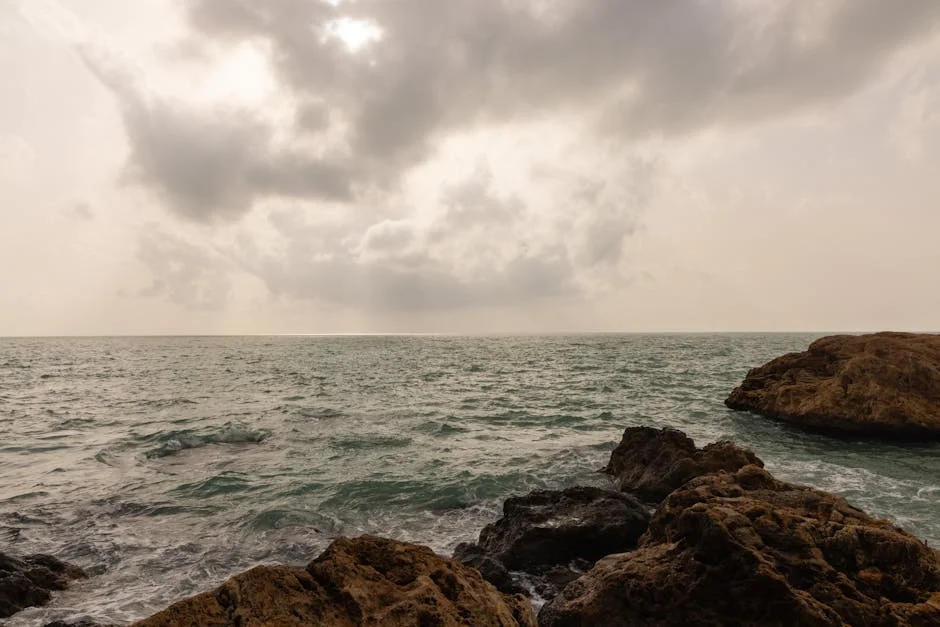
Under the Trump ceasefire, the U.S. and Iran agreed to a de-escalation of hostilities in the region, including a reduction in military activities. However, the agreement has been criticized for lacking enforceable mechanisms and for not addressing the underlying issues between the two nations. The current tensions are seen by many as a direct consequence of the deal's perceived weakness.
Impact on Global Oil Markets and Regional Stability
The Strait of Hormuz is a vital artery for global trade, with over 17 million barrels of oil passing through it daily. Any prolonged closure could send shockwaves through the global energy market, potentially causing oil prices to spike. In 2019, a similar incident led to a 3% jump in Brent crude prices within days. Analysts warn that the current situation is even more volatile due to the uncertainty surrounding the U.S.-Iran relationship and the lack of a clear resolution.
Regional stability is also at risk. The Strait of Hormuz is bordered by Iran and the United Arab Emirates, with the latter being a key U.S. ally. Any military confrontation in the area could draw in other regional powers, including Saudi Arabia and Israel. The U.S. has deployed additional naval assets to the region, signaling its intent to maintain freedom of navigation, but this has only fueled concerns of a broader conflict.
U.S. Response and Diplomatic Efforts


The U.S. State Department has yet to issue an official response to Iran's latest statement, but it has consistently maintained that it will not tolerate disruptions to the free flow of commerce through the strait. "The U.S. remains committed to ensuring the security of vital sea lanes and will take all necessary measures to protect our interests," a spokesperson said in a recent statement.
Diplomatic efforts are ongoing, with the United Nations and regional organizations calling for de-escalation. However, with the Trump ceasefire seen as a failed experiment by many, there is little confidence that a new agreement can be reached quickly. "The lack of trust between the U.S. and Iran makes any diplomatic solution extremely difficult," said Dr. Emily Carter, a Middle East analyst at the Brookings Institution.
What’s Next for the Strait of Hormuz?
Regional experts predict that the situation will remain tense in the coming weeks. The U.S. is expected to continue its naval presence in the area, while Iran has indicated it may take further steps to assert control. The International Maritime Organization (IMO) is also monitoring the situation closely, with a meeting scheduled for early next month to discuss possible measures to prevent further escalation.
For now, the focus remains on preventing a full-blown crisis. The stakes are high, with the potential for economic disruption and military conflict. As tensions continue to mount, the world is watching closely to see whether diplomacy can prevail or if the Strait of Hormuz will remain closed for the foreseeable future.
See Also
- Kenya Charges Suspects in Scot's Murder with New Attack on American
- Former Kaizer Chiefs Star Earned R19m Annually in Peak Years
Analysts warn that the current situation is even more volatile due to the uncertainty surrounding the U.S.-Iran relationship and the lack of a clear resolution. The Strait of Hormuz is bordered by Iran and the United Arab Emirates, with the latter being a key U.S.