The United States Navy has launched a major shipping operation in the Strait of Hormuz, prompting Iran to threaten immediate military action against American vessels. This escalation marks a critical juncture in Middle Eastern geopolitics, with the world’s most vital oil chokepoint suddenly becoming a potential battlefield. The move signals a shift from diplomatic maneuvering to tangible naval presence, raising fears of a sudden spark that could ignite a broader regional conflict.
Escalation in the World’s Key Oil Chokepoint
The Strait of Hormuz is a narrow waterway connecting the Persian Gulf to the Gulf of Oman and the Arabian Sea. It serves as the primary maritime corridor for oil exports from the Persian Gulf region. Approximately twenty percent of the world’s total oil consumption passes through this strategic bottleneck daily. Any disruption in this corridor sends immediate shockwaves through global energy markets, affecting everything from gasoline prices in Texas to industrial output in Shanghai.
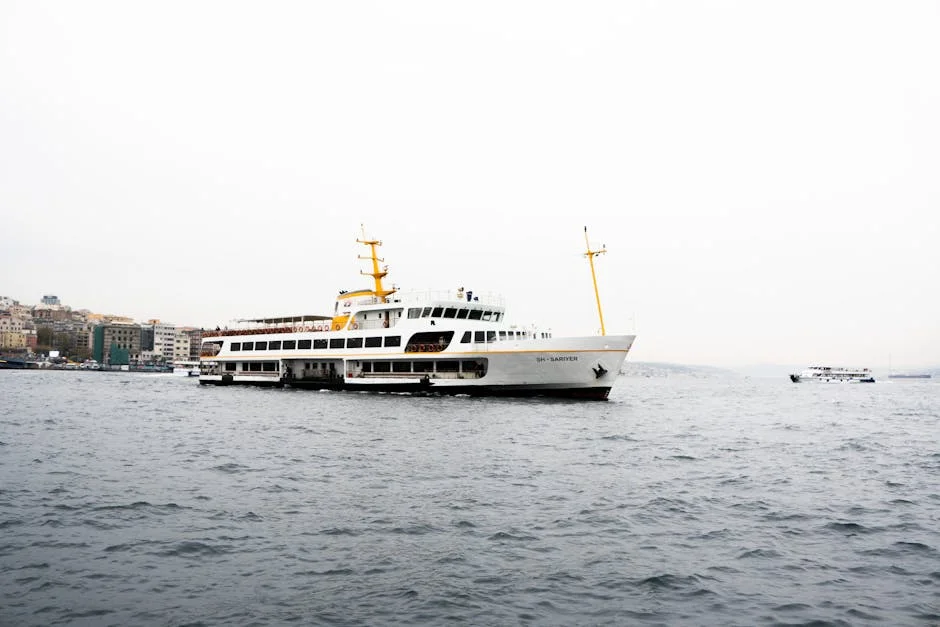
Iran has long viewed the Strait as its natural front door and a key lever of economic and military influence. The Iranian Navy and the Islamic Revolutionary Guard Corps (IRGC) have frequently used the waterway to project power, often employing a mix of frigates, corvettes, and fast attack craft. The recent US deployment is designed to reassure allies and secure the flow of energy, but Tehran interprets it as an encroachment on its sovereign waters. This tension is not new, but the scale of the current US operation suggests a heightened state of readiness.
The geopolitical stakes are enormous. The United States has positioned several aircraft carriers and destroyer squadrons in the area. These assets are capable of projecting air and naval power with remarkable speed. Iran, in response, has mobilized its own naval forces and has begun to activate its fleet of missile-armed corvettes. The proximity of these two naval powers creates a high-risk environment where a single miscommunication or minor incident could trigger a cascade of retaliatory strikes.
Iran’s Strategic Response and Military Posture
Naval Mobilization and Tactical Threats
Iran’s response to the US presence is multifaceted, relying on both conventional naval strength and asymmetric warfare tactics. The Iranian Navy has increased its patrol frequency, with vessels often navigating within visual range of American ships. This tactic is designed to test US resolve and demonstrate Iran’s willingness to engage. The IRGC Navy, known for its agility and use of small, fast boats, has also intensified its operations. These boats are equipped with missiles and machine guns, making them formidable opponents in the confined waters of the strait.
In addition to surface vessels, Iran is leveraging its submarine fleet and mine-laying capabilities. The threat of naval mines is particularly potent in the Strait of Hormuz, where the water is relatively shallow and the traffic is dense. A single mine strike on a large supertanker could cause a spill that would take weeks to clean up, potentially halting traffic for days. Iran has also hinted at the potential use of its ballistic missiles, which target key US bases in the Persian Gulf region. This layered defense strategy aims to make the cost of holding the strait too high for the United States.
The Iranian leadership has not been shy in their rhetoric. Officials have warned that any US vessel entering what they consider Iranian territorial waters could be subjected to fire. This verbal escalation is accompanied by concrete military movements. The deployment of additional F-14 Tomcat fighters and F-16s from bases near Abadan adds an aerial dimension to the standoff. These aircraft provide air cover for the naval forces and serve as a quick-strike option against any US amphibious or aerial incursions.
Global Economic Implications and Market Reactions


The economic ramifications of a conflict in the Strait of Hormuz are profound. Oil prices are highly sensitive to news from the region, and the current standoff has already caused volatility in global markets. Traders are watching the movement of supertankers and the deployment of naval assets with intense scrutiny. A sudden spike in oil prices could trigger inflationary pressures worldwide, affecting consumers and businesses in both developed and emerging economies. The International Energy Agency has noted that a prolonged disruption could see crude oil prices surge significantly, potentially exceeding key psychological benchmarks.
Major oil-exporting nations in the Persian Gulf are also bracing for potential disruptions. Countries like Saudi Arabia, the United Arab Emirates, and Kuwait rely heavily on the Strait for their oil exports. Any interruption in the flow of oil would impact their revenue streams and economic stability. These nations are coordinating with the United States to ensure the safety of their shipping lanes. However, they are also mindful of not provoking Iran unnecessarily, as they seek a balance between security and diplomatic flexibility. The economic interdependence of the region adds a layer of complexity to the military standoff.
Global energy markets are already reacting to the heightened tensions. Futures prices for Brent Crude and West Texas Intermediate have shown increased volatility. Analysts are closely monitoring the daily shipping data and any reports of naval encounters. The potential for a supply shock has led to increased hedging by oil companies and national oil funds. This market reaction underscores the critical importance of the Strait of Hormuz to the global economy. The uncertainty surrounding the situation is likely to persist until a clearer diplomatic or military resolution emerges.
Diplomatic Efforts and Regional Alliances
While military posturing dominates the headlines, diplomatic channels remain active. The United States is working with its regional allies to present a united front. Meetings between diplomats from Washington, Riyadh, Abu Dhabi, and Tehran are ongoing, though progress has been slow. The goal is to de-escalate tensions and establish rules of engagement that prevent accidental conflict. However, deep-seated mistrust between the two main actors complicates these efforts. The Iranian leadership often views US diplomatic overtures with skepticism, suspecting hidden agendas or temporary truces before a larger strike.
Regional alliances are also playing a crucial role. The United Arab Emirates and Saudi Arabia are key partners in the US-led naval operation. These countries provide logistical support and intelligence sharing, enhancing the effectiveness of the American presence. Iran, on the other hand, relies on its alliances with Iraq’s Shia militias and Hezbollah in Lebanon. These allies can apply pressure on US forces from multiple directions, stretching American military resources. The involvement of these regional powers means that a conflict in the Strait could quickly spill over into neighboring countries, creating a wider regional war.
The role of international organizations like the United Nations is also being examined. The UN has called for calm and restraint from both sides, urging them to engage in direct dialogue. However, the effectiveness of UN resolutions in the Middle East is often limited by the veto power of permanent Security Council members. The United States, Russia, and China have varying interests in the region, which can lead to gridlock in diplomatic efforts. This lack of a unified international response allows both the US and Iran to pursue their strategic objectives with relative freedom.
Future Outlook and Key Developments to Watch
The situation in the Strait of Hormuz remains fluid and highly sensitive. The next few weeks will be critical in determining whether the current standoff leads to a military clash or a diplomatic breakthrough. Key developments to watch include any direct naval encounters, changes in oil prices, and new diplomatic announcements from Tehran and Washington. The deployment of additional US naval assets or the mobilization of Iranian ground forces could signal a further escalation. Conversely, a series of successful diplomatic talks could lead to a gradual de-escalation. The global community is holding its breath, aware that the stability of the world’s energy supply hangs in the balance.
See Also
- Understanding Global Tourism Trends
- Central Bank of Nigeria Frees Personal Dollar Accounts — Export Regulation Tightens
What is the latest news about us navy deploys to hormuz strait as iran threatens military action?
Why does this matter for economy-business?
What are the key facts about us navy deploys to hormuz strait as iran threatens military action?